The 2026 Consumer: New Values & Spending Habits in the US
Advertisements
The 2026 US consumer is characterized by a significant shift towards purpose-driven purchasing, digital integration, and a demand for transparent, sustainable, and personalized experiences, fundamentally altering traditional spending patterns and brand loyalty.
As we approach the mid-point of the decade, understanding 2026 US consumer trends becomes paramount for businesses and policymakers alike. The landscape of American purchasing power is undergoing a profound transformation, driven by a confluence of technological advancements, evolving societal values, and unprecedented global events.
the digital native’s ascendancy: reshaping retail and expectations
The rise of digital natives, coupled with the accelerating pace of technological innovation, has fundamentally reshaped how consumers interact with brands and make purchasing decisions. By 2026, the lines between online and offline shopping experiences will have blurred even further, demanding seamless integration and personalized journeys.
This demographic, having grown up with the internet and mobile devices, expects instant gratification, hyper-personalization, and a brand presence that is both authentic and accessible across multiple platforms. Their influence extends beyond their own spending power, often dictating trends and setting new benchmarks for convenience and engagement.
omnichannel expectations and immersive experiences
Consumers in 2026 will not merely desire an omnichannel experience; they will demand it as a baseline. The journey from discovery to purchase must be fluid, allowing them to shift effortlessly between physical stores, e-commerce sites, social media platforms, and even augmented or virtual reality environments.
- Seamless transitions between devices and channels.
- Personalized recommendations based on past interactions.
- Interactive and immersive product demonstrations.
- Efficient in-store pickup and flexible delivery options.
The expectation is for brands to anticipate their needs and provide relevant information and products at every touchpoint. This means investing heavily in data analytics and artificial intelligence to truly understand individual consumer preferences and predict future behaviors.
In conclusion, the digital native’s influence is pushing brands towards a more integrated, personalized, and immersive retail future. Companies that fail to adapt to these evolving expectations risk being left behind in a rapidly changing marketplace where convenience and connection are king.
purpose-driven purchasing: values over sheer volume
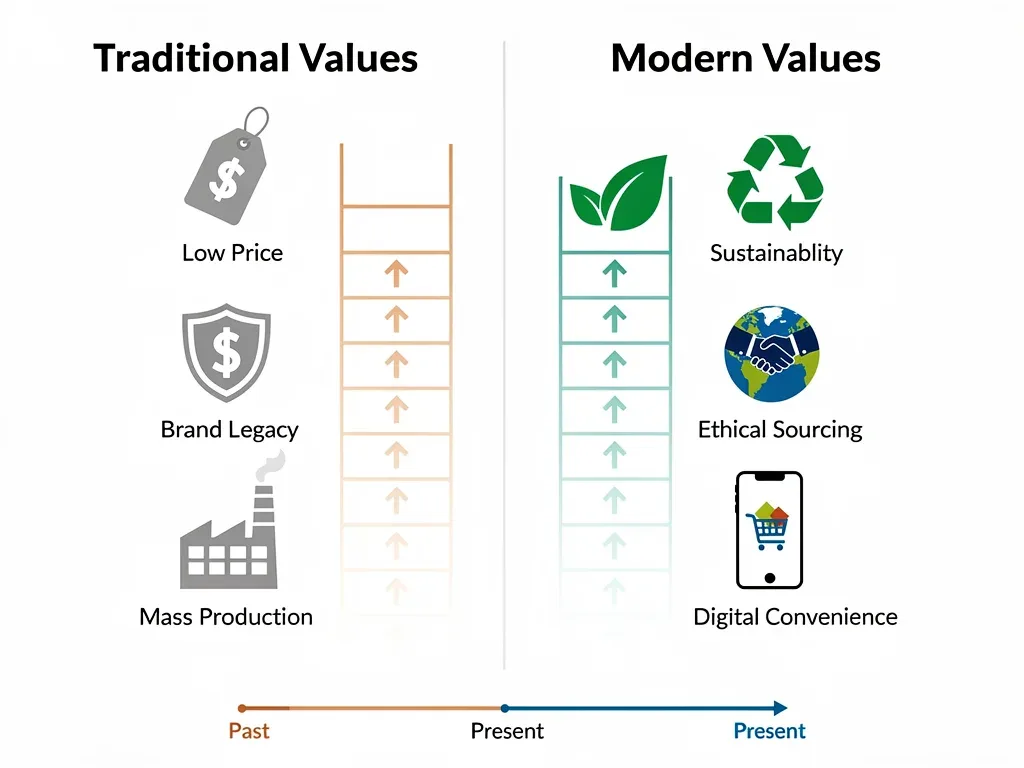
Beyond price and convenience, the 2026 consumer is increasingly driven by a brand’s values and its impact on society and the environment. This shift represents a profound re-evaluation of what constitutes a worthwhile purchase, moving beyond mere transactional exchanges to more meaningful engagements.
Consumers are becoming savvier about corporate practices, demanding transparency, ethical sourcing, and genuine commitment to social and environmental responsibility. Brands that align with these values are likely to gain loyalty and advocacy, while those that do not may face significant backlash and loss of market share.
sustainability and ethical considerations
Sustainability is no longer a niche concern but a mainstream expectation. The 2026 consumer will actively seek out products and services that minimize environmental impact, from production to disposal. This includes everything from sustainable packaging to carbon-neutral supply chains.
Ethical considerations also play a crucial role. Consumers want to know that the products they buy are made under fair labor conditions, without exploitation, and that companies contribute positively to the communities they operate in. This often translates to a willingness to pay a premium for ethically produced goods.
- Preference for eco-friendly and recycled materials.
- Support for brands with transparent supply chains.
- Demand for fair trade and ethical labor practices.
- Interest in companies with strong social impact initiatives.
This focus on purpose extends to personal well-being, with consumers prioritizing products and services that promote health, mental clarity, and overall quality of life. The pandemic significantly accelerated this trend, highlighting the interconnectedness of individual well-being and planetary health.
Ultimately, the 2026 consumer is making purchasing decisions that reflect their personal values, seeking out brands that mirror their commitment to a better world. This necessitates a fundamental shift in corporate strategy, moving beyond profit maximization to a more holistic approach that prioritizes people and planet alongside profit.
the subscription economy: convenience and curated experiences
The proliferation of subscription services across various sectors signifies a fundamental change in how consumers access and consume products and services. By 2026, the subscription economy will be even more ingrained in daily life, offering convenience, curated experiences, and often, better value.
From entertainment and software to groceries and personal care items, consumers are increasingly opting for models that provide recurring access rather than one-off purchases. This trend is driven by a desire for simplicity, predictability, and personalized curation that reduces decision fatigue.
personalization and predictive analytics
Key to the success of subscription models is the ability to personalize offerings based on individual preferences and usage patterns. Advanced analytics and AI will allow companies to anticipate consumer needs, offering highly relevant products and services before the consumer even realizes they need them.
This level of personalization fosters a deeper relationship between the consumer and the brand, moving beyond a transactional exchange to a more ongoing, value-driven partnership. The goal is to create an indispensable service that seamlessly integrates into the consumer’s lifestyle.
- Tailored product selections and recommendations.
- Exclusive access to premium content or features.
- Flexible subscription tiers and easy cancellation options.
- Predictive replenishment of essential goods.
The convenience factor cannot be overstated. Subscriptions eliminate the need for repeated purchasing decisions, ensuring a steady supply of desired goods or continuous access to services. This frees up consumer time and mental energy, which are increasingly valued commodities.
In essence, the 2026 consumer values effortless access and a sense of being understood by the brands they engage with. The subscription model, when executed with a strong focus on personalization and convenience, is perfectly positioned to meet these evolving demands.
the experience economy: valuing moments over material possessions
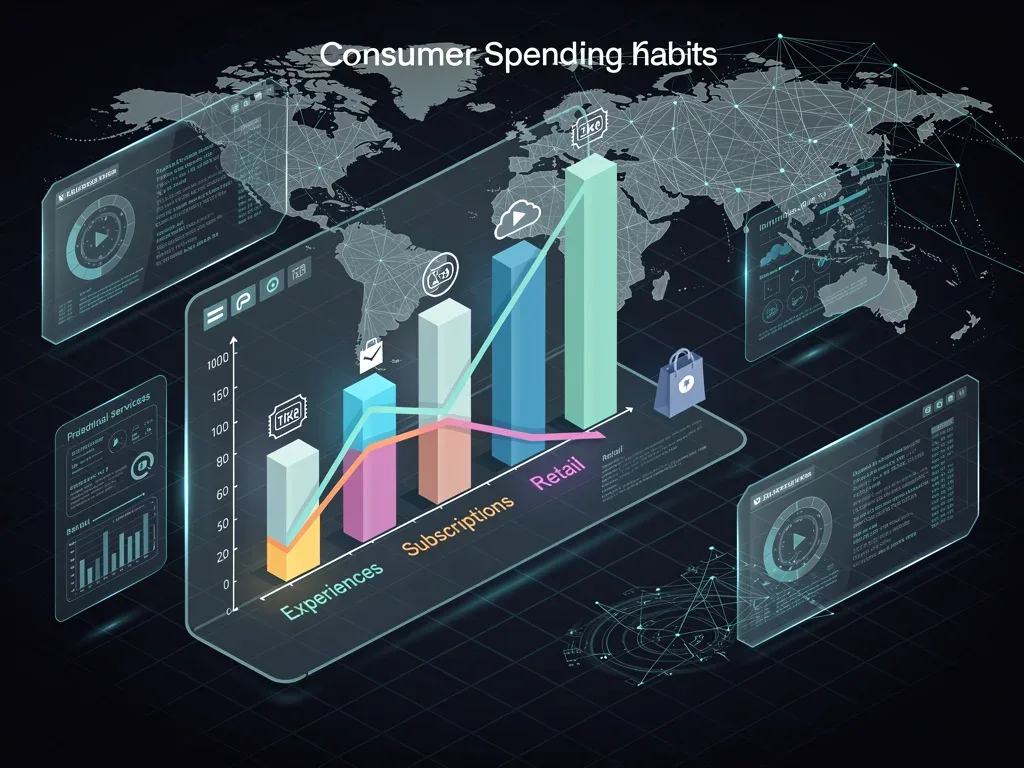
While material possessions will always hold some appeal, the 2026 consumer is increasingly prioritizing experiences over physical goods. This shift reflects a desire for personal growth, memorable moments, and a deeper connection with others, rather than simply accumulating more things.
The pandemic, paradoxically, fueled this trend by limiting opportunities for shared experiences, creating a pent-up demand that is now manifesting in a greater appreciation for travel, events, and unique activities. Consumers are willing to invest significantly in these areas.
authentic connections and transformative journeys
The desire for authentic connections drives interest in experiences that facilitate genuine human interaction and community building. This includes everything from local workshops and cultural events to immersive travel experiences that offer a deeper understanding of different cultures.
Transformative journeys, whether physical or intellectual, are highly valued. Consumers seek experiences that challenge them, help them learn new skills, or provide a fresh perspective on the world. This extends beyond leisure to areas like education and personal development.
- Increased spending on travel and tourism.
- Higher demand for live events and cultural activities.
- Investment in skill-building workshops and courses.
- Preference for unique, personalized experiences over mass-market offerings.
This emphasis on experiences also impacts how consumers view products. Increasingly, products are seen as enablers of experiences rather than ends in themselves. For example, outdoor gear is purchased to facilitate adventure, and smart devices enhance communication and connection.
Ultimately, the 2026 consumer is seeking a richer, more fulfilling life, and they understand that experiences often contribute more to this goal than material accumulation. Businesses that can tap into this desire by offering compelling and authentic experiences will thrive.
health and wellness: a holistic approach to well-being
The focus on health and wellness among US consumers in 2026 is broader and more holistic than ever before. It encompasses not just physical fitness and nutrition, but also mental health, emotional well-being, and even spiritual growth. This comprehensive approach influences a wide array of spending habits.
Consumers are actively seeking out products, services, and technologies that support their overall well-being, often integrating these into their daily routines. This trend is driven by a heightened awareness of self-care and a proactive stance towards health management.
preventative care and personalized solutions
There’s a significant shift towards preventative care, with consumers investing in measures that can ward off illness and maintain optimal health. This includes dietary supplements, fitness trackers, healthy food options, and even proactive genetic testing for personalized health insights.
Personalized solutions are highly valued in the wellness space. Consumers want recommendations and products that are tailored to their unique needs and goals, moving away from one-size-fits-all approaches. This drives demand for customized nutrition plans, bespoke fitness programs, and personalized mental health apps.
- Growth in demand for organic and natural food products.
- Increased adoption of wearable health technology.
- Spending on mental health resources and therapy.
- Investment in sleep optimization products and services.
The integration of technology into wellness is also a key aspect, with apps, smart devices, and virtual platforms playing an increasingly important role in monitoring health metrics, guiding fitness routines, and providing access to professional support. This digital integration makes wellness more accessible and trackable.
In conclusion, the 2026 consumer views health and wellness as an ongoing journey that requires continuous investment and personalized attention. Brands that can authentically support this journey with innovative, evidence-based, and personalized solutions will find a receptive market.
the influence of generation alpha: shaping future market dynamics
While still young, Generation Alpha, born roughly between 2010 and 2024, is already beginning to shape future market dynamics. Their unique upbringing in a fully digital, AI-infused world means their values and expectations will profoundly impact consumer behavior by 2026 and beyond.
As the most technologically fluent generation yet, they are digital natives in the truest sense, influencing family purchasing decisions and setting trends that will define the next wave of consumerism. Understanding their nascent preferences is crucial for long-term strategic planning.
digital fluency and ethical awareness
Generation Alpha is growing up with ubiquitous digital access, making them instinctively comfortable with AI, virtual reality, and interconnected devices. Their expectations for seamless digital experiences will be incredibly high, driving innovation in areas like immersive commerce and personalized learning.
Despite their youth, this generation is also exposed to a world grappling with significant social and environmental challenges. They are likely to inherit and amplify the purpose-driven purchasing trends of older generations, demanding even greater ethical accountability and sustainability from brands.
- High expectations for interactive and engaging digital content.
- Early adoption of emerging technologies like AR/VR.
- Strong preference for brands with clear social and environmental stances.
- Influence on family purchasing, especially in tech and entertainment.
Their spending habits, as they mature, will prioritize experiences, personalized learning, and products that reflect their values. They will be less swayed by traditional advertising and more by authentic peer recommendations and brand transparency.
In summary, Generation Alpha represents the future of consumerism. Their innate digital fluency and developing ethical awareness will compel brands to innovate rapidly, focusing on authentic engagement, technological integration, and genuine social responsibility to capture their loyalty.
economic shifts and consumer resilience: navigating uncertainty
The economic landscape continues to be a significant determinant of consumer behavior, even for the purpose-driven 2026 consumer. Inflationary pressures, interest rate fluctuations, and geopolitical uncertainties all play a role in shaping spending habits and financial priorities across the US.
Consumers are demonstrating increased resilience and adaptability, but also a heightened sense of caution regarding discretionary spending. This necessitates that businesses offer not just value, but also flexibility and transparency in their pricing and service models.
value perception and financial literacy
While purpose and experience are important, value for money remains a core consideration, although the definition of ‘value’ is evolving. It now often encompasses durability, longevity, and a product’s overall utility and impact, rather than just its initial price point.
There’s also a growing emphasis on financial literacy and smart spending. Consumers are more likely to research purchases, compare options, and seek out deals or subscription models that offer predictable costs and long-term savings. Budgeting tools and financial wellness apps are gaining traction.
- Increased focus on product durability and repairability.
- Growth in demand for flexible payment options.
- Preference for brands offering clear pricing and no hidden fees.
- Savvy use of loyalty programs and discount opportunities.
The gig economy and diversified income streams also contribute to a more dynamic financial picture for many consumers. This can lead to more variable spending patterns, with bursts of discretionary spending interspersed with periods of tighter budgeting, requiring brands to be agile in their marketing and sales strategies.
Ultimately, the 2026 consumer, while value-driven, is also economically pragmatic. Brands must demonstrate not only their alignment with consumer values but also their ability to provide tangible value and financial flexibility in an often-unpredictable economic climate.
| Key Trend | Brief Description |
|---|---|
| Digital Integration | Seamless omnichannel experiences and hyper-personalization across all digital touchpoints. |
| Purpose-Driven Buying | Consumers prioritize sustainability, ethics, and social impact in purchasing decisions. |
| Experience Economy | Greater investment in memorable experiences over material possessions, fostering connections. |
| Holistic Wellness | Comprehensive focus on physical, mental, and emotional health driving spending on related products and services. |
Frequently asked questions about the 2026 US consumer
How will technology impact 2026 US consumer spending?▼Technology will profoundly influence spending by enabling hyper-personalized experiences, seamless omnichannel shopping, and the growth of subscription models. AI and data analytics will predict consumer needs, making shopping more intuitive and integrated into daily life. Digital natives will drive demand for immersive and convenient online interactions.
What are the key values driving consumer choices in 2026?▼In 2026, consumers prioritize purpose-driven purchasing, valuing sustainability, ethical sourcing, and social impact. Transparency from brands concerning their practices and contributions to society is crucial. Personal well-being, encompassing mental and physical health, also significantly influences purchasing decisions.
Will the subscription economy continue to grow by 2026?▼Yes, the subscription economy is expected to expand further by 2026. Consumers value the convenience, predictability, and curated experiences offered by subscription services. This model caters to the desire for effortless access to products and services, reducing decision fatigue and fostering brand loyalty through personalization.
How important are experiences compared to material goods for the 2026 consumer?▼Experiences are becoming increasingly important, often outweighing material possessions. The 2026 consumer seeks personal growth, memorable moments, and authentic connections. This translates to higher spending on travel, events, personal development, and products that enable unique, fulfilling experiences, rather than just acquiring more items.
What role does Generation Alpha play in future consumer trends?▼Generation Alpha, as true digital natives, will significantly shape future market dynamics. Their high expectations for seamless digital interactions, combined with an inherent ethical awareness, will drive demand for innovative tech-integrated products and services. They will influence family spending and prioritize brands with authentic social and environmental commitments.
conclusion
The 2026 US consumer represents a dynamic and multifaceted entity, evolving rapidly in response to technological advancements, shifting societal values, and economic realities. Brands and businesses must recognize that success hinges not merely on offering quality products, but on understanding and aligning with these profound changes. From the pervasive influence of digital integration and the compelling pull of purpose-driven purchasing to the growing preference for experiences over possessions and a holistic approach to wellness, the consumer landscape is ripe with opportunities for those willing to adapt. The rise of Generation Alpha further underscores the need for forward-thinking strategies that prioritize authenticity, transparency, and a genuine commitment to creating value beyond the transactional. Navigating this new terrain requires agility, a deep understanding of evolving psychological drivers, and a proactive embrace of innovation to build lasting relationships with a consumer base that is more informed, connected, and conscientious than ever before.