Circular Fashion Rental Subscriptions: 45% Savings for Professional Women
Advertisements
Circular fashion rental subscriptions give consumers temporary access to clothing through recurring plans instead of requiring them to purchase every outfit they wear.
For professionals attending weddings, conferences, dinners or corporate events, rental can provide wardrobe variety without accumulating rarely worn occasion pieces.
Whether the model actually saves money or reduces environmental impact depends on pricing, usage frequency, transportation, cleaning and how rental changes purchasing habits.
How Circular Fashion Rental Subscriptions Work
Fashion rental subscriptions generally charge a recurring monthly fee that allows members to select a defined number of garments from an online inventory.
After wearing the pieces, customers return them according to the platform's process, while the company handles inspection, cleaning and preparation for another user.
Some services also allow subscribers to purchase rented garments they decide to keep, combining temporary access with conventional clothing ownership.
Subscription Rental Versus One-Time Rental
A subscription is designed for repeated use throughout the month, while traditional event rental usually involves selecting individual garments for specific dates.
The subscription model may suit people who regularly need different clothing for work, travel or social events rather than one isolated occasion.
Someone who needs only one formal dress each year may find individual rental or purchasing a versatile garment more economical than continuous membership.
Current Subscription Pricing in the United States
Subscription prices differ substantially between platforms, making the monthly fee one of the first variables consumers should examine before joining.
Rent the Runway currently offers several subscription tiers based primarily on how many shipments a customer can receive during the month.
Nuuly uses a different structure, offering one monthly shipment containing six selected items with options for adding extra pieces at additional cost.
Rent the Runway Plans
Rent the Runway currently lists a five-item, one-shipment monthly plan at $129 after any introductory promotional pricing offered to new customers.
A higher tier costs $164 per month and permits two shipments of five items, while a four-shipment option is priced substantially higher.
The service includes cleaning and allows subscribers to keep items until they are ready to exchange them within the rules of their plan.
Nuuly Pricing
Nuuly currently charges $98 per month before applicable taxes and allows subscribers to choose six items from its available inventory.
The subscription includes standard shipping, returns and laundering, while customers can add bonus items for an additional charge.
Members can also purchase selected rental pieces at the price offered through their account if they decide they want permanent ownership.
Can Fashion Rental Actually Save Money?
Rental can save money when the subscription replaces purchases that would otherwise cost significantly more than the recurring monthly fee.
However, there is no credible universal percentage showing that every professional woman saves exactly 45% by using a fashion subscription.
The financial result depends on how many rented pieces are actually worn and what the subscriber would realistically have purchased without the service.
Calculate Cost Per Wear
A simple way to compare options is to divide the monthly subscription cost by the number of garments actually worn during that billing period.
If a $98 subscription produces six genuinely useful wears, the rental cost averages about $16.33 per item before considering taxes or extras.
If only two pieces are worn while the others remain unused, the practical cost per useful rental becomes much higher.
Compare Rental With Realistic Purchases
The strongest savings comparison uses clothing the person would actually have bought rather than the highest advertised retail value of each rental item.
A designer dress listed at $500 does not create a $500 saving if the customer would normally have purchased a $120 alternative instead.
Using realistic shopping habits produces a more accurate estimate of whether the subscription meaningfully reduces annual wardrobe spending.
Why Event Wear Can Be Well Suited to Rental
Occasion clothing is frequently worn fewer times than everyday basics, making repeated ownership less efficient for some consumers with busy event schedules.
A rental model can increase the number of people who wear the same garment before it leaves active use or requires replacement.
This makes dresses, statement pieces and specialized event outfits particularly relevant when assessing the potential benefits of shared clothing access.
Professional Events Create Repeated Wardrobe Needs
Conferences, dinners, fundraisers, ceremonies and networking events can create pressure to maintain several different levels of professional and formal clothing.
Rental provides access to more variety without requiring each garment to occupy permanent closet space after one or two occasions.
This can be particularly practical for people whose event schedules change frequently or whose workplaces involve regular client-facing functions.
Rental Does Not Automatically Mean Sustainable
Fashion rental is often described as circular because one garment can circulate among multiple users rather than being purchased by one person.
However, environmental research shows that the outcome depends on transportation, cleaning, garment durability and how many purchases rental actually prevents.
Calling every rental transaction sustainable simply because the garment is reused would therefore ignore important parts of its life cycle.
More Wears Can Improve the Equation
The environmental case becomes stronger when rental increases the total number of useful wears a garment receives before leaving circulation.
Research suggests this can be particularly relevant for formal garments that might otherwise be purchased and worn only a few times.
Durable clothing capable of surviving repeated cleaning and transportation is therefore better aligned with a successful rental model than fragile disposable fashion.
Cleaning Can Increase Environmental Impact
Rental garments require cleaning between customers, and the process can involve energy, water and chemical use depending on the method selected.
Some life-cycle research has found that repeated dry cleaning can significantly affect the greenhouse-gas profile of rented clothing.
This means the environmental benefit cannot be evaluated only by counting how many individual customers avoided purchasing the garment.
Shipping Also Matters
Online rental depends on logistics that move clothing from warehouse to customer and back again, sometimes several times during one garment's useful life.
Packaging, delivery distance and transportation method therefore influence whether a rental scenario performs better than conventional ownership.
Consolidated shipments and efficient logistics can improve the equation, while repeated expedited deliveries may increase the associated environmental burden.
Rental Works Best When It Replaces Purchases
The strongest circularity case occurs when a customer rents instead of purchasing another garment that would have been produced and eventually discarded.
If rental is added on top of unchanged shopping habits, total clothing consumption may increase rather than meaningfully replacing ownership.
This behavioral difference is central to understanding why environmental outcomes vary substantially between users of the same rental platform.
The Rebound Effect Can Reduce Benefits
Easy access to rotating clothing can encourage people to experiment with more outfits simply because the marginal effort of trying another piece is low.
If this leads to additional shopping or more frequent shipments, some of the resource savings associated with shared use can be reduced.
A conscious subscriber can limit this effect by treating rental as a substitute for purchases rather than another layer of fashion consumption.
Wardrobe Variety Without Permanent Ownership
One attraction of circular fashion rental subscriptions is the ability to experiment with silhouettes, colors and brands without committing to ownership.
This can be useful when dress codes change between offices, business travel, conferences and evening events within the same month.
Subscribers can also test styles they might hesitate to purchase because the rental period removes some of the long-term commitment.
Professional Clothing Is Not Limited to Formal Dresses
Modern rental inventories include trousers, blazers, tops, knitwear, denim and other garments that can function within everyday work wardrobes.
Nuuly, for example, markets its inventory across party clothing, work looks, premium denim and other categories rather than event dresses alone.
Rent the Runway likewise offers clothing for workdays, weekends and special events across hundreds of brands and designers.
Fit Remains One of the Biggest Challenges
Clothing rental involves choosing garments without always having the same opportunity for alterations or repeated fitting available with owned clothing.
User reviews, measurements and fit information can reduce uncertainty, but sizing differences between designers remain a practical challenge.
A subscription becomes less economical when several items repeatedly arrive but cannot be worn because their fit differs from expectations.
Reviews Can Help With Sizing
Customer reviews may indicate whether a garment runs small, large or true to size based on previous renters' experiences.
Photos and comments from users with similar measurements can provide more practical information than the nominal size printed on the label.
Even so, reviews cannot guarantee fit because body proportions and personal preferences remain different between individuals.
Availability Can Affect the Experience
A large catalog does not mean every desired size, style or date will always be available when a subscriber wants it.
Popular garments can be circulating among other members, making exact planning more complicated for important events with strict dress requirements.
Subscribers should therefore distinguish between browsing a large inventory and having guaranteed access to one particular item at one particular time.
Build Flexibility Into Event Planning
For important events, having several acceptable options can reduce dependence on one dress or suit being available in the correct size.
Neutral accessories and familiar shoes can also make different rental garments easier to incorporate without rebuilding the entire outfit.
People with highly specific dress requirements should compare subscription rental with reservation-based event services that may offer stronger date certainty.
Cleaning and Maintenance Are Part of the Service
A major convenience of subscription rental is that customers generally return garments without handling the professional cleaning process themselves.
Both Rent the Runway and Nuuly currently include cleaning within their service models rather than adding a normal cleaning fee for each returned piece.
This reduces household maintenance but also places responsibility for garment longevity on the rental company's cleaning and repair systems.
Repeated Wear Requires Durable Garments
A rental garment must withstand repeated use, transportation and cleaning if the circular model is expected to extend its practical lifetime.
Seams, closures, fabric quality and repairability therefore become important operational factors even when customers never directly see the maintenance process.
Platforms that repair usable clothing can extend circulation further than models that remove garments after minor signs of wear.
What Happens When You Want to Keep an Item?
Some subscription services allow customers to purchase rented garments rather than returning pieces they decide would be useful long term.
This creates a trial period that can reduce uncertainty about fit, comfort and compatibility before permanent ownership is chosen.
However, buying frequently from a rental subscription can raise total wardrobe spending and weaken the financial argument for temporary access.
Rent-to-Buy Can Prevent Some Mistakes
Wearing a garment before purchase provides information that a fitting room cannot fully reveal about comfort over several hours.
A subscriber may discover that a piece works exceptionally well for commuting, sitting, walking and repeated styling with existing clothes.
Buying only those proven items can be more intentional than purchasing clothing based entirely on first impressions during conventional shopping.
Who Is Most Likely to Benefit?
Fashion subscriptions tend to provide greater practical value to consumers who genuinely use several rented pieces during most billing periods.
People with frequent professional events, changing dress requirements or strong interest in wardrobe variety may receive more value than occasional users.
Those who already own a stable wardrobe and rarely need new clothing may find that even a relatively affordable monthly plan adds unnecessary spending.
Frequent Event Attendees
Someone attending several weddings, conferences, dinners or work events each season may avoid buying multiple outfits with limited future use.
The more often rented garments replace separate purchases, the stronger the financial case for using a subscription as an access model.
However, the subscriber should still compare annual membership spending with what those events would realistically cost using existing clothing.
People Experiencing Temporary Size Changes
Rental may also provide flexibility during periods when permanent wardrobe purchases feel impractical because body size or clothing requirements are changing.
The temporary nature of the service allows access to current sizes without requiring a large replacement wardrobe all at once.
This can be useful in specific circumstances, although personal fit needs and platform inventory still determine whether the model works well.
When Buying May Be the Better Choice
Ownership can remain more economical when the same high-quality garment will be worn repeatedly over several years across many different occasions.
A classic blazer or event dress used frequently may achieve a very low cost per wear without requiring ongoing subscription payments.
The choice between renting and buying should therefore consider expected lifetime wear rather than assuming access is always financially superior.
Wardrobe Staples Usually Favor Repeated Ownership
Basic trousers, shirts, coats and other garments worn every week can justify ownership because their cost is distributed across many uses.
Rental is often more compelling for high-variety or low-frequency categories than for foundational clothing used constantly throughout the year.
A mixed wardrobe combining owned staples with occasional rental can therefore be more practical than treating the two models as competing absolutes.
How to Compare Subscription Value
Before joining, consumers should calculate the annual subscription cost rather than focusing only on the monthly amount shown during registration.
A $98 monthly plan costs $1,176 over twelve months before tax or optional extra items, while higher-priced programs can cost substantially more.
The relevant question is whether those payments replace at least that much realistic clothing expenditure or deliver enough convenience to justify the difference.
Track What You Actually Wear
For several months, record how many rented pieces arrive, how many are worn and which purchases were genuinely avoided because of the service.
This creates a personal cost-per-wear figure that is much more useful than marketing claims based on total retail value accessed.
If utilization remains low, pausing or cancelling the subscription may produce better financial results than continuing simply for access to inventory.
Do Not Treat Retail Value as Savings
Rental platforms often emphasize the high combined retail value of the garments available within a shipment or subscription plan.
That figure describes access value but does not equal actual savings unless the customer would otherwise have purchased those exact products.
Real savings should be measured against likely alternative spending, including using clothing already owned at no additional acquisition cost.
A $1,000 Wardrobe Is Not a $1,000 Saving
Accessing five garments with a combined retail value of $1,000 can feel financially impressive relative to a monthly subscription price.
But if the customer would normally spend only $150 that month, the relevant comparison is much smaller than the inventory's list price.
This distinction helps consumers evaluate subscription economics without confusing theoretical merchandise value with money genuinely retained in their budget.
Does Rental Reduce Textile Waste?
Extending garment use can potentially reduce the need for producing replacement items, which is one objective associated with circular fashion models.
However, direct claims that rental services automatically divert specific amounts of textile waste from landfill require evidence tied to those operations.
The original article incorrectly attributed a broad rental-impact conclusion to an EPA textile report without demonstrating that the agency made that finding.
The EPA Does Not Validate Every Rental Model
Government textile-waste data can help explain the scale of clothing disposal, but it does not prove that every subscription reduces waste.
Environmental performance requires considering garment production, cleaning, transport, packaging, repairs, total wears and final treatment after circulation.
Research designed specifically around rental life cycles provides a more appropriate basis for evaluating those trade-offs than general waste statistics alone.
Circular Fashion Requires More Than Reuse
A garment circulating between several customers reflects one important circular principle because product use is extended beyond one owner's closet.
A stronger circular model can also involve repair, resale, responsible material choices and effective strategies for garments leaving the rental fleet.
Without those additional systems, reuse alone does not address every environmental challenge associated with textile production and disposal.
Repairability Matters
Minor damage does not need to end a garment's useful life when buttons, seams, zippers or other components can be repaired effectively.
Rental companies have a direct financial incentive to keep inventory wearable because repeated rentals distribute acquisition cost across additional uses.
Designing and selecting garments for durability can therefore support both business economics and the environmental logic behind extended product use.
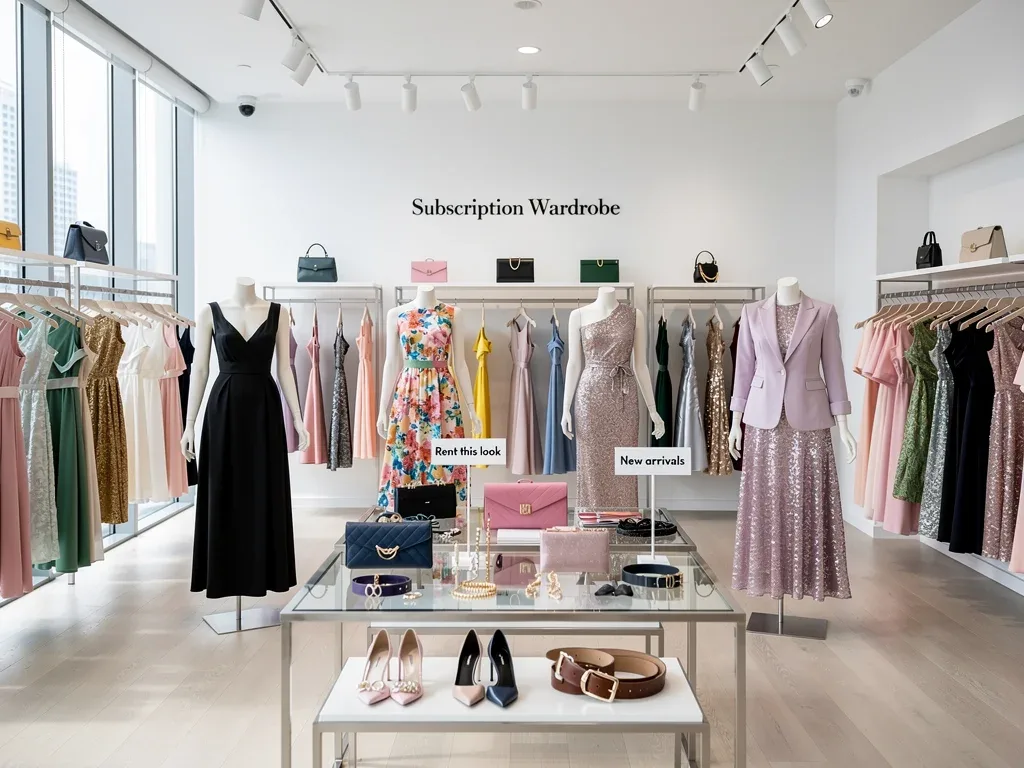
Fashion Rental Is Part of a Broader Consumption Shift
Rental sits alongside resale, repair and traditional ownership as one of several ways consumers can access clothing without relying exclusively on new purchases.
The wider circular economy in fashion involves keeping garments and materials useful for longer instead of treating clothing as quickly disposable.
No single model solves fashion's environmental challenges, making combinations of longer use, reduced purchasing and better production equally important.
Access Can Be More Valuable Than Ownership in Some Categories
Consumers increasingly evaluate whether they need permanent possession of products that may be used only briefly or for specialized occasions.
Event wear provides a clear example because a visually distinctive garment may have limited repeat use within the same social or professional circle.
Rental offers another option, but the value of access depends on circumstances rather than representing a universally superior consumption model.
Professional Wardrobes Are Becoming More Flexible
Modern workplaces cover a wide range of dress expectations, from traditional formal environments to hybrid offices with relatively casual standards.
Business travel, conferences and external meetings can also require clothing outside the employee's usual day-to-day wardrobe.
Rental can fill those temporary gaps without forcing every specialized outfit to become a permanent part of the closet.
Workwear Can Extend Beyond One Dress Code
A single month might require smart-casual clothing, a formal dinner look and relaxed pieces for travel between professional commitments.
Subscription inventories spanning several categories can give users flexibility when their calendar does not follow one consistent workplace uniform.
This broader use case is more accurate than presenting fashion rental exclusively as a service for designer gowns and formal events.
Challenges Consumers Should Consider
Convenience does not eliminate potential drawbacks such as unavailable sizes, inconsistent fit, shipment delays or finding fewer useful items than expected.
Consumers should examine cancellation rules, billing dates and shipment limits before assuming the service will behave like an unlimited shared closet.
Personal experience may also differ substantially according to location, preferred brands, size range and the styles available during each billing cycle.
Inventory Is Shared With Other Subscribers
Popular sizes and seasonal styles can be unavailable because another subscriber is currently using the garment or it is undergoing maintenance.
This shared inventory structure is fundamental to rental economics but can conflict with consumers who need one exact item for a fixed date.
Planning flexibility therefore remains valuable even when the platform offers thousands of garments across many brands and product categories.
How to Use Rental More Intentionally
Rental works best when subscribers choose garments based on upcoming needs rather than filling each shipment merely because items are available.
Planning around the calendar can reduce unused selections and increase the likelihood that every garment replaces another purchase or solves a wardrobe gap.
Tracking utilization also helps identify whether the subscription continues providing value after the novelty of rotating clothing begins to decline.
Build Around Owned Basics
Using rented statement pieces alongside frequently worn owned basics can reduce the need to rent or purchase complete outfits for every occasion.
A familiar pair of shoes, neutral trousers or simple accessories can make several different rental garments easier to integrate into existing outfits.
This hybrid strategy combines the reliability of ownership with the variety of temporary access without requiring one model to handle every clothing need.
Questions to Ask Before Subscribing
Before paying, consumers should compare monthly cost, item allowance, shipping frequency, available brands, sizing and procedures for damaged or late garments.
They should also evaluate whether the platform carries enough clothing suitable for their actual work, event and lifestyle requirements.
A subscription that looks inexpensive can still be poor value when inventory consistently fails to match the member's size or preferred style.
Start With Your Calendar and Budget
Review the next several months and estimate how often you expect to need clothing that cannot reasonably come from your existing wardrobe.
Compare those anticipated purchases or rentals with the subscription's total cost during the same period rather than committing automatically for a year.
Platforms offering pause or cancellation options can make experimentation less costly when users reassess the service after one or two billing cycles.
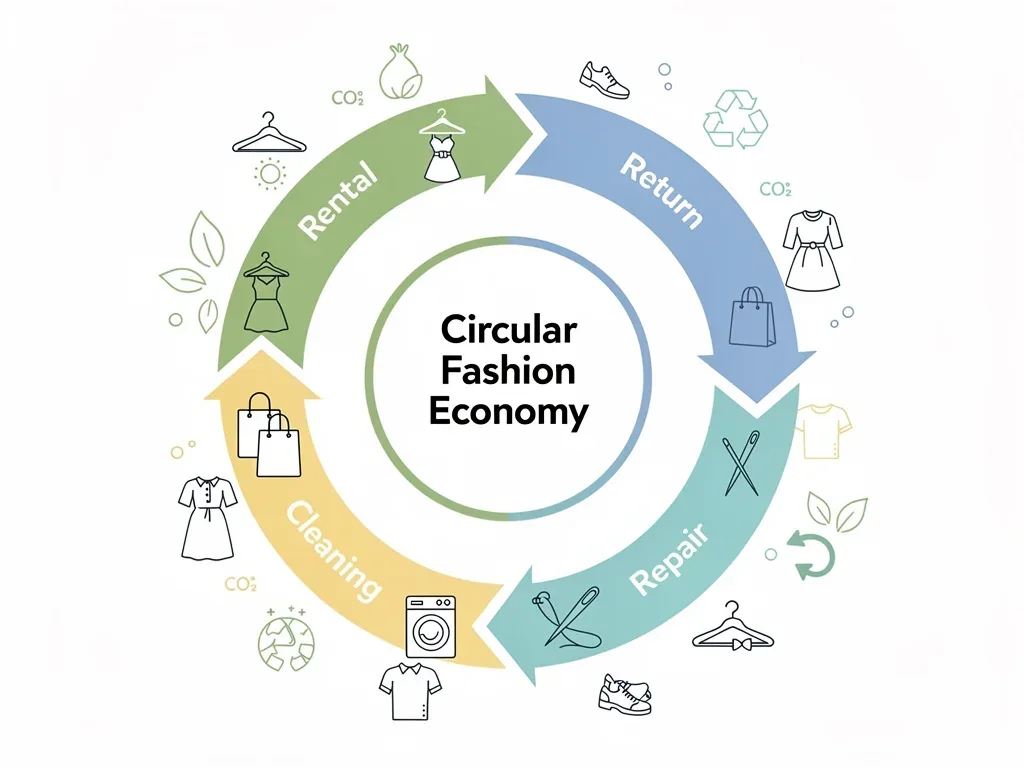
What the Research Actually Supports
Research supports the idea that clothing rental can extend garment use and may reduce impacts under specific consumption and logistics conditions.
It does not support a blanket conclusion that rental is always environmentally superior or automatically saves every subscriber a fixed percentage.
This distinction is important when discussing US apparel consumption trends and the expansion of alternative fashion models.
Formal Clothing Can Be a Strong Rental Case
Life-cycle studies indicate that increasing the number of wears can make rental particularly relevant for garments traditionally used infrequently, including formal dresses.
The benefit becomes weaker when rental creates substantial transportation and cleaning impacts without meaningfully reducing production or consumer purchasing.
That makes occasion wear a promising category while still requiring careful analysis rather than universal sustainability claims.
Key Points for Consumers
Financial savings should be based on real avoided purchases, not the advertised retail value of every garment included in a subscription shipment.
Environmental benefits depend largely on longer garment utilization, efficient logistics, appropriate cleaning and whether rental substitutes for new clothing consumption.
Convenience, wardrobe variety and reduced storage needs may also provide personal value even when they cannot be translated directly into a percentage saving.
A Better Decision Framework
First compare annual subscription cost with realistic clothing spending, then calculate how many rented pieces you expect to wear regularly.
Next evaluate inventory, sizing, delivery and cancellation policies before considering broader sustainability claims made by the provider or fashion industry.
Finally, reassess the subscription periodically because changes in work, events or lifestyle can quickly alter whether rental remains financially useful.
Key Factor | What to Evaluate |
|---|---|
Cost | Compare annual subscription spending with purchases realistically avoided. |
Utilization | Track how many rented garments are actually worn each month. |
Sustainability | Consider garment reuse alongside cleaning, shipping and purchasing behavior. |
Convenience | Evaluate fit, availability, returns and how well inventory matches your lifestyle. |
Flexibility | Check whether the plan can be paused or cancelled when wardrobe needs change. |
Frequently Asked Questions About Fashion Rental Subscriptions
Do fashion rental subscriptions really save 45%?
There is no reliable universal evidence supporting a fixed 45% average saving. Individual savings depend on subscription costs, usage and purchases actually avoided.
How much does Rent the Runway cost?
Current plans begin at $129 per month after promotional pricing, with more expensive tiers offering additional shipments during the month.
How much does Nuuly cost?
Nuuly currently charges $98 per month before applicable tax for six rental items, with optional bonus items available for an additional charge.
Is clothing rental always more sustainable than buying?
No. Environmental performance depends on garment utilization, cleaning, transportation, packaging and whether rental genuinely reduces new clothing purchases.
Is rental best for event clothing?
It can be particularly useful for occasion garments that would otherwise be purchased for only a few wears, but individual economics still vary.
Do rental companies clean the clothing?
Major subscription services such as Rent the Runway and Nuuly include garment cleaning within their current rental processes.
Can I buy an item I rented?
Some services allow members to purchase selected rental items, although prices and availability depend on the individual platform and garment.
Conclusion
Circular fashion rental subscriptions can provide useful wardrobe variety and financial value, particularly when they replace expensive, infrequently worn clothing purchases.
The model can also extend garment use, but transportation, cleaning and consumer behavior mean rental should not automatically be labeled the greener option.
The strongest strategy is to compare actual spending and utilization, using rental when temporary access genuinely performs better than adding another permanent garment.