US Apparel Consumption: Beyond Fast Fashion Trends
Advertisements
The US apparel market is rapidly evolving beyond fast fashion, driven by shifting consumer values towards sustainability, personalization, and technological integration, reshaping purchasing habits and industry strategies for the next decade.
The landscape of US apparel consumption trends is undergoing a profound transformation, moving decisively beyond the conventional fast fashion model. As we peer into the next decade, a complex interplay of consumer priorities, technological advancements, and ethical considerations is set to redefine how Americans shop for and interact with their clothing. This shift isn’t merely a fleeting trend; it represents a fundamental recalibration of values within the industry and among consumers.
The decline of fast fashion and the rise of conscious consumerism
For decades, fast fashion dominated the US apparel market, offering trendy clothes at low prices, encouraging rapid consumption and disposability. However, a growing awareness of its environmental and social costs is now fundamentally altering consumer behavior. The convenience and affordability once associated with fast fashion are increasingly overshadowed by concerns about ethical production, labor practices, and the immense waste generated by the industry.
This shift is giving rise to what is widely known as conscious consumerism. Consumers, particularly younger generations, are not just looking for clothes; they are looking for value that extends beyond price and immediate gratification. They demand transparency from brands, seeking assurance that their purchases align with their personal ethics. This includes understanding where and how garments are made, the materials used, and the overall environmental footprint of a product.
Ethical sourcing and labor practices
The spotlight on ethical sourcing and fair labor practices has intensified, prompting brands to re-evaluate their supply chains. Consumers are increasingly using their purchasing power to support companies that demonstrate a commitment to human rights and fair wages. This pressure is not only coming from advocacy groups but directly from consumers through social media and online reviews, creating a powerful feedback loop that influences corporate responsibility.
- Supply chain transparency: Consumers want to know the journey of their clothes from raw material to retail shelf.
- Fair wages and working conditions: Demand for ethical treatment of garment workers is growing.
- Brand accountability: Companies are expected to take responsibility for their entire production process.
The pursuit of ethical consumption is also influencing how brands communicate. Marketing strategies are shifting from purely aesthetic or price-based appeals to narratives that highlight a brand’s commitment to social good. This authenticity resonates deeply with a demographic that mistrusts traditional advertising and values genuine corporate citizenship. Brands that fail to adapt risk losing significant market share to more ethically aligned competitors.
In conclusion, the decline of fast fashion is not just an industry trend but a reflection of a broader societal shift towards more thoughtful and responsible consumption. This movement, driven by conscious consumerism, is forcing brands to innovate and prioritize ethical and sustainable practices, setting a new standard for the US apparel market in the coming decade.
Sustainability as the new luxury: eco-friendly materials and circularity
In the evolving narrative of US apparel consumption, sustainability is rapidly transitioning from a niche concern to a core expectation, defining a new form of luxury. This isn’t just about avoiding harm; it’s about actively contributing to environmental and social well-being through clothing choices. The demand for eco-friendly materials and circular fashion models is burgeoning, signaling a fundamental change in what consumers value in their wardrobe.
The concept of ‘eco-luxury’ emphasizes not just quality and design, but also the environmental integrity and ethical provenance of a garment. Consumers are increasingly willing to invest in pieces made from organic cotton, recycled polyester, hemp, or innovative bio-based fabrics, viewing these choices as an investment in both personal style and planetary health. This willingness to pay a premium for sustainable products highlights a maturation of consumer values.
The push for circular fashion models
A significant driver of this shift is the growing interest in circular fashion. Moving beyond the linear ‘take-make-dispose’ model, circularity aims to keep resources in use for as long as possible, extracting maximum value from them while in use, and then recovering and regenerating products and materials at the end of their service life. This includes initiatives like clothing rental, repair services, resale platforms, and advanced recycling technologies.
- Rental services: Gaining popularity for special occasions and trend-driven items, reducing individual ownership.
- Repair and upcycling: Extending the lifespan of garments through mending and creative redesign.
- Resale markets: Second-hand fashion platforms are booming, offering affordable and sustainable alternatives.
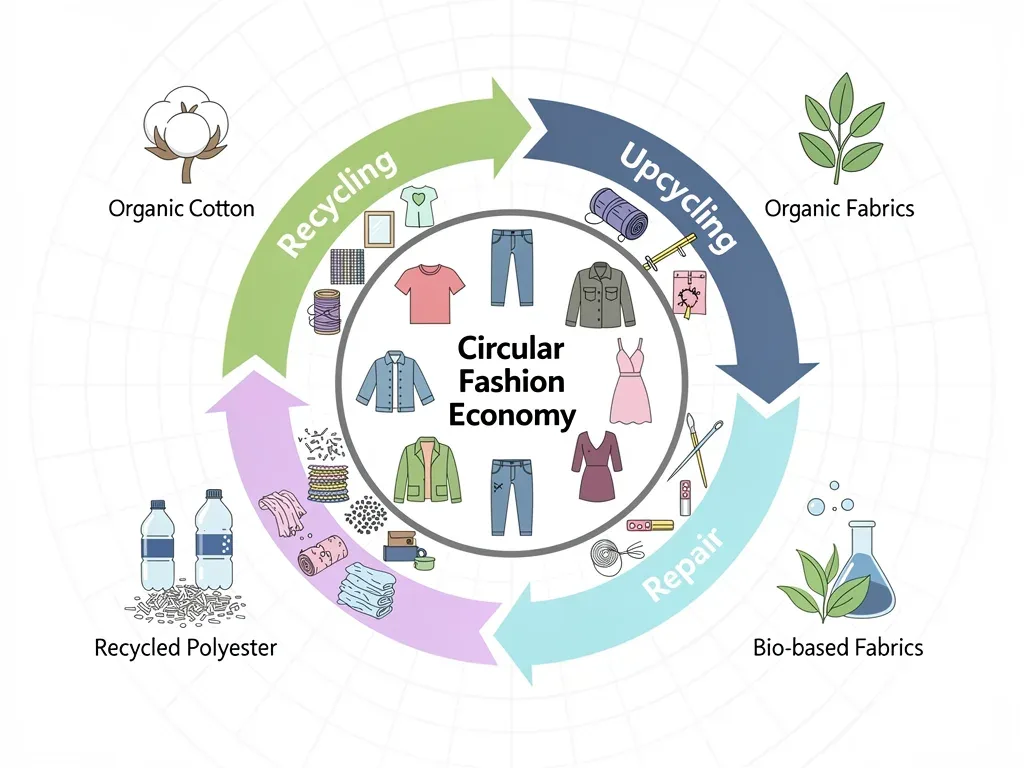
The rise of resale platforms, in particular, has democratized access to sustainable fashion, making pre-owned luxury and everyday wear more accessible. This not only offers economic benefits to consumers but also significantly reduces the environmental impact associated with new production. Brands are also recognizing the potential of these models, with many launching their own take-back programs or collaborating with established resale sites.
Ultimately, sustainability is no longer a marketing buzzword but a strategic imperative that is reshaping product development, supply chain management, and consumer engagement. As the US apparel market evolves, brands that successfully integrate eco-friendly materials and circular economy principles will be best positioned to capture the loyalty of the conscious consumer, defining the next decade’s standard for luxury and value.
The hyper-personalization revolution: AI, data, and custom experiences
The next decade in US apparel consumption will be significantly defined by hyper-personalization, a revolution driven by artificial intelligence (AI), big data, and advanced analytics. Gone are the days of one-size-fits-all marketing; consumers now expect highly tailored experiences that anticipate their needs, reflect their unique style, and offer convenience. This shift is transforming how brands engage with customers, from product discovery to post-purchase support.
AI algorithms are becoming increasingly sophisticated at analyzing vast amounts of consumer data, including browsing history, purchase patterns, social media activity, and even biometric information. This allows retailers to create incredibly precise customer profiles, enabling them to offer personalized recommendations, custom-fit garments, and unique shopping journeys. The goal is to make every interaction feel bespoke, fostering deeper brand loyalty and satisfaction.
Leveraging data for individual style
Data is the new currency in the world of personalized fashion. Retailers are investing heavily in technologies that can collect, process, and interpret this data to create truly individualized offerings. This includes everything from AI-powered styling services that suggest outfits based on personal preferences and body type, to virtual try-on experiences that allow customers to see how clothes look before buying.
- AI-driven recommendations: Suggesting products based on past purchases, browsing, and style quizzes.
- Custom-fit solutions: Using digital measurements and 3D body scanning for perfectly fitting garments.
- Curated shopping experiences: Personalized homepages, emails, and in-store interactions.
The rise of direct-to-consumer (DTC) brands has further accelerated this trend, as they often have a more direct line to customer data and can iterate on personalization strategies more quickly. These brands are setting a new standard for customer expectation, pushing traditional retailers to catch up or risk being left behind in a fiercely competitive market.
In essence, hyper-personalization is about creating a seamless and intuitive shopping experience that feels uniquely crafted for each individual. By harnessing the power of AI and data, apparel brands can move beyond mass marketing to cultivate genuine connections with their customers, ensuring relevance and fostering a sense of belonging in a crowded market. This strategic focus will be paramount for success in the evolving US apparel consumption landscape.
The digital frontier: augmented reality, virtual try-ons, and metaverse fashion
The digital frontier is rapidly reshaping US apparel consumption, with augmented reality (AR), virtual try-ons, and the burgeoning metaverse fashion scene leading the charge. These technologies are breaking down traditional barriers between the physical and digital shopping worlds, offering immersive and interactive experiences that were once confined to science fiction. Consumers are increasingly embracing these innovations, drawn by the convenience, novelty, and enhanced decision-making capabilities they provide.
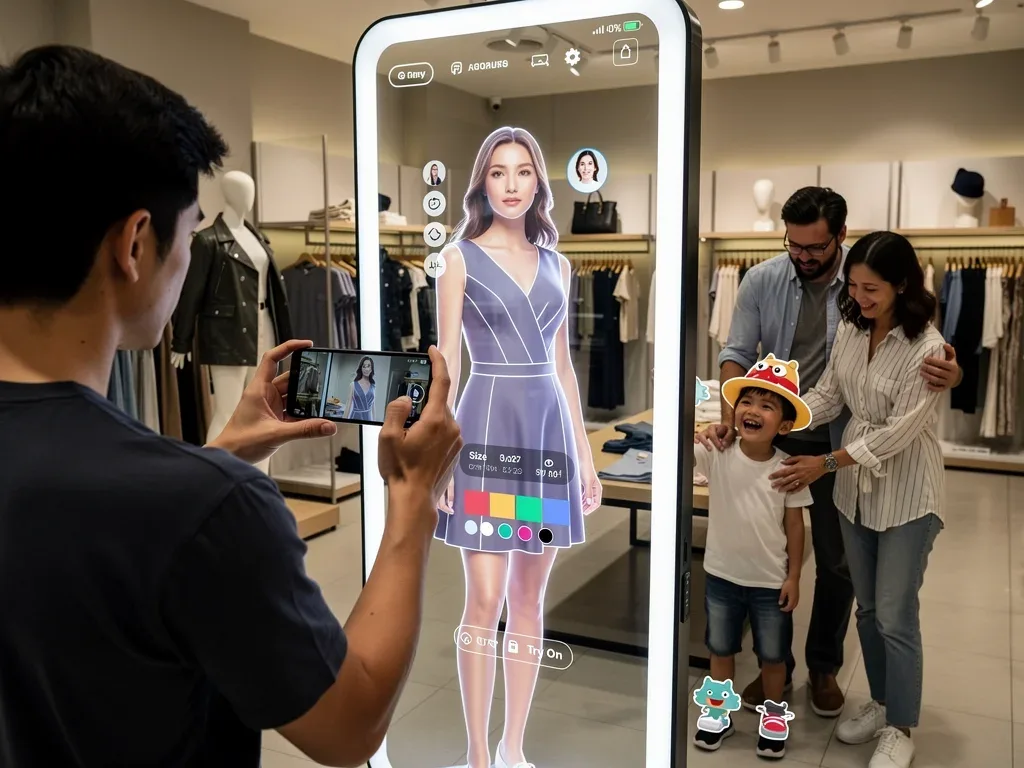
AR technology, in particular, is proving transformative. Shoppers can now use their smartphones to virtually ‘try on’ clothes, seeing how garments would look on their own bodies or in their homes, all without stepping foot in a physical store. This not only reduces the friction associated with online shopping, like uncertainty about fit and appearance, but also minimizes returns, a costly issue for many retailers.
Metaverse and digital fashion
Beyond AR, the concept of metaverse fashion is emerging as a significant, albeit nascent, trend. Digital clothing, skins, and accessories are being created for avatars in virtual worlds and gaming platforms, allowing users to express their style in new, imaginative ways. While currently a niche market, its growth trajectory suggests it could become a substantial segment of apparel consumption, especially as the metaverse becomes more integrated into daily life.
- Virtual try-on apps: Allowing customers to visualize clothes on their bodies using phone cameras.
- AR in-store experiences: Interactive mirrors providing styling suggestions and product information.
- NFT fashion: Unique digital garments and accessories as non-fungible tokens.
The rise of NFTs (Non-Fungible Tokens) in fashion is also blurring the lines between digital and physical ownership. Brands are experimenting with offering digital versions of their physical collections, or even purely digital garments that can be ‘worn’ across various metaverse platforms. This taps into a desire for unique self-expression and ownership in the digital realm, appealing to a tech-savvy demographic.
The digital frontier is not just about novelty; it’s about creating more engaging, efficient, and personalized shopping experiences. As these technologies mature and become more accessible, they will play a pivotal role in defining how consumers discover, try, and purchase apparel in the US, fundamentally altering the retail landscape and fostering new forms of fashion expression.
The influence of social commerce and micro-influencers
Social commerce and the pervasive influence of micro-influencers are set to continue their profound impact on US apparel consumption trends in the coming decade. The traditional shopping journey, once dominated by brand advertisements and physical retail, has been decentralized, with purchasing decisions increasingly swayed by peer recommendations and authentic content shared across social media platforms. This paradigm shift demands a new approach from brands seeking to connect with their target audience.
Social commerce, the act of buying and selling products directly within social media platforms, is evolving rapidly. Features like in-app checkouts, live shopping events, and shoppable posts are making the path from discovery to purchase incredibly seamless. This immediacy capitalizes on impulse buying and reduces the effort required from the consumer, integrating shopping into their daily social interactions.
The power of authentic voices
Micro-influencers, individuals with smaller but highly engaged and niche followings, are proving to be exceptionally effective in driving apparel sales. Unlike mega-influencers, their recommendations often feel more genuine and trustworthy, fostering a stronger sense of connection with their audience. Consumers are more likely to trust a product endorsement from someone who feels like a friend or a relatable peer, rather than a celebrity.
- Authentic product reviews: Micro-influencers offer relatable and trusted opinions on apparel.
- Niche community engagement: Targeting specific fashion subcultures and interest groups effectively.
- Interactive shopping experiences: Live streams and Q&A sessions with influencers driving sales.
Brands are strategically partnering with micro-influencers to tap into these highly engaged communities. These collaborations often involve creating unique content, offering exclusive discounts, or even co-designing products, further blurring the lines between content creation and commerce. The return on investment from these partnerships can often outweigh that of traditional advertising, given the high level of trust and conversion rates.
Furthermore, social media serves as a powerful platform for trend identification and rapid adoption. Viral fashion moments and aesthetic movements often originate and spread through these channels, influencing mainstream apparel choices at an unprecedented pace. Brands that monitor and engage effectively with these social currents can quickly adapt their offerings to meet emerging consumer desires.
In essence, social commerce and micro-influencers are not just marketing tools; they are integral components of the modern apparel consumption ecosystem. Their continued evolution will keep brands on their toes, requiring agile strategies that prioritize authentic engagement and community building to thrive in the next decade of US apparel retail.
The future of retail spaces: experiential, community-driven, and tech-infused
As US apparel consumption evolves, so too must the physical retail spaces that house these transactions. The brick-and-mortar store of the future will be far more than a mere point of sale; it will transform into an experiential hub, a community gathering place, and a tech-infused environment designed to offer unparalleled engagement. This shift is a direct response to the rise of e-commerce and changing consumer expectations, demanding that physical retail offers something truly unique and memorable.
Experiential retail aims to provide customers with an immersive journey, focusing on sensory stimulation, interactive displays, and personalized services. This could involve anything from in-store styling sessions and workshops to pop-up cafes and art installations. The goal is to create a destination that offers entertainment and education, making the act of shopping a pleasurable and enriching experience rather than a transactional chore.
Community building and localized offerings
Beyond experiences, future retail spaces will increasingly foster a sense of community. Brands are looking to create environments where customers feel a sense of belonging, hosting events, and providing spaces for social interaction. This localized approach can strengthen brand loyalty and create a dedicated customer base that views the store as more than just a place to buy clothes, but as a vital part of their lifestyle.
- Interactive workshops: Offering classes on styling, sustainable fashion, or garment care.
- Brand immersion zones: Spaces dedicated to exploring a brand’s story, values, and production process.
- Pop-up collaborations: Hosting local artists, designers, or complementary businesses to create unique events.
Technology will be seamlessly integrated into these spaces, enhancing the customer journey without being overwhelming. Smart mirrors that offer virtual try-ons, RFID tags that provide detailed product information, and personalized recommendations delivered through in-store apps are just a few examples. These technologies serve to bridge the gap between the convenience of online shopping and the tactile experience of physical retail.
Furthermore, the design of these future stores will likely emphasize flexibility and adaptability. Modular layouts, easily reconfigurable displays, and spaces that can transform for different events will be crucial for maintaining relevance and novelty. The physical store, far from becoming obsolete, is reinventing itself as a dynamic, multifaceted entity that complements and enhances the digital shopping experience.
In conclusion, the future of retail spaces in US apparel consumption is bright for those willing to innovate. By prioritizing experience, fostering community, and intelligently integrating technology, physical stores can carve out a distinct and indispensable role in the evolving retail landscape, drawing consumers in with more than just products, but with compelling narratives and engaging environments.
Longevity and investment pieces: a paradigm shift in purchasing habits
The prevailing sentiment in US apparel consumption is gradually shifting towards longevity and investment pieces, marking a significant departure from the disposable nature of fast fashion. Consumers are increasingly valuing durability, timeless design, and versatility over fleeting trends and low prices. This paradigm shift in purchasing habits reflects a more mature and thoughtful approach to building a wardrobe, driven by both economic considerations and a growing awareness of environmental impact.
Instead of constantly buying new items, consumers are now seeking garments that can withstand the test of time, both in terms of quality and style. This often means a willingness to pay more upfront for higher-quality materials and superior craftsmanship, recognizing that these pieces offer better value in the long run. The concept of cost-per-wear is gaining traction, encouraging buyers to consider the overall lifespan of a garment rather than just its initial price tag.
The allure of timeless design and versatility
Timeless design is a key component of this shift. Consumers are gravitating towards classic silhouettes, neutral palettes, and versatile pieces that can be mixed and matched to create numerous outfits. This approach reduces the need for frequent purchases and allows for a more cohesive and adaptable wardrobe, reflecting a desire for simplicity and functionality.
- High-quality materials: Preference for natural fibers and durable synthetic blends that last longer.
- Classic silhouettes: Investing in styles that transcend seasonal trends.
- Versatile wardrobe staples: Pieces that can be dressed up or down for various occasions.
The emphasis on investment pieces also extends to categories like outerwear, footwear, and accessories, where durability and longevity are particularly valued. Consumers are researching brands more thoroughly, looking for transparency in production and a commitment to quality that justifies a higher price point. Customer reviews and expert recommendations play a crucial role in these high-value purchasing decisions.
Furthermore, the rise of capsule wardrobes and minimalist fashion philosophies is influencing these purchasing habits. Many consumers are actively seeking to declutter their closets and curate a smaller collection of well-made, versatile items. This intentional approach to consumption reduces waste, saves money in the long term, and fosters a deeper appreciation for each garment owned.
In summary, the shift towards longevity and investment pieces represents a profound cultural change in US apparel consumption. It signifies a move away from quantity towards quality, from fleeting trends towards enduring style, and from impulsive buying towards thoughtful, sustainable choices. This trend is poised to redefine the composition of American wardrobes and reshape the offerings of the apparel industry for the foreseeable future.
| Key Trend | Brief Description |
|---|---|
| Conscious Consumerism | Consumers prioritize ethical production, sustainability, and transparency over fast fashion. |
| Hyper-Personalization | AI and data-driven experiences offer tailored recommendations and custom-fit apparel. |
| Digital Fashion & AR | Virtual try-ons, metaverse fashion, and AR enhance online and in-store shopping. |
| Longevity & Investment | Shift towards durable, timeless pieces and away from disposable fast fashion. |
Frequently Asked Questions About Future Apparel Trends
How will fast fashion evolve in the next decade in the US?▼
Fast fashion is expected to decline in dominance, with brands either adapting to more sustainable and ethical practices or losing market share. Consumers are increasingly demanding transparency and conscious production, pushing the industry towards slower, more responsible consumption models. Expect a shift towards higher quality and more thoughtful design.
What role will technology play in future apparel shopping experiences?▼
Technology will be central, enhancing personalization and immersion. Augmented reality (AR) for virtual try-ons, AI for tailored recommendations, and the rise of metaverse fashion will redefine how consumers discover, interact with, and purchase clothing both online and in physical stores. Digital experiences will become increasingly seamless.
Are consumers willing to pay more for sustainable apparel?▼
Yes, a growing segment of US consumers, particularly younger generations, are demonstrating a willingness to pay a premium for sustainable and ethically produced apparel. This reflects a shift in values where environmental and social impact are considered as important as price and style. Brands demonstrating genuine commitment will benefit.
How will physical retail stores adapt to these emerging trends?▼
Physical retail will transform into experiential hubs, offering immersive experiences, community events, and seamless technology integration. Stores will become destinations for discovery, engagement, and social interaction, complementing online shopping rather than competing directly. Personalization and unique services will be key differentiators for brick-and-mortar locations.
What is the impact of micro-influencers on apparel consumption?▼
Micro-influencers wield significant power due to their authentic connection with niche audiences. Their recommendations are often perceived as more trustworthy than traditional advertising, driving purchasing decisions within specific communities. Brands will increasingly leverage these partnerships for targeted marketing and genuine consumer engagement, shaping new trends.
Conclusion
The next decade of US apparel consumption is poised for a transformative journey, moving far beyond the era of fast fashion. This evolution is driven by a confluence of powerful forces: the unwavering rise of conscious consumerism, the pervasive integration of advanced technologies, and a fundamental recalibration of consumer values towards longevity and authenticity. Brands that embrace sustainability, hyper-personalization, and innovative digital and physical retail experiences will not only survive but thrive. The future belongs to those who understand that apparel is more than just clothing; it is a statement of values, an expression of identity, and an integral part of a more responsible and connected world.