Home Office Upgrades: Top Ergonomic Tech for U.S. Remote Workers 2026
Advertisements
This article reviews three essential ergonomic tech gadgets poised to revolutionize the U.S. remote work experience in 2026, focusing on comfort, health, and productivity for home office upgrades.
The landscape of remote work continues to evolve rapidly, and as we look towards 2026, optimizing our home office environments for both productivity and well-being is more crucial than ever. This comprehensive review delves into three innovative ergonomic tech gadgets designed specifically for U.S. remote workers, promising to transform your daily grind into a more comfortable and efficient experience.
The Evolving Home Office and Ergonomic Imperatives
The shift to remote work has profoundly reshaped professional life, making the home office a central hub for many. This evolution isn’t just about location; it’s about creating sustainable, healthy, and productive workspaces within our homes. As technology advances, so too does our understanding of how our physical environment impacts our work performance and long-term health. The demand for ergonomic solutions has never been higher, driven by a workforce spending countless hours at their desks.
Ignoring ergonomics can lead to a host of issues, from chronic pain and fatigue to decreased productivity and higher healthcare costs. For U.S. remote workers, who often navigate the blurred lines between personal and professional spaces, investing in ergonomic tech isn’t a luxury but a necessity. The right tools can mitigate the physical strains of prolonged computer use, fostering a healthier work-life balance and enhancing overall job satisfaction. In 2026, the market is brimming with sophisticated gadgets designed to meet these exact needs.
Understanding Ergonomics in the Modern Workspace
Ergonomics is the science of designing and arranging things people use so that the people and things interact most efficiently and safely. In a home office, this translates to optimizing your setup to support natural postures and movements, minimizing strain and maximizing comfort. It’s about more than just a fancy chair; it encompasses everything from your keyboard and mouse to your monitor placement and lighting.
- Posture Support: Ensuring your spine is naturally aligned, reducing pressure on discs and muscles.
- Repetitive Strain Injury (RSI) Prevention: Designing tools that minimize awkward hand and wrist positions.
- Visual Comfort: Reducing eye strain through optimal monitor distance and lighting.
- Dynamic Movement: Encouraging movement throughout the workday to prevent stiffness and improve circulation.
The goal is to create an environment that adapts to you, rather than forcing you to adapt to it. As we explore specific tech gadgets, keep these core principles in mind. They are the foundation upon which effective ergonomic solutions are built, promising a future where working from home is not only productive but also physically sustainable.
Gadget 1: The Adaptive Split Ergonomic Keyboard (2026 Model)
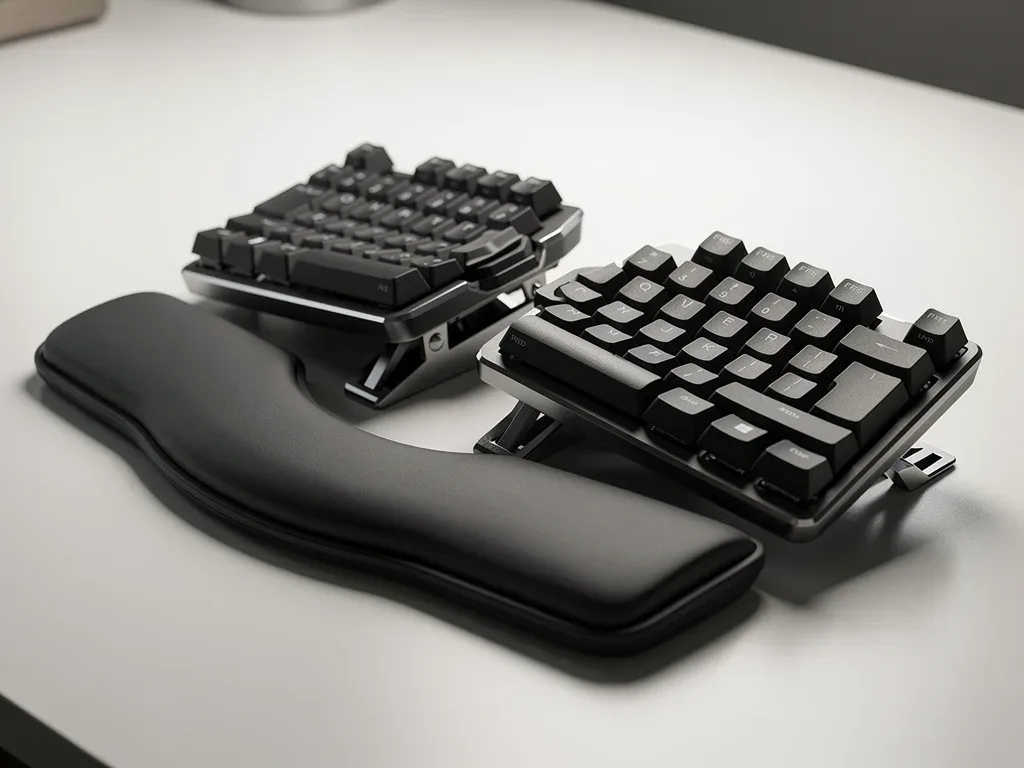
The traditional keyboard, while ubiquitous, is often a primary culprit behind wrist and hand discomfort for many remote workers. The 2026 model of the Adaptive Split Ergonomic Keyboard represents a significant leap forward in addressing these issues. Unlike conventional designs, this gadget features a fully customizable split layout, allowing users to adjust the angle, height, and separation of the two halves to perfectly match their body mechanics. This adaptability is key to reducing ulnar deviation and pronation, common causes of carpal tunnel syndrome and other repetitive strain injuries.
Its advanced design incorporates haptic feedback and silent, low-profile mechanical switches, providing a typing experience that is both responsive and quiet. Connectivity options are robust, featuring multi-device Bluetooth 5.2 and USB-C, ensuring seamless integration with various operating systems and devices. For the discerning U.S. remote worker, this keyboard isn’t just a tool; it’s an investment in long-term hand and wrist health.
Key Features and User Benefits
The 2026 Adaptive Split Ergonomic Keyboard goes beyond basic split designs, offering a suite of features that cater to individual ergonomic needs. Its modular construction allows for unique configurations, which is critical for users with specific physical requirements or preferences. The integrated wrist rests are made from a breathable, pressure-distributing material, further enhancing comfort during extended typing sessions.
- Customizable Split and Tent Angles: Users can fine-tune the keyboard halves to achieve optimal wrist and forearm alignment.
- Programmable Keys and Macros: Enhances workflow efficiency by allowing personalized shortcuts for frequently used commands.
- Dynamic Backlighting: Adjustable lighting with smart sensors that adapt to ambient light, reducing eye strain in varying conditions.
- Integrated Smart Hub: Features USB passthrough and a small OLED display for quick access to system information or custom shortcuts.
The tactile feedback from its new generation silent mechanical switches provides a satisfying typing experience without the disruptive noise often associated with mechanical keyboards. This makes it ideal for shared home office spaces or late-night work sessions. The intuitive software allows for easy customization of key layouts and macro assignments, ensuring that every user can tailor the device to their exact specifications. This level of personalization is what sets the 2026 model apart from its predecessors.
The benefits extend beyond immediate comfort. By promoting a more natural typing posture, this keyboard helps prevent the development of chronic conditions that can sideline a remote worker. It fosters a more sustainable working habit, allowing for longer periods of focused work without the nagging discomfort that often accompanies traditional setups. For those serious about their long-term health and productivity, this gadget is an indispensable upgrade.
Gadget 2: The AI-Powered Ergonomic Vertical Mouse (Pro 2026 Edition)
Complementing the advanced ergonomic keyboard is the AI-Powered Ergonomic Vertical Mouse, Pro 2026 Edition. Traditional mice often force the hand into an unnatural pronated position, leading to wrist and forearm strain over time. This vertical mouse reorients the hand into a handshake-like grip, promoting a more neutral wrist posture and significantly reducing muscle tension. The 2026 Pro Edition takes this concept further by integrating artificial intelligence to adapt to the user’s unique hand movements and preferences.
Its AI algorithms learn from your usage patterns, subtly adjusting sensitivity and tracking to optimize precision and reduce unnecessary hand movements. This intelligent adaptation ensures a consistently comfortable and efficient user experience. Crafted from sustainable, hypoallergenic materials, its contoured design fits a wide range of hand sizes, providing exceptional comfort for prolonged use. This mouse is a game-changer for anyone looking to alleviate wrist pain and enhance control in their digital workspace.
Advanced Features for Optimized Performance
The Pro 2026 Edition of the AI-Powered Ergonomic Vertical Mouse is packed with features designed to maximize comfort and functionality. Its high-precision optical sensor works flawlessly on virtually any surface, providing smooth and accurate tracking. The intuitive button layout includes programmable buttons that can be customized for specific tasks, further streamlining workflow.
- AI-Driven Adaptive Tracking: Adjusts sensitivity and acceleration based on user input, optimizing precision and reducing fatigue.
- Multi-Device Connectivity: Seamlessly switches between up to three devices via Bluetooth and a 2.4 GHz wireless receiver.
- Rechargeable Battery with Fast Charging: Offers weeks of use on a single charge, with a quick-charge feature for immediate power boosts.
- Pressure-Sensitive Scroll Wheel: Provides tactile feedback and variable resistance, allowing for precise scrolling in documents and web pages.
One of the most innovative aspects is its gesture control capabilities. Users can program specific hand movements, such as a slight tilt or rotation, to trigger actions like switching applications or adjusting volume. This adds an extra layer of intuitive control, reducing the need for repetitive clicks or keyboard shortcuts. The accompanying software provides detailed analytics on usage patterns, offering insights into potential areas for ergonomic improvement and allowing users to fine-tune settings for maximum comfort.
For remote workers, particularly those in design, coding, or data entry roles, where precise mouse control is paramount, the benefits are clear. The reduced strain on the wrist and forearm translates to fewer breaks needed due to discomfort, allowing for longer periods of focused work. This ultimately contributes to increased productivity and a more enjoyable work experience. The AI-Powered Ergonomic Vertical Mouse is more than just a pointing device; it’s a smart companion for your hand health.
Gadget 3: The Smart Standing Desk Converter with Posture Tracking
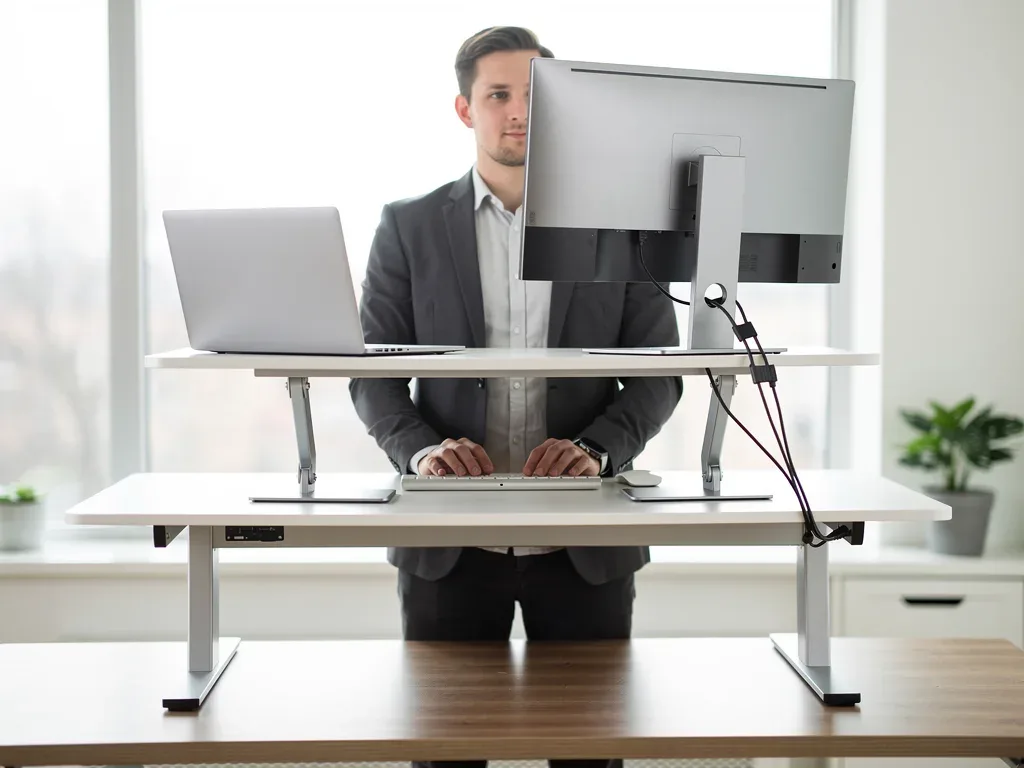
While a full standing desk is an excellent investment, space constraints or budget limitations can make them impractical for some home office setups. The Smart Standing Desk Converter with Posture Tracking offers an ingenious solution, transforming any regular desk into a dynamic sit-stand workstation. This 2026 model boasts an electric motor for smooth, quiet height adjustments and integrates advanced sensors to monitor and guide your posture throughout the day.
The posture tracking feature, powered by subtle infrared sensors, provides real-time feedback through a companion app, gently reminding you to adjust your stance or take a break. This proactive approach helps prevent slouching and encourages healthy movement patterns. Its robust design can support multiple monitors and peripherals, making it a versatile addition to any remote worker’s arsenal. This converter is not just about standing; it’s about standing correctly and moving intelligently.
Intelligent Features for Dynamic Work
The Smart Standing Desk Converter is designed for seamless integration into existing home office environments. Its compact footprint belies its impressive capabilities, making it suitable for even smaller workspaces. The electric motor ensures effortless transitions between sitting and standing, eliminating the manual effort required by older models.
- Programmable Height Presets: Save your ideal sitting and standing heights for quick, one-touch adjustments.
- Integrated Cable Management: Keeps your workspace tidy and free from clutter, enhancing focus and aesthetics.
- Companion App with Analytics: Tracks sit-stand time, posture habits, and offers personalized recommendations for improving ergonomics.
- Built-in USB Charging Ports: Conveniently power your devices directly from your workstation.
The real innovation lies in its posture tracking system. Using discreet sensors, it analyzes your body’s alignment and provides subtle, non-intrusive alerts if it detects prolonged poor posture. This could be a gentle vibration, a visual cue on the app, or a soft chime. This constant, yet unobtrusive, feedback loop helps users develop better postural habits over time, reducing the risk of back and neck pain. The app also allows users to set reminders for standing breaks, ensuring they incorporate movement into their routine.
For U.S. remote workers, who often find themselves glued to their chairs for hours, this gadget offers a pathway to a more active and healthier workday. It promotes blood circulation, reduces fatigue, and can even boost energy levels and cognitive function. By encouraging regular movement and maintaining proper posture, the Smart Standing Desk Converter becomes an indispensable tool for long-term health and sustained productivity in the home office.
Integrating Ergonomics into Your Daily Remote Work Routine
Adopting ergonomic tech gadgets is merely the first step; truly integrating them into your daily routine is where the real benefits manifest. It’s about establishing habits that support your physical well-being, transforming your workspace into a dynamic environment that promotes health and productivity. The goal isn’t just to buy new gear, but to fundamentally change how you interact with your work setup.
Start by consciously utilizing the features of each gadget. For the Adaptive Split Ergonomic Keyboard, experiment with different angles and separations until you find the configuration that feels most natural. With the AI-Powered Ergonomic Vertical Mouse, pay attention to the subtle feedback from its adaptive tracking and use the programmable buttons to streamline your most frequent tasks. And with the Smart Standing Desk Converter, make a conscious effort to alternate between sitting and standing throughout the day, guided by its posture tracking and reminders.
Best Practices for Ergonomic Integration
To maximize the benefits of your ergonomic upgrades, consider these best practices. Consistency is key; sporadic use will not yield the same results as dedicated integration. Treat your ergonomic setup as an essential part of your professional toolkit, just as important as your computer itself.
- Scheduled Breaks: Beyond standing, incorporate short stretching breaks every hour to reset your body and mind.
- Mindful Posture: Even with tech assistance, regularly check your own posture. Are your shoulders relaxed? Is your head aligned with your spine?
- Personalized Settings: Take the time to customize every adjustable feature. What works for one person might not work for another.
- Listen to Your Body: Pay attention to any discomfort. This is your body’s way of telling you something needs adjustment.
Beyond the gadgets themselves, consider the broader ergonomic context of your home office. Ensure adequate lighting to reduce eye strain, arrange your primary tools within easy reach, and minimize clutter to create a mentally clear workspace. The synergy between these advanced tech solutions and mindful work habits will unlock the full potential of your ergonomic investment. It’s a holistic approach to remote work well-being.
The Future of Home Office Ergonomics: Beyond 2026
As we project beyond 2026, the trajectory of home office ergonomics points towards even greater personalization and integration. The gadgets reviewed here are precursors to a future where our workspaces will not only adapt to us but will anticipate our needs, proactively preventing discomfort and optimizing our performance. Imagine AI-driven systems that can predict fatigue based on biometric data and suggest optimal break times or micro-adjustments to your setup.
The convergence of advanced sensors, artificial intelligence, and biofeedback mechanisms will lead to truly intelligent workspaces. We might see chairs that dynamically adjust their support based on your changing posture, or desks that automatically alter their height in response to your activity levels. The emphasis will shift from reactive solutions to preventative and predictive ergonomics, creating a truly seamless and healthy work environment.
Emerging Trends and Innovations
Several exciting trends are already shaping the ergonomic landscape for the years to come. These innovations promise to make remote work even more comfortable and efficient, addressing challenges that are only now coming into focus.
- Haptic Feedback Integration: More devices will use subtle vibrations to guide posture or provide non-visual alerts.
- Biometric Monitoring: Wearable tech will integrate with office equipment to provide personalized health and wellness insights.
- Augmented Reality (AR) for Workspace Design: AR tools will allow users to virtually design and optimize their ergonomic setup before purchasing.
- Sustainable and Smart Materials: A greater focus on eco-friendly, adaptive materials that respond to body temperature and pressure.
The overarching goal remains the same: to empower remote workers to maintain peak performance without compromising their health. The advancements in ergonomic tech are not just about adding features; they are about fostering a deeper understanding of the human body’s interaction with technology. By embracing these innovations, U.S. remote workers can look forward to a future where their home offices are not just productive, but truly nurturing environments.
Making the Investment: Justifying Ergonomic Upgrades
For many remote workers and their employers, the upfront cost of advanced ergonomic tech gadgets might seem significant. However, framing this as an investment rather than an expense reveals its true value. The benefits of a well-designed ergonomic workspace extend far beyond immediate comfort, impacting productivity, health, and overall job satisfaction. In the long run, these upgrades can lead to substantial savings and improved outcomes.
Consider the potential costs associated with poor ergonomics: increased sick days due to musculoskeletal issues, reduced work output due to discomfort and fatigue, and higher healthcare expenses. By investing in ergonomic solutions, companies can reduce absenteeism and presenteeism, while individual remote workers can safeguard their long-term health and career longevity. It’s a win-win scenario that pays dividends in both tangible and intangible ways.
Quantifying the Return on Investment (ROI)
While difficult to put an exact number on every benefit, the ROI of ergonomic upgrades can be understood through several key metrics:
- Reduced Healthcare Costs: Fewer doctor visits and physical therapy sessions for work-related injuries.
- Increased Productivity: Less discomfort means fewer distractions and more focused work time.
- Improved Employee Morale and Retention: Workers feel valued when their well-being is prioritized, leading to higher satisfaction.
- Enhanced Work Quality: A comfortable worker is a more attentive and less error-prone worker.
Many forward-thinking companies are already recognizing these benefits and offering stipends or subsidies for ergonomic home office equipment. For individual remote workers, the investment in their own health is an investment in their career. The initial outlay for an Adaptive Split Ergonomic Keyboard, an AI-Powered Ergonomic Vertical Mouse, or a Smart Standing Desk Converter is a small price to pay for years of comfortable, pain-free productivity. As the remote work paradigm solidifies, these ergonomic considerations will become standard, not optional, components of a successful home office.
| Key Ergonomic Gadget | Primary Benefit for Remote Workers |
|---|---|
| Adaptive Split Ergonomic Keyboard | Reduces wrist strain and prevents carpal tunnel syndrome through customizable angles. |
| AI-Powered Ergonomic Vertical Mouse | Promotes neutral wrist posture, reduces forearm tension, and adapts to user movements. |
| Smart Standing Desk Converter | Enables sit-stand flexibility, tracks posture, and encourages healthy movement. |
| Holistic Ergonomic Setup | Boosts overall well-being, productivity, and reduces long-term health risks in remote work. |
Frequently Asked Questions About Ergonomic Home Office Upgrades
Why are ergonomic tech gadgets important for U.S. remote workers in 2026?▼Ergonomic tech is crucial for U.S. remote workers in 2026 because it addresses the physical strains of prolonged computer use. These gadgets prevent chronic pain, reduce fatigue, and enhance productivity, ensuring a healthier and more sustainable remote work experience amidst evolving work patterns.
How does an adaptive split ergonomic keyboard benefit me?▼An adaptive split ergonomic keyboard allows you to customize the angle and separation of its halves, promoting a natural wrist and forearm posture. This significantly reduces pressure on nerves and tendons, preventing conditions like carpal tunnel syndrome and improving typing comfort and efficiency over long periods.
What makes the AI-powered ergonomic vertical mouse unique?▼The AI-powered ergonomic vertical mouse stands out by orienting your hand in a natural handshake position, minimizing wrist pronation. Its AI adapts to your movements, optimizing tracking and sensitivity, thereby reducing muscle tension and enhancing precision. This intelligent adaptation ensures superior comfort and control.
Can a smart standing desk converter truly improve my posture?▼Yes, a smart standing desk converter with posture tracking can significantly improve your posture. It provides real-time feedback and reminders through sensors and a companion app, guiding you to maintain proper alignment. This encourages healthier standing habits and consistent movement throughout your workday.
Is investing in ergonomic tech gadgets worth the cost for a remote worker?▼Absolutely. Investing in ergonomic tech is a long-term investment in your health and productivity. It reduces the risk of work-related injuries, decreases healthcare costs, and boosts overall job satisfaction. The improved comfort and efficiency typically lead to a strong return on investment over time.
Conclusion
As remote work firmly establishes itself as a cornerstone of the modern professional landscape, the importance of a thoughtfully designed home office cannot be overstated. The three ergonomic tech gadgets reviewed – the Adaptive Split Ergonomic Keyboard, the AI-Powered Ergonomic Vertical Mouse, and the Smart Standing Desk Converter with Posture Tracking – represent the pinnacle of innovation for U.S. remote workers in 2026. These tools are not mere accessories; they are fundamental components of a healthy, productive, and sustainable work environment. By embracing these advancements, remote professionals can mitigate the physical demands of prolonged computer use, enhance their well-being, and ultimately achieve a more fulfilling and efficient workday. Investing in these ergonomic upgrades is an investment in your future health and professional success.