Master the 3-Layer Method: Technical Outerwear & High-End Casualwear for Spring 2026
Advertisements
The emergence of 3-layer method outerwear offers a practical framework for Spring 2026, combining adaptable layering with the season’s visible interest in technical and sporty jackets.
Rather than representing one officially defined runway trend, the approach adapts the traditional base, mid, and outer-layer system to contemporary city dressing and premium casualwear.
Used thoughtfully, it can help manage changing temperatures while incorporating lightweight knits, refined basics, technical shells, anoraks, and other transitional pieces highlighted throughout Spring 2026.
Understanding the Core Principles of the 3-Layer Method Outerwear
The traditional 3-layer method separates clothing into a moisture-managing base, an insulating mid-layer, and an outer layer designed to provide protection from weather.
For Spring 2026, this practical framework can be adapted for everyday dressing by combining lighter technical garments with polished casual pieces.
The objective is not to wear three heavy garments constantly, but to create removable layers that remain comfortable and visually coherent as conditions change.
The Base Layer: Foundation of Comfort
The base layer sits closest to the skin, so comfort, breathability, and moisture management are more important than simply choosing the most expensive material.
Merino wool and performance synthetics can manage moisture effectively, while lightweight cotton, silk, or blends may work when intense physical activity is not expected.
For everyday styling, choose a base layer polished enough to remain visible when other garments are removed, such as a refined tee or lightweight knit.
Choose materials according to temperature, activity, and moisture needs.
Use relatively streamlined fits to limit unnecessary bulk.
Select colors that work with the remaining layers.
Prioritize comfort if the garment will be worn throughout the day.
The Mid-Layer: Insulation and Style
The mid-layer adds adjustable warmth, making fine knits, cardigans, lightweight fleece, overshirts, and thin insulated pieces useful during unpredictable spring conditions.
This layer also provides substantial styling opportunity because it may become the most visible garment once a jacket is removed indoors.
Rather than maximizing insulation, Spring 2026 layering works best when the mid-layer provides enough warmth without creating excessive bulk beneath lighter outerwear.
Consider fine wool, cashmere, technical fleece, or breathable knitwear.
Experiment with cardigans, crewnecks, vests, and overshirts.
Use texture or subtle pattern to create visual depth.
Choose pieces that work independently when the outer layer is removed.
Integrating Technical Outerwear: Function Meets Fashion
Technical outerwear has clear fashion relevance in 2026, with sporty jackets, nylon pieces, anoraks, windbreakers, and technical blousons appearing across runway and editorial coverage.
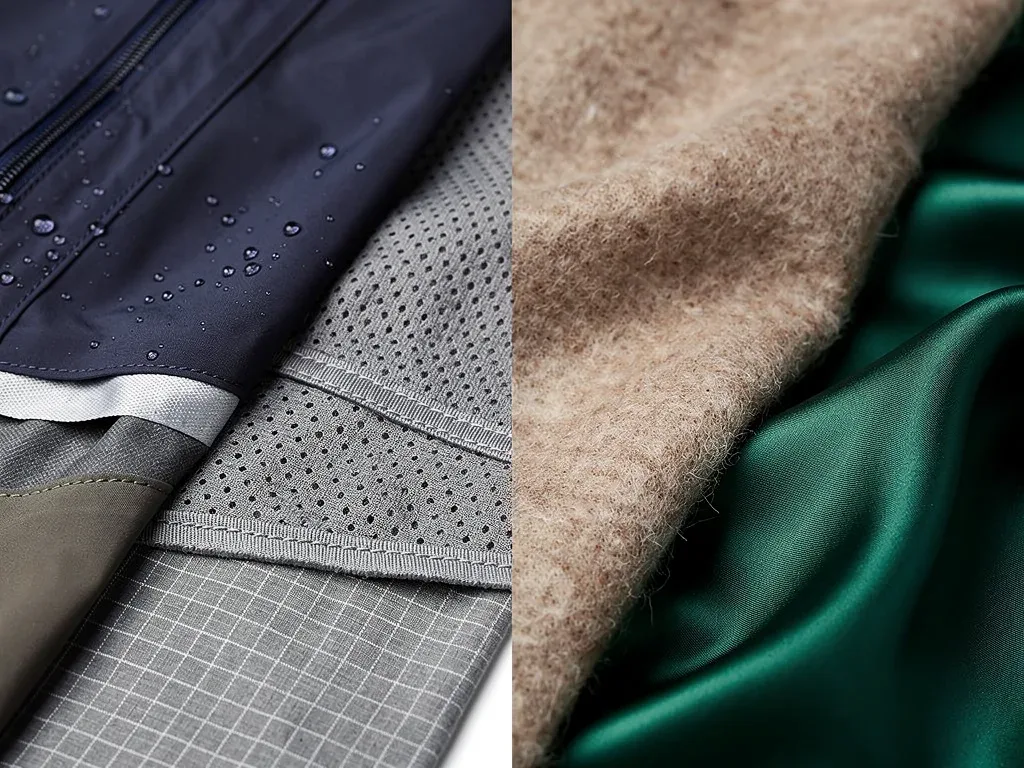
For everyday layering, prioritize the protection you actually need—such as wind resistance or water resistance—rather than assuming every technical-looking garment offers identical performance.
Details including adjustable cuffs, sealed construction, hoods, pocket placement, and packability can affect usefulness while clean proportions help the jacket integrate with refined casual clothing.
High-End Casualwear: The Elevated Aesthetic
High-end casualwear can provide contrast to technical outerwear through refined trousers, quality shirts, premium tees, lightweight knitwear, and other familiar wardrobe staples.
The combination works because a sporty or utilitarian jacket can introduce function while cleaner garments underneath prevent the complete outfit from feeling purely performance-oriented.
Price alone does not create sophistication, so fit, fabric, construction, versatility, and compatibility with existing clothing matter more than a luxury label.
Choose well-fitting basics in fabrics appropriate to the season.
Use subtle construction details rather than unnecessary embellishment.
Build around colors that can be recombined easily.
Prioritize comfort, construction, and repeat wear over branding alone.
Styling for Spring 2026: Practicality Meets Panache
Spring 2026 runway styling supports intentional layering, with designers combining contrasting colors, shirting, knits, tailoring, sporty pieces, and lightweight outerwear in varied ways.
The key is controlling volume: if the technical jacket is oversized, slimmer or cleaner layers underneath can prevent the silhouette from becoming unnecessarily bulky.
Conversely, cropped or streamlined outerwear can work with wider trousers or relaxed knitwear, allowing proportion rather than rigid layering rules to determine the final outfit.
Color Palettes and Texture Play
Spring 2026 is not limited to muted earth tones; runway coverage also highlights strong contrasts including purple with red, blue with green, and other expressive combinations.
For a quieter interpretation, technical nylon can be paired with soft knitwear, crisp cotton, lightweight wool, or smooth shirting to create texture without excessive color.
The strongest combinations use either harmony or deliberate contrast, rather than assuming every technical outfit must follow a neutral or minimalist palette.
Use neutral palettes when easy coordination is the priority.
Mix smooth technical fabrics with softer knits and crisp cotton.
Experiment with controlled color contrast when desired.
Keep enough visual connection among layers for a coherent outfit.
Footwear and Accessories: Completing the Look
Footwear can determine whether the layered outfit feels sporty, polished, or deliberately hybrid, with sneakers, loafers, boots, and other transitional options all remaining viable.
Bags, scarves, eyewear, hats, and watches can introduce additional texture or function, particularly when the garments themselves are relatively streamlined.
Accessories do not need to be strictly minimalist; their scale and design simply need to support rather than unintentionally compete with the layered silhouette.
Select footwear according to weather, walking needs, and overall styling.
Use bags and accessories to add function or personality.
Coordinate materials without requiring exact matches.
Consider scale so accessories remain proportional to the outfit.
The Evolution of Technical Fabrics in Fashion
Technical fabrics increasingly appear outside specialized outdoor clothing, allowing designers to use lightweight synthetic textiles, weather-resistant treatments, stretch, and performance construction in fashion-oriented garments.
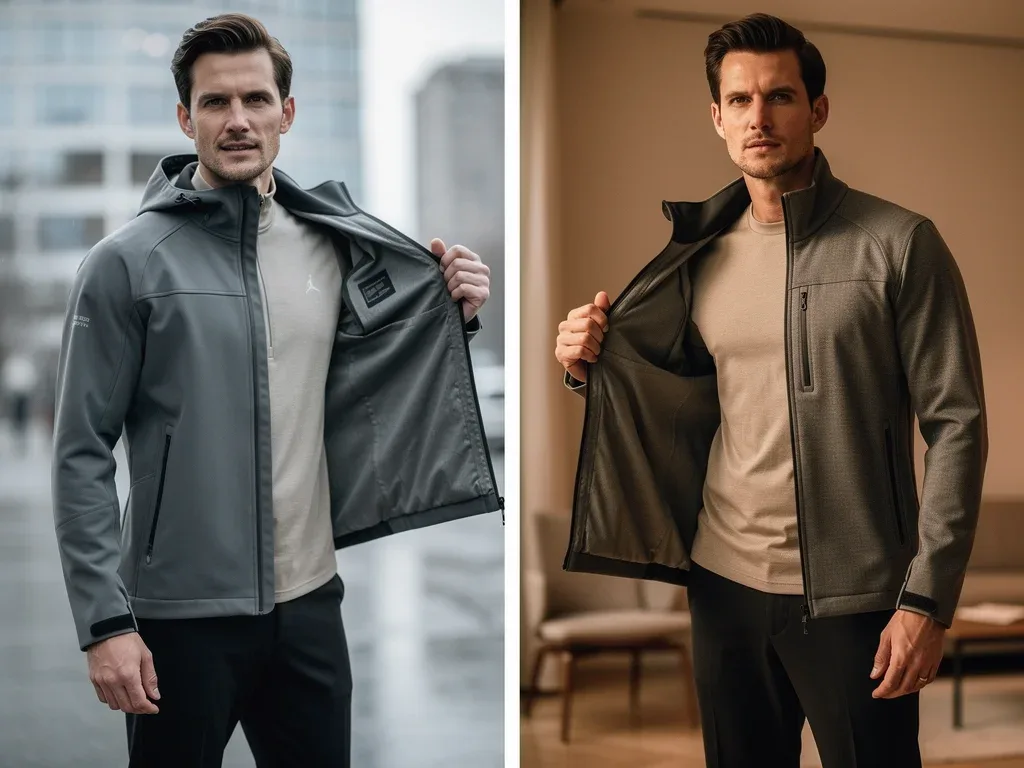
This crossover is visible in Spring 2026 fashion, where sporty bombers, anoraks, nylon jackets, and technical fabrics appear alongside tailoring and more decorative pieces.
Still, terms such as waterproof, water-resistant, windproof, and breathable describe different performance characteristics, so buyers should check actual garment specifications rather than appearance alone.
Sustainability and Ethical Considerations in Layering
A layered wardrobe can support lower consumption when pieces are versatile, durable, repairable, and worn repeatedly, but layering itself does not automatically make clothing sustainable.
Environmental impact varies across organic fibers, wool, recycled synthetics, virgin synthetics, coatings, manufacturing processes, transportation, garment care, and eventual disposal.
The most practical approach is to buy fewer pieces that meet real needs, verify specific sustainability claims, and extend garment life through proper maintenance.
Conscious Material Choices
Materials such as organic cotton, recycled fibers, responsibly sourced wool, and regenerated nylon can offer environmental advantages in particular contexts, but none is impact-free.
Technical garments can be especially complex because membranes, coatings, mixed fibers, and durable water-repellent treatments may affect performance, recyclability, and end-of-life options.
Look for transparent information about sourcing, certification, manufacturing, durability, and repair rather than relying exclusively on broad labels such as “eco-friendly” or “sustainable.”
Compare verified material and manufacturing information.
Consider durability and realistic frequency of wear.
Support transparent supply chains when reliable information is available.
Maintain existing garments before automatically replacing them.
Future Outlook: Beyond Spring 2026
The traditional three-layer system will remain useful wherever changing weather requires adaptable clothing, regardless of whether fashion continues using technical outerwear prominently.
Fashion's current interest in sporty jackets and transitional layering may evolve, but multifunctional clothing is likely to remain useful beyond one specific season.
Rather than presenting the method as a guaranteed long-term trend, it is better understood as a practical framework that can absorb changing silhouettes, fabrics, and aesthetics.
Key Aspect | Description |
|---|---|
Base Layer | Comfortable foundation selected according to moisture and temperature needs. |
Mid-Layer | Adjustable insulation that can also contribute visibly to the outfit. |
Outer Layer | Weather protection combined with Spring 2026's technical outerwear aesthetic. |
High-End Casual | Refined everyday pieces that balance the technical elements. |
Frequently Asked Questions About Layering for Spring 2026
What is the primary benefit of the 3-layer method for Spring 2026? ▼
Its main advantage is adaptability. Removable base, mid, and outer layers let wearers adjust to changing temperatures while incorporating technical outerwear into everyday styling.
How do I choose the right base layer? ▼
Choose according to activity and climate. Merino and performance synthetics manage moisture well, while lightweight cotton, silk, or blends can suit less physically demanding situations.
Can technical outerwear be stylish? ▼
Yes. Spring 2026 collections prominently feature sporty jackets, anoraks, and technical materials, demonstrating that performance-inspired outerwear can be integrated into fashion-focused outfits.
What role does high-end casualwear play in this method? ▼
It provides a refined counterpoint to technical pieces through quality shirts, trousers, knitwear, and basics, helping the outfit transition beyond a purely outdoor aesthetic.
Is the 3-layer method sustainable? ▼
Not automatically. Sustainability depends on material sourcing, manufacturing, durability, care, frequency of wear, and disposal. A versatile layered wardrobe may reduce consumption when pieces are kept and worn longer.
Perspectives on Layering Innovation
The 3-layer method outerwear is most credible as a practical styling framework that intersects with two genuine Spring 2026 themes: intentional layering and technical outerwear.
Current collections demonstrate strong interest in transitional jackets and creative layering, but evidence does not support calling the exact three-layer formula a dominant runway movement.
Its value comes from adaptability: technical protection, removable warmth, and refined everyday clothing can be recombined according to weather, lifestyle, and personal style.