Smartphone Camera Battle: Flagship Image Quality Compared for US Consumers
Advertisements
The ongoing smartphone camera battle intensifies as three recent flagship models vie for supremacy in image quality among U.S. consumers, each offering distinct advantages in various photographic scenarios.
The quest for the perfect smartphone camera is a journey many embark on, especially with new flagship models continually pushing boundaries. In this smartphone camera battle, we delve into the image quality of three prominent devices released in the last three months, specifically tailored for U.S. consumers, to help you understand which one truly stands out.
Understanding the Metrics of Image Quality
When evaluating smartphone camera performance, ‘image quality’ is a broad term encompassing several critical aspects. It’s not just about megapixel count; rather, it involves a complex interplay of hardware and software. Understanding these metrics is crucial for any discerning photographer or consumer looking to make an informed decision.
At its core, image quality relates to how accurately and pleasingly a camera captures light and color, translating a real-world scene into a digital photograph. This involves factors like dynamic range, color accuracy, detail retention, and low-light performance. Each of these elements contributes significantly to the overall perception of a photograph’s quality.
Dynamic Range: Capturing Extremes
Dynamic range refers to a camera’s ability to capture detail in both the brightest highlights and the darkest shadows of a single scene. A wide dynamic range means fewer blown-out highlights or crushed shadows, resulting in more balanced and realistic images. This is particularly important in high-contrast situations, such as landscapes with bright skies and shadowed foregrounds.
- Highlight Preservation: Prevents bright areas from appearing as pure white, retaining texture and color.
- Shadow Detail: Ensures dark areas aren’t completely black, revealing subtle textures and information.
- HDR Processing: Advanced algorithms combine multiple exposures to achieve superior dynamic range.
Modern smartphone cameras employ sophisticated High Dynamic Range (HDR) processing to overcome the physical limitations of their small sensors. This software-driven approach is often what distinguishes a good smartphone camera from a great one, allowing them to produce images that are remarkably close to what the human eye perceives.
Color Accuracy and White Balance
Color accuracy is about how faithfully a camera reproduces the colors of a scene. An accurate camera will render reds as true reds, blues as true blues, without artificial saturation or unnatural shifts. White balance, on the other hand, corrects for different color temperatures of light sources, ensuring that white objects appear white, regardless of whether they are photographed under warm indoor lighting or cool daylight.
- Neutral Tones: Essential for realistic skin tones and product photography.
- Consistent Output: Reliable color reproduction across various lighting conditions.
- Automatic Adjustments: Advanced AI often fine-unes white balance and color profiles in real-time.
These two metrics are fundamental to the aesthetic appeal of an image. A photograph with poor color accuracy or incorrect white balance can look unnatural and unappealing, even if other aspects of its quality are high. Many flagship phones now incorporate AI to intelligently adjust these parameters, aiming for a natural yet vibrant look.
Contender 1: The Visionary Performer
Our first contender in this smartphone camera battle is a device renowned for its innovative approach to mobile photography. This flagship has consistently pushed boundaries, often introducing features that later become industry standards. Its camera system boasts an impressive array of lenses and computational photography advancements, promising exceptional versatility and image fidelity.
From its ultra-wide-angle lens to its periscope telephoto, this phone is designed to cover a broad spectrum of photographic needs. The main sensor, often featuring a large physical size, works in tandem with advanced image processing to deliver stunning results across various lighting conditions. The manufacturer emphasizes a natural, balanced look in its images, avoiding overly saturated colors.
Key Camera Specifications
- Primary Sensor: High-megapixel count with advanced optical image stabilization (OIS).
- Ultra-Wide Lens: Broad field of view for landscapes and architectural shots.
- Telephoto Lens: Often a periscope design, offering significant optical zoom capabilities.
- Computational Photography: Sophisticated algorithms for HDR, night mode, and portrait effects.
The primary camera on this device stands out for its ability to capture immense detail, even in challenging lighting. Its OIS ensures sharper images and smoother video, a critical aspect for handheld shooting. The ultra-wide lens, while excellent for expansive shots, maintains good edge-to-edge sharpness, a common challenge for such lenses.
Image Quality Analysis
In bright daylight, this phone produces images with excellent dynamic range and accurate color reproduction. Details are crisp, and noise is virtually absent. The exposure is consistently well-judged, striking a good balance between highlights and shadows. Portrait mode also shines, offering natural-looking bokeh and precise subject separation, making it a strong contender for those who frequently shoot people.
Low-light performance is where this device truly impresses. Its night mode combines multiple exposures and advanced noise reduction to produce bright, detailed, and surprisingly clean images in very dim conditions. While some minor noise might be present in the deepest shadows, the overall clarity and color accuracy in low light are top-tier. Video recording is also robust, with stable footage and good audio capture, making it a strong all-around performer.
Contender 2: The Color Maestro
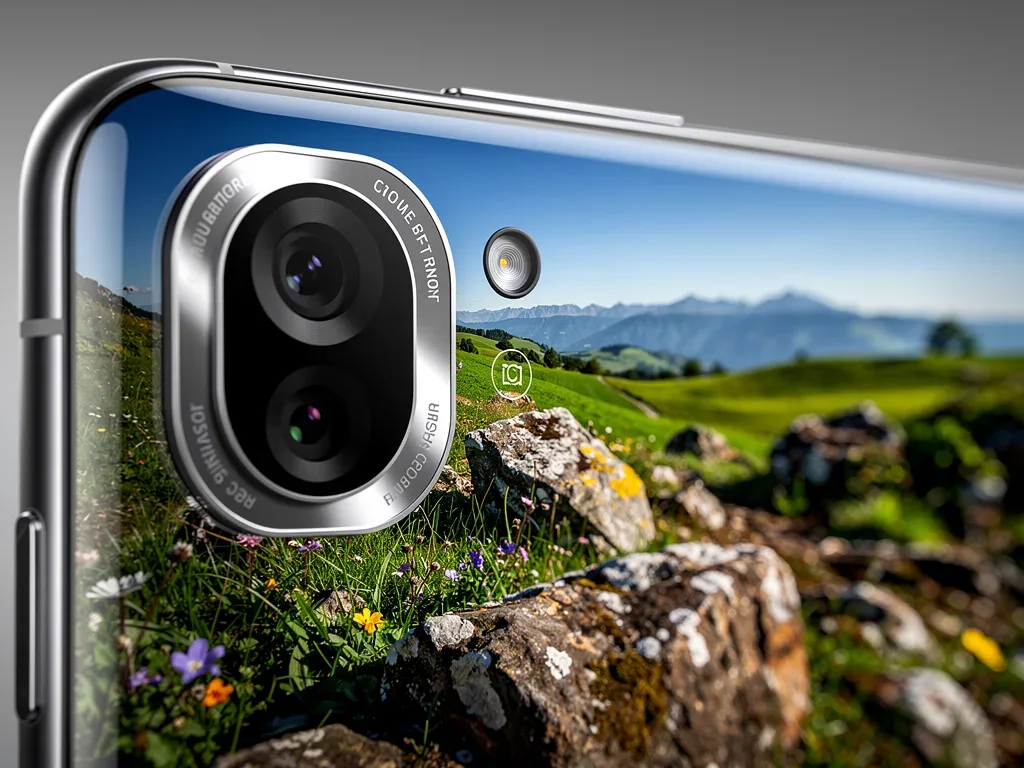
Our second contender enters the smartphone camera battle with a reputation for producing images with vibrant, punchy colors that immediately grab attention. This device leverages a combination of robust hardware and a distinctive color science, often appealing to users who prefer a more vivid and visually striking output. It’s known for its consistent performance and user-friendly camera interface.
The camera system on this phone is designed for both casual snap-shooters and more enthusiastic mobile photographers. It focuses on delivering a reliable and pleasing experience, often with a slight emphasis on contrast and saturation to make images pop. The integration of its proprietary image processing engine ensures that every shot benefits from its signature look.
Camera Hardware Highlights
- Large Sensor Main Camera: Designed for superior light gathering and detail.
- Dedicated Telephoto: Offers optical zoom for distant subjects without significant quality loss.
- Enhanced Ultra-Wide: Wider field of view with improved distortion correction.
- AI Scene Recognition: Automatically optimizes settings for various scenarios, from food to pets.
The main camera often boasts a slightly different sensor technology or aperture, contributing to its unique image characteristics. The telephoto lens is particularly effective, providing clear and usable zoomed-in shots that retain a good level of detail, making it ideal for capturing subjects from a distance without resorting to digital crop.
Image Quality Analysis
In well-lit environments, this phone excels at producing images with impressive contrast and rich, saturated colors. The photos often have a ‘ready-to-share’ quality, requiring minimal post-processing. Dynamic range is generally very good, though it might occasionally prioritize shadow detail over highlight recovery in extremely challenging scenes. Detail retention is strong, and textures are rendered accurately.
When the light dims, this contender performs admirably. Its night mode is effective, brightening scenes and reducing noise, although it might sometimes introduce a slightly softer look compared to its rivals. The color rendition remains consistent, even in low light, which is a significant advantage. Video capabilities are also solid, offering stable footage and good exposure adjustments, making it a reliable choice for capturing moments in various conditions.
Contender 3: The Detail King
The third participant in our smartphone camera battle is a device that puts an uncompromising emphasis on detail and sharpness. This flagship often features a powerful camera array backed by a highly optimized image processing pipeline, aiming to deliver images with maximum resolution and clarity. It’s a favorite among users who scrutinize every pixel and demand the highest possible fidelity.
This phone’s camera system is characterized by its dedication to capturing fine textures and intricate patterns. The manufacturer often incorporates advanced sensor technology and sophisticated software algorithms to achieve its signature sharp output. It prides itself on delivering a professional-grade photography experience in a mobile form factor, appealing to serious photographers.
Advanced Imaging Technology
- Ultra-High Resolution Main Sensor: Capable of capturing immense detail.
- Multi-Lens Array: Often includes specialized macro or depth sensors.
- Advanced Autofocus System: Ensures quick and accurate focusing in diverse conditions.
- Proprietary Image Processing Unit: Dedicated hardware for faster and more efficient image rendering.
The primary sensor is often a headline feature, boasting an exceptionally high megapixel count that allows for significant cropping without losing resolution. This is complemented by a highly responsive autofocus system that locks onto subjects quickly and accurately, minimizing missed shots, especially in fast-paced scenarios.
Image Quality Analysis
Under optimal lighting, this phone delivers images that are breathtakingly sharp and detailed. Every leaf on a tree, every strand of hair, is rendered with remarkable clarity. The color accuracy is excellent, leaning towards a neutral but pleasing palette. Dynamic range is also top-tier, handling challenging lighting situations with ease, showcasing both highlight and shadow information effectively. The sheer amount of detail captured makes these photos highly versatile for editing and printing.

In low-light conditions, the ‘Detail King’ continues to impress. While some noise might appear in very dark areas, the overall detail retention remains superior. Its night mode is highly effective, producing bright and sharp images without over-processing. Portrait mode is also very strong, providing excellent edge detection and a natural blur, although it might sometimes be slightly less aggressive with bokeh than other contenders. For those who prioritize sharpness above all else, this device is a clear winner.
Comparative Analysis: Head-to-Head Performance
Now that we’ve examined each contender individually, it’s time for a direct comparative analysis to see how they stack up in this smartphone camera battle. This section will highlight their strengths and weaknesses across various photographic scenarios, giving a clearer picture of which phone might be best suited for different user preferences and needs.
Comparing these flagship devices isn’t about finding a single ‘best’ camera, but rather understanding their unique characteristics. Each manufacturer has made distinct choices in their hardware and software implementation, leading to different photographic signatures. What one excels at, another might approach differently, catering to diverse aesthetic preferences.
Daylight Photography
In bright daylight, all three phones deliver exceptional results, making it difficult to pick a clear winner. However, subtle differences emerge. The Visionary Performer offers a very natural and balanced look, with true-to-life colors and excellent dynamic range. The Color Maestro provides a more vibrant and punchy output, which many find appealing for direct sharing. The Detail King, as expected, excels in sharpness and micro-detail, making its images ideal for those who like to zoom in and examine intricate textures.
- Visionary Performer: Natural colors, excellent dynamic range, balanced exposure.
- Color Maestro: Vibrant, saturated colors, high contrast, ‘ready-to-share’ aesthetic.
- Detail King: Unparalleled sharpness, fine detail rendition, neutral color profile.
For general outdoor photography, any of these phones will produce stunning images. The choice often comes down to personal preference for color science and whether a more natural or more vivid look is desired.
Low-Light and Night Photography
Low-light performance is a critical differentiator. The Visionary Performer often leads in this category, producing bright, clean images with remarkable detail and minimal noise, even in very challenging conditions. Its night mode is highly effective and efficient. The Detail King also performs exceptionally well, retaining superior detail in dark areas, though it might have slightly more visible noise than the Visionary Performer in extreme darkness.
- Visionary Performer: Best-in-class noise reduction, bright and detailed low-light images.
- Color Maestro: Good low-light performance, consistent color, but can be slightly softer.
- Detail King: Excellent detail retention in low light, powerful night mode, minor noise in darkest areas.
The Color Maestro, while capable, occasionally exhibits a softer output in low light compared to the other two, though its consistent color reproduction is a strong point. For those frequently shooting after dusk, the Visionary Performer or Detail King would be the preferred choices.
Specialized Features and User Experience
Beyond raw image quality, the overall camera experience is heavily influenced by specialized features and the intuitiveness of the camera app. In this smartphone camera battle, each flagship brings unique functionalities to the table, enhancing the creative possibilities and ease of use for U.S. consumers. These features can often be the deciding factor for many users, offering more than just point-and-shoot capabilities.
From advanced video modes to unique computational photography tricks, modern flagships are packed with tools designed to make mobile photography more versatile and enjoyable. Understanding these extras can help tailor the choice to specific needs, such as vlogging, creative portraiture, or capturing action shots.
Video Capabilities
Video recording has become almost as important as still photography for many users. All three contenders offer high-resolution video capture, often up to 4K at 60fps, with excellent stabilization. However, there are nuances. The Visionary Performer often boasts superior cinematic modes, offering advanced color profiles and manual controls that appeal to aspiring filmmakers. Its stabilization is particularly impressive, producing gimbal-like smoothness.
- Visionary Performer: Advanced cinematic modes, superior stabilization, professional-grade controls.
- Color Maestro: Reliable and consistent video, good color, user-friendly interface for quick recording.
- Detail King: High-resolution video with excellent detail, robust stabilization, good audio capture.
The Detail King also provides excellent video quality with crisp details and effective stabilization, making it great for capturing memories. The Color Maestro delivers solid, reliable video, perfectly adequate for most users, with its strength lying in its consistent color science applied to moving images.
Portrait Mode and Bokeh
Portrait mode, which simulates the shallow depth of field (bokeh) of professional cameras, is a highly sought-after feature. The Visionary Performer and Detail King both excel here, offering very natural-looking background blur and precise subject separation. They manage to handle complex edges, like hair, with remarkable accuracy. The Visionary Performer often produces a slightly creamier bokeh, while the Detail King focuses on maintaining subject sharpness.
- Visionary Performer: Natural, creamy bokeh, excellent edge detection, realistic depth.
- Color Maestro: Good portrait mode, effective blur, sometimes slightly less precise edge detection.
- Detail King: Sharp subject focus, accurate edge detection, pleasing background blur.
The Color Maestro’s portrait mode is also very good, providing effective background blur, though it might occasionally struggle with very fine details compared to its rivals. However, its vibrant color processing can make portraits pop, especially in good lighting. The choice here often depends on whether a more artistic blur or pinpoint subject sharpness is prioritized.
Making Your Decision: Which Camera Reigns Supreme?
After a thorough exploration of each device in this smartphone camera battle, it’s clear that there isn’t a single ‘best’ camera for everyone. The ideal choice ultimately depends on individual priorities, photographic style, and specific use cases. Each flagship brings a unique set of strengths to the table, catering to different segments of U.S. consumers.
For those who prioritize a balanced, natural look with exceptional low-light performance and advanced video capabilities, the Visionary Performer is an outstanding choice. Its ability to capture scenes faithfully, even in challenging conditions, makes it a versatile tool for a wide range of photographers.
Who Should Choose Which?
- The Visionary Performer: Ideal for users who value natural color reproduction, superior low-light imaging, and advanced video features. It’s perfect for those seeking a highly versatile and reliable all-rounder.
- The Color Maestro: Best suited for users who prefer vibrant, punchy colors and a ‘ready-to-share’ aesthetic. Its consistent performance and user-friendly interface make it great for casual photographers who want their photos to stand out with minimal effort.
- The Detail King: The go-to option for pixel peepers and those who demand the utmost in sharpness and fine detail. If you frequently crop images, print large photos, or simply want the most resolved images possible, this phone will not disappoint.
Consider your most frequent photographic scenarios. Do you often shoot in low light often, prioritize excellent night mode. If you love portraits, look for natural bokeh and accurate edge detection. For landscapes, dynamic range and ultra-wide lens quality matter. Review samples from different phones that align with your typical shooting conditions to make an informed decision.
Ultimately, all three flagships represent the pinnacle of smartphone camera technology available today. Whichever you choose, you’ll be getting a device capable of capturing stunning images. The nuances we’ve explored in this comparison are designed to help you zero in on the one that perfectly complements your photographic journey.
| Key Aspect | Summary of Performance |
|---|---|
| Daylight Image Quality | All flagships perform excellently, with differences in color science (natural vs. vibrant) and detail emphasis. |
| Low-Light Performance | Visionary Performer and Detail King lead in noise reduction and detail; Color Maestro offers consistent color. |
| Portrait Mode | Visionary Performer and Detail King offer natural bokeh and precise edge detection; Color Maestro is good but sometimes less precise. |
| Video Capabilities | Strong stabilization and high resolution across all; Visionary Performer excels in cinematic features. |
Frequently Asked Questions About Smartphone Cameras
What is the most important factor for smartphone camera image quality?▼While megapixels are often highlighted, the most critical factor is the combination of sensor size, lens quality, and computational photography algorithms. These elements work together to process light and create the final image, significantly impacting dynamic range, detail, and low-light performance more than just a high megapixel count alone.
Do more cameras on a smartphone always mean better image quality?▼Not necessarily. While multiple lenses (ultra-wide, telephoto) offer versatility, the quality of each individual lens and its sensor, coupled with software optimization, are more important than the sheer number. A phone with two excellent cameras can outperform one with four mediocre ones, focusing on core image fidelity.
How does computational photography enhance smartphone camera performance?▼Computational photography uses software algorithms to overcome hardware limitations. It combines multiple exposures for better dynamic range (HDR), reduces noise in low light (Night Mode), and creates artificial background blur (Portrait Mode). This intelligent processing significantly elevates image quality beyond what the small sensors could achieve alone.
Is optical image stabilization (OIS) important for smartphone cameras?▼Yes, OIS is highly important. It mechanically moves the lens elements to counteract camera shake, resulting in sharper photos, especially in low light or when using slower shutter speeds. For video, OIS provides much smoother and more stable footage, making it a crucial feature for high-quality mobile videography and photography.
How do I choose the best smartphone camera for my specific needs?▼Consider your primary use cases: if you shoot in low light often, prioritize excellent night mode. If you love portraits, look for natural bokeh and accurate edge detection. For landscapes, dynamic range and ultra-wide lens quality matter. Review samples from different phones that align with your typical shooting conditions to make an informed decision.
Conclusion
The contemporary smartphone camera battle among flagship models is a testament to the rapid advancements in mobile imaging technology. Each of the three contenders we’ve examined offers a compelling package, showcasing distinct strengths in areas like natural color rendition, vibrant output, and unparalleled detail. For U.S. consumers, the choice ultimately boils down to personal preference and the specific photographic scenarios they encounter most frequently. Whether you prioritize low-light prowess, vivid colors, or razor-sharp detail, there’s a flagship smartphone camera perfectly suited to elevate your mobile photography experience. The future of smartphone cameras promises even greater innovation, but for now, these devices set an exceptionally high bar.