Transitioning Winter Layering to Spring 2026: 6 Knitwear Silhouettes
Advertisements
The Spring 2026 Knitwear Transition is centered on lighter, more adaptable pieces that bridge the gap between winter layering and warmer-weather dressing. Rather than relying on a fixed garment-weight rule, the focus is on breathable construction, fine gauges, open textures, and silhouettes that can be added or removed easily.
Spring 2026 Knitwear Transition: 6 Lightweight Silhouettes for Easy Seasonal Layering highlights practical knitwear categories that are appearing across current fashion coverage, including cardigans, polos, short-sleeve knits, fine-gauge sweaters, knit tanks, and open-weave layers.
The most useful way to evaluate spring knitwear is by considering fiber, gauge, density, fit, layering potential, and local climate rather than assuming that every lightweight garment must weigh less than a specific number of grams.
Embracing Lightweight Knitwear for Spring 2026
Lightweight knitwear remains useful during spring because temperatures can shift considerably between mornings, afternoons, indoor spaces, and evenings.
Fine-gauge knits, open constructions, and thinner cardigans can provide coverage without the bulk associated with heavier winter sweaters.
Spring 2026 fashion coverage also shows knitwear being styled as a flexible year-round category rather than something reserved only for cold weather.
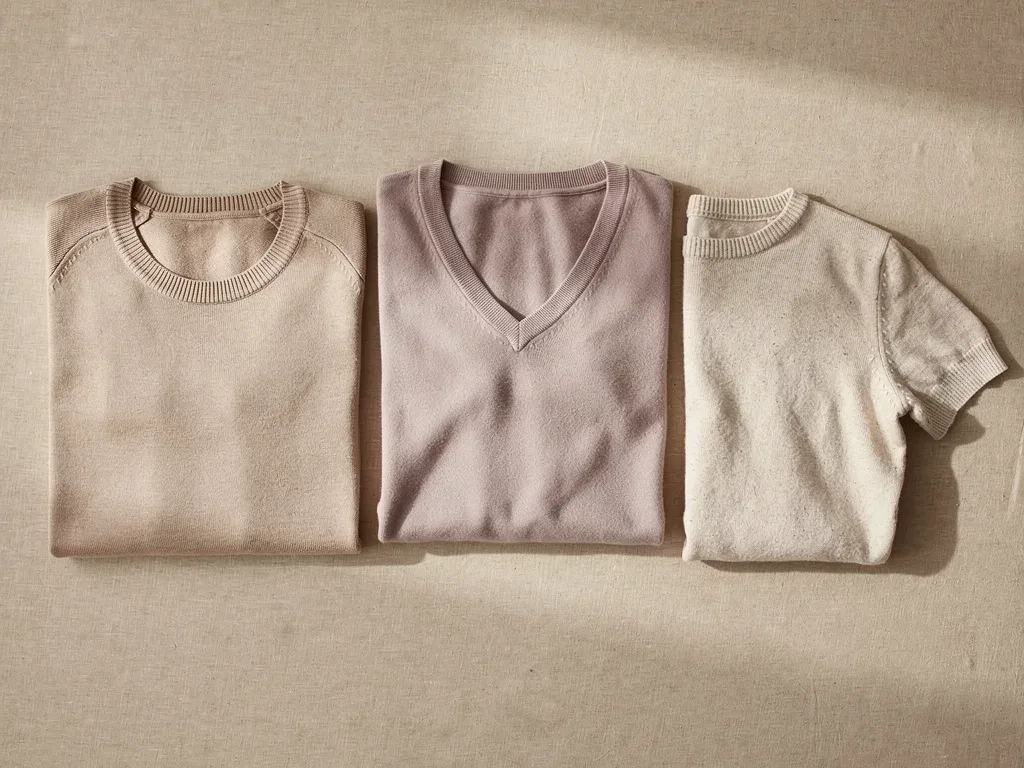
The Fine-Gauge Crewneck: A Versatile Essential
The fine-gauge crewneck remains one of the easiest knitwear pieces to layer because its relatively smooth construction can sit under jackets, blazers, or coats without adding excessive bulk.
Merino wool, cotton, silk blends, and other fine yarns can all be used depending on the desired warmth, drape, and care requirements.
Instead of assuming a crewneck will weigh less than 250 grams, shoppers should evaluate fabric density, garment size, and knit gauge because finished weight varies significantly.
Easy to layer under structured jackets.
Available in warm, breathable, and lightweight fiber options.
Works across casual, office, and transitional outfits.
The Delicate V-Neck Cardigan: Flexible Spring Layering
The cardigan is particularly useful during transitional weather because it can be opened, buttoned, removed, or draped depending on temperature.
V-neck versions can work over camisoles, T-shirts, dresses, or collared shirts, making them one of the more adaptable pieces in a spring wardrobe.
Current 2026 fashion coverage continues to position lighter cardigans as practical spring layers rather than purely winter knitwear.
The Knit Polo: Sporty Structure for Spring
Knit polos continue to bridge casual and more polished dressing by combining the familiar shape of a polo shirt with the texture and softness of knitwear.
Ribbed cotton, fine merino, silk blends, and lightweight yarns can give the silhouette enough structure for trousers or skirts while remaining comfortable.
Spring 2026 styling also shows renewed interest in preppy and sporty knit shapes, making the polo a useful option for transitional wardrobes.
The Short-Sleeve Knit: A Refined Alternative to a T-Shirt
A short-sleeve knit can provide more texture and structure than a standard jersey T-shirt while still working comfortably in mild or warm weather.
It can be worn alone, under a cardigan, or beneath a light jacket, depending on the temperature and occasion.
Rather than relying on an arbitrary sub-200-gram target, focus on breathability, softness, sleeve length, and fabric density when comparing options.
Works as a standalone top in mild weather.
Layers easily under cardigans and lightweight jackets.
Offers more texture than a basic jersey tee.
The Ribbed Knit Tank or Camisole: An Easy Base Layer
A ribbed knit tank can serve as a lightweight foundation underneath open shirts, cardigans, lightweight tailoring, or open-knit layers.
Cotton, modal, lyocell, viscose, and blended yarns can each provide different combinations of stretch, softness, breathability, and recovery.
The best option is one that feels comfortable against the skin and layers smoothly rather than one selected purely according to garment weight.
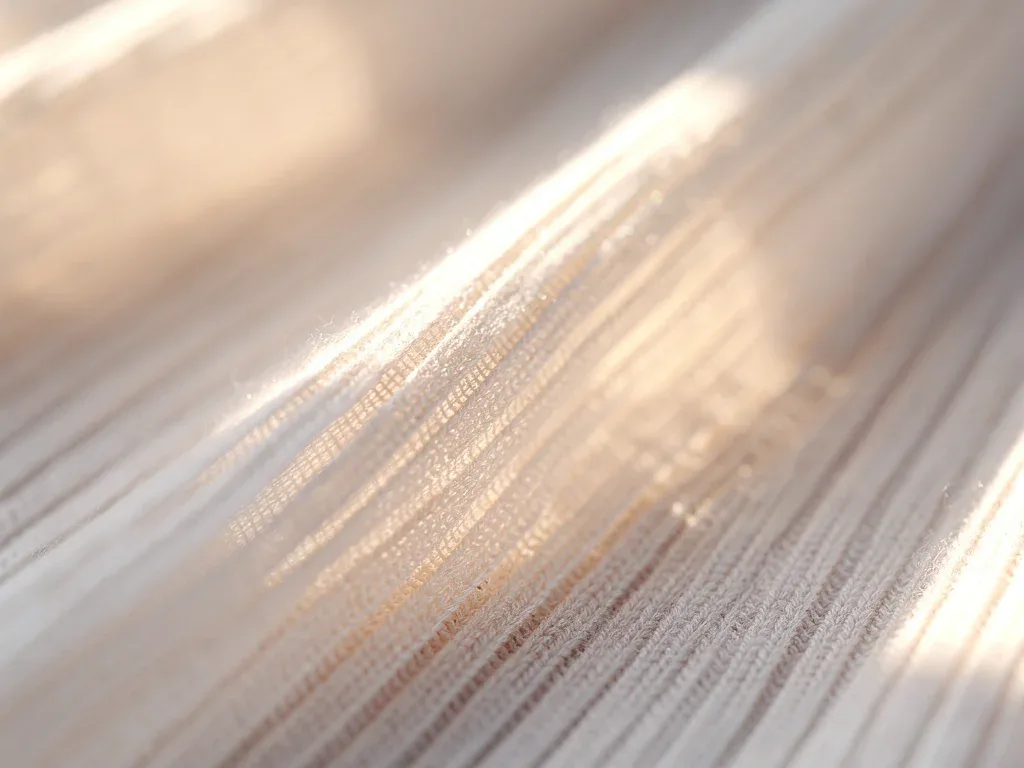
The Open-Knit Layer: Airy Texture for Warmer Days
Open-knit sweaters, tunics, and loosely constructed layers are particularly useful when visual texture is desired without the density of a traditional sweater.
The open structure allows more airflow, although the actual comfort level still depends on fiber, yarn thickness, fit, and what is worn underneath.
Open-weave knitwear is also appearing prominently in 2026 warm-weather fashion coverage, reinforcing its role as a transitional and summer-friendly category.
Styling Open-Knit Pieces
An open-knit layer can be worn over a tank, camisole, dress, swimwear, or lightweight base layer depending on how much coverage is needed.
Pairing a textured knit with smoother fabrics such as denim, poplin, linen, or simple jersey can create contrast without requiring heavy layering.
Because open construction can be delicate, shoppers should also consider snagging, stretching, and laundering requirements before purchasing.
Six Lightweight Knitwear Silhouettes to Consider
The strongest transitional wardrobe does not require every knitwear trend at once, and the six silhouettes here should be treated as options rather than mandatory purchases.
Fine-gauge crewnecks, V-neck cardigans, knit polos, short-sleeve knits, ribbed tanks, and open-knit layers each solve a slightly different layering need.
The most useful selection will depend on climate, work environment, lifestyle, laundry habits, and the clothing already available in your wardrobe.
How to Choose Between the Six
Start with the temperatures and situations you encounter most often rather than choosing pieces only because they are currently featured in fashion coverage.
A commuter may benefit from a removable cardigan, while someone in a warmer climate may use short-sleeve knits and open-weave layers more frequently.
Versatility matters most when each piece can work with several existing garments instead of requiring an entirely new set of coordinating clothes.
Styling Lightweight Knits for Spring 2026
Transitional styling works best when layers can be adjusted without disrupting the overall outfit.
A fine-gauge sweater can sit beneath tailoring, a cardigan can be added over a tank, and a knit polo can replace a woven shirt in a more relaxed outfit.
Spring 2026 street-style coverage also supports mixing color, texture, and proportion rather than treating knitwear as a purely neutral basic.
Use Contrast Without Adding Bulk
Lightweight knitwear can look more intentional when paired with fabrics that have a different texture or structure.
A soft knit with crisp cotton trousers, a ribbed polo with denim, or a fine cardigan with a flowing skirt can create visual contrast without heavy layering.
Accessories and footwear can then shift the outfit toward casual, polished, sporty, or evening styling without requiring a completely different knit.
Pair fine knits with structured outer layers.
Mix smooth and textured fabrics for contrast.
Use footwear and accessories to change the outfit's level of formality.
Color and Texture in Spring 2026 Knitwear
Spring 2026 fashion coverage shows knitwear appearing in both familiar neutrals and more expressive colors, reflecting the broader season's emphasis on individuality.
Colorful knits can work as focal points, while quieter crewnecks and cardigans can function as flexible layering basics.
The best choice depends on how easily the color integrates with the rest of the wardrobe rather than whether it appears on a particular runway.
Fine Gauge Does Not Have to Mean Minimal
Thin knitwear can still incorporate ribbing, stripes, collars, textured stitches, contrast trims, or unexpected color combinations.
These details allow lightweight pieces to carry visual interest without relying on heavy yarn or oversized construction.
This flexibility helps explain why knitwear continues to appear across both minimalist and more expressive Spring 2026 styling.
Sustainable Choices in Lightweight Knitwear
The Spring 2026 Knitwear Transition also overlaps with broader interest in sustainable fashion, but material labels alone do not determine environmental performance.
Organic cotton, recycled fibers, wool, linen, lyocell, cashmere, and synthetic blends each involve different tradeoffs involving agriculture, energy, chemicals, durability, shedding, and end-of-life options.
A more responsible purchase considers how the fiber was sourced, how the garment was made, how often it will be worn, and whether it can be cared for and used over time.
Look Beyond the Fiber Name
A natural fiber is not automatically environmentally preferable, just as a recycled or regenerated fiber is not automatically low impact.
Certification, supply-chain transparency, durability, repairability, washing needs, and expected use can all influence the overall footprint of a knitwear purchase.
Shoppers interested in sustainable choices should therefore compare specific products rather than rely on broad material categories.
Why the 300-Gram Rule Should Be Treated Carefully
There is no widely accepted fashion-industry standard defining spring knitwear as garments weighing less than 300 grams.
The finished weight of a sweater varies with size, yarn thickness, fiber density, stitch construction, trim, buttons, and overall silhouette.
Weight can still be useful when comparing two specific garments, but it should not be presented as a universal technical threshold for Spring 2026 knitwear.
Better Indicators of Spring Comfort
Gauge, fiber type, knit density, airflow, moisture behavior, fit, and layering potential generally tell shoppers more about how a knit will feel in changing temperatures.
An open 350-gram cotton knit may feel cooler than a dense 250-gram wool sweater, illustrating why total weight alone can be misleading.
For online purchases, detailed fabric composition, measurements, knit description, and care instructions are more useful than an isolated weight figure.
Knitwear Silhouette | Practical Spring Benefit |
|---|---|
Fine-Gauge Crewneck | Slim, adaptable layer for jackets, tailoring, or standalone wear. |
V-Neck Cardigan | Easy to add or remove as temperatures change. |
Knit Polo | Combines soft knit construction with a more structured collar. |
Short-Sleeve Knit | Provides a polished alternative to a basic T-shirt. |
Ribbed Knit Tank | Works as a lightweight base layer for warmer spring days. |
Open-Knit Layer | Adds texture and coverage while allowing greater airflow. |
Frequently Asked Questions About Spring 2026 Knitwear Transition
What defines lightweight knitwear for Spring 2026? ▼
There is no universal weight threshold. Lightweight spring knitwear is better identified by fine gauge, breathable construction, lighter yarns, open textures, and the ability to layer comfortably without excessive bulk.
Does spring knitwear need to weigh less than 300 grams? ▼
No. Garment weight varies with size, yarn, fiber, stitch density, and design, so 300 grams should not be presented as an industry-standard cutoff.
What are the six useful knitwear silhouettes for Spring 2026? ▼
Fine-gauge crewnecks, V-neck cardigans, knit polos, short-sleeve knits, ribbed knit tanks or camisoles, and open-knit layers are all practical transitional options.
Are natural fibers always better for spring knitwear? ▼
No. Cotton, wool, linen, lyocell, viscose, polyester, and blended fibers each have different performance and environmental characteristics, so the best material depends on use, climate, construction, and care.
How can I layer lightweight knits effectively? ▼
Choose pieces with different functions: a thin base layer, a removable cardigan or crewneck, and a lightweight jacket can provide flexibility as temperatures change throughout the day.
Perspectives on the Spring 2026 Fashion Landscape
The Spring 2026 Knitwear Transition reflects a broader move toward knitwear that works beyond traditional cold-weather dressing.
Fine gauges, cardigans, knit polos, tanks, and open constructions offer flexible ways to adapt to mild temperatures while still supporting different personal styles.
Rather than focusing on a rigid sub-300-gram rule, the strongest approach is to choose breathable, useful pieces that layer easily and fit the climate, wardrobe, and situations in which they will actually be worn.