Sustainable Apparel Innovations: US Eco-Fashion Tech Trends
Advertisements
The US eco-fashion landscape is rapidly transforming through sustainable apparel innovations, with five key technologies poised to redefine the industry in the next five years, offering practical solutions for a greener future.
The fashion industry, long criticized for its environmental footprint, is undergoing a profound transformation. In the United States, the push for sustainability is not merely a trend but a fundamental shift, driven by consumer demand, regulatory pressures, and groundbreaking technological advancements. This article delves into the most promising sustainable apparel innovations set to revolutionize US eco-fashion over the next five years, offering practical solutions that are both environmentally conscious and economically viable.
Next-Generation Bio-Based Materials and Fibers
The quest for alternatives to traditional petroleum-based synthetics and resource-intensive natural fibers has led to a surge in the development of bio-based materials. These innovations leverage renewable resources, often agricultural waste or fast-growing plants, to create textiles with a significantly lower environmental impact. The next five years will see these materials move from niche applications to mainstream adoption, driven by improved performance and scalability.
Mycelium-Based Leather Alternatives
One of the most exciting advancements in bio-based materials is the emergence of mycelium-based leather. Derived from the root structure of mushrooms, this material offers a cruelty-free, biodegradable, and resource-efficient alternative to traditional leather. Companies are refining the growth process to achieve varying textures and strengths, making it suitable for a wide range of apparel and accessories.
- Reduced water and land usage compared to animal agriculture.
- Biodegradable at end-of-life, minimizing landfill waste.
- Versatile in texture and appearance, mimicking real leather remarkably well.
- Lower carbon footprint in production.
Algae and Plant-Derived Fibers
Beyond mycelium, innovations in algae and various plant-derived fibers are gaining traction. Algae can be cultivated with minimal land and freshwater, producing cellulose-rich biomass that can be spun into textiles. Similarly, fibers extracted from agricultural by-products like pineapple leaves, banana stems, and even orange peels are being engineered into durable and comfortable fabrics. These developments offer a circular economy approach, converting waste into valuable resources.
The scalability of these solutions is crucial for their impact. Investment in research and development, coupled with supportive policies, will accelerate their integration into supply chains. As production costs decrease and performance metrics improve, these bio-based materials will become increasingly competitive, offering consumers truly sustainable choices without compromising on quality or aesthetics.
Advanced Textile Recycling Technologies
The linear model of ‘take-make-dispose’ is being challenged by advanced textile recycling, a critical component of a circular fashion economy. While mechanical recycling has been around for some time, its limitations in maintaining fiber quality are being overcome by chemical and enzymatic processes. These innovations are set to unlock the potential of textile-to-textile recycling on an industrial scale in the US.
Chemical Recycling for Blended Fabrics
One of the biggest hurdles in textile recycling is the prevalence of blended fabrics, which are difficult to separate into their constituent fibers. Chemical recycling technologies are designed to dissolve or break down specific fibers, such as polyester or cotton, allowing for the recovery of high-quality raw materials. This process can handle complex blends, transforming what was once waste into valuable inputs for new garments.
- Enables the recycling of previously unrecyclable blended textiles.
- Produces virgin-quality fibers, maintaining material integrity.
- Reduces the reliance on virgin resources and minimizes landfill waste.
- Offers a closed-loop solution for textile production.
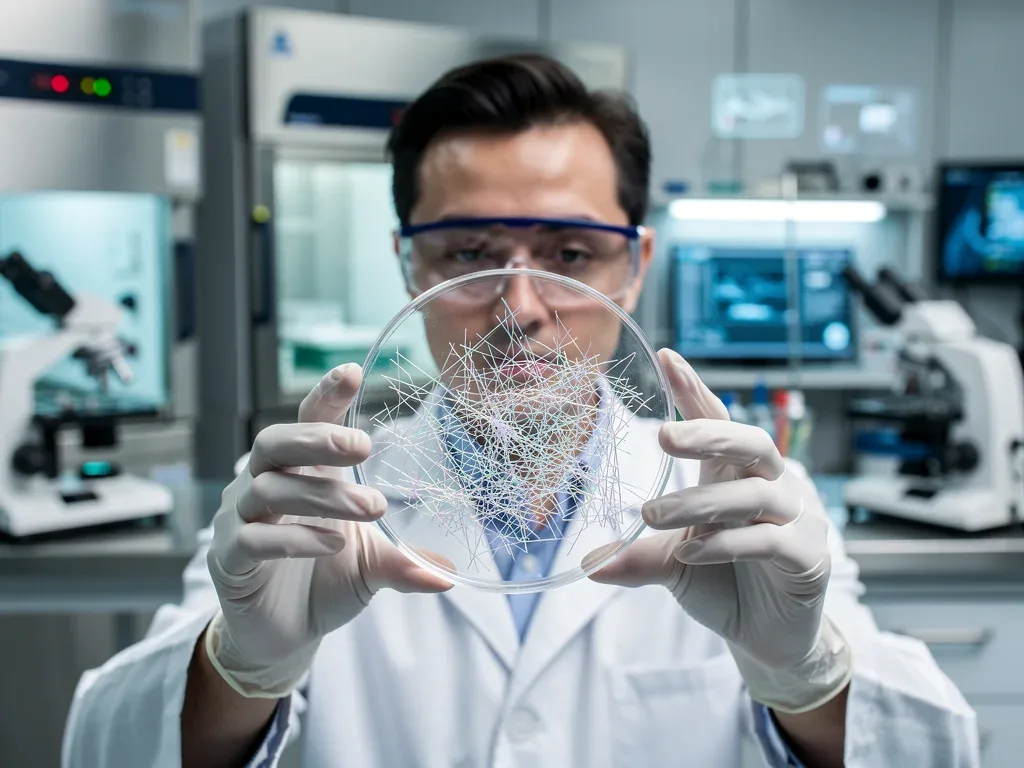
Enzymatic Recycling and Bio-Refineries
Enzymatic recycling uses biological agents to break down textile waste, particularly cellulose-based fibers like cotton. This method is often less energy-intensive and produces fewer harmful by-products than chemical recycling. Coupled with the development of bio-refineries, which can extract multiple valuable components from textile waste, these technologies represent a significant leap towards comprehensive resource recovery.
The economic viability of these advanced recycling methods is improving with economies of scale and technological refinements. Collaborative efforts between brands, recyclers, and material scientists are essential to build the necessary infrastructure and supply chains. As these systems mature, they will drastically reduce textile waste and the demand for virgin materials, making a significant impact on the environmental footprint of the US fashion industry.
Waterless Dyeing and Finishing Techniques
Textile dyeing and finishing are notoriously water-intensive and polluting processes. New technologies are emerging that drastically reduce or eliminate water usage, alongside minimizing the discharge of harmful chemicals. These innovations are crucial for mitigating the fashion industry’s environmental impact, particularly in regions facing water scarcity.
Supercritical CO2 Dyeing
Supercritical CO2 dyeing uses carbon dioxide in a fluid state to carry dyes into fabrics, eliminating the need for water. The CO2 can then be captured and reused, making the process highly efficient and environmentally friendly. This technology is particularly effective for synthetic fibers like polyester and is gaining traction for its ability to produce vibrant colors with zero wastewater discharge.
- Eliminates water usage in the dyeing process.
- Avoids the use of harsh chemicals typically found in conventional dyeing.
- Offers excellent color fastness and vibrancy.
- Reduces energy consumption compared to traditional methods.
Digital Printing and Pigment Dyeing
Digital textile printing applies ink directly to fabric, minimizing waste and allowing for on-demand production. This reduces the need for large dye baths and the associated water and chemical usage. Similarly, advancements in pigment dyeing, which uses pigments that adhere to the fabric surface rather than penetrating the fibers, are offering more sustainable alternatives to reactive dyes, often requiring less water and energy.
The adoption of these waterless and low-water techniques requires significant upfront investment but offers long-term environmental and operational benefits. As consumer awareness of water conservation grows, brands that embrace these technologies will gain a competitive edge. The shift towards these innovative dyeing and finishing methods is a practical step towards a more sustainable and responsible fashion supply chain in the US.
On-Demand Manufacturing and 3D Printing
Traditional fashion production often leads to significant overproduction and waste. On-demand manufacturing, facilitated by advanced technologies like 3D printing and automated micro-factories, offers a powerful solution. By producing garments only when they are ordered, brands can dramatically reduce inventory waste, energy consumption, and the overall environmental impact of their supply chains.
Automated Micro-Factories for Local Production
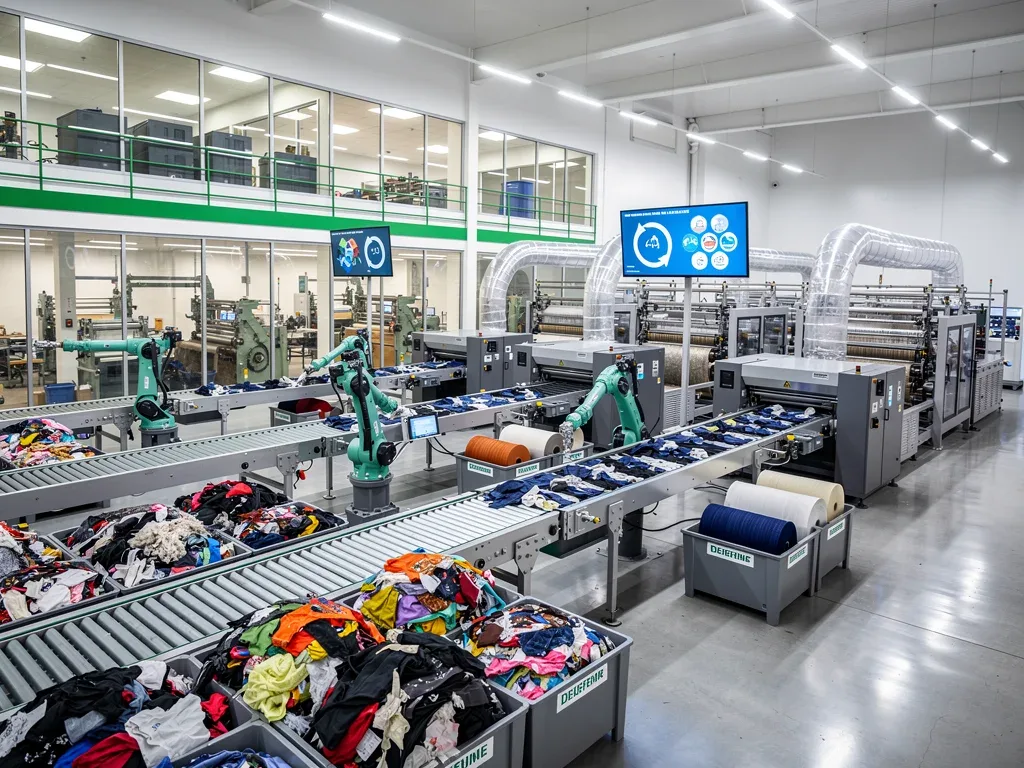
Micro-factories, equipped with robotics and advanced automation, can produce garments efficiently and locally. This reduces transportation emissions and allows for rapid response to consumer demand. These smaller, agile production units can be strategically located closer to markets, fostering localized supply chains and creating new job opportunities within the US.
- Significantly reduces overproduction and deadstock.
- Minimizes transportation emissions through localized production.
- Enables faster response times to market trends.
- Offers greater transparency and ethical oversight in manufacturing.
3D Printing for Apparel and Accessories
While still in its nascent stages for full garment production, 3D printing is rapidly advancing, particularly for intricate components, accessories, and even entire shoes. This additive manufacturing process allows for precise material usage, minimizing waste and enabling highly customized designs. As materials and printing speeds improve, 3D printing could revolutionize how certain apparel items are designed and produced.
The integration of on-demand manufacturing and 3D printing represents a paradigm shift from mass production to personalized, waste-efficient creation. For the US fashion industry, this means not only a reduced environmental footprint but also enhanced agility, innovation, and competitiveness. These technologies empower brands to move towards a more sustainable and responsive business model.
Digital Product Passports and Blockchain for Transparency
A key challenge in achieving true sustainability in fashion is the lack of transparency across complex global supply chains. Digital product passports (DPPs) and blockchain technology are emerging as powerful tools to provide consumers and businesses with verifiable information about a garment’s journey, from raw material to retail and beyond.
Digital Product Passports for Comprehensive Data
A Digital Product Passport is essentially a digital twin of a physical product, containing comprehensive information about its origin, materials, manufacturing processes, environmental footprint, and end-of-life instructions. Consumers can access this data via QR codes or NFC tags, empowering them to make informed purchasing decisions and participate in circular initiatives like repair or recycling.
- Provides consumers with clear, verifiable sustainability data.
- Facilitates product repair, reuse, and recycling.
- Enhances brand accountability and builds trust.
- Supports compliance with upcoming sustainability regulations.
Blockchain for Supply Chain Traceability
Blockchain technology, with its immutable and distributed ledger system, is ideal for tracking products through the supply chain. Each step, from fiber sourcing to garment assembly, can be recorded on the blockchain, creating an unalterable record of a product’s journey. This ensures authenticity, prevents fraud, and provides unparalleled transparency regarding ethical labor practices and environmental certifications.
The implementation of DPPs and blockchain will transform the relationship between brands and consumers, fostering greater trust and encouraging responsible consumption. For the US fashion industry, these technologies are not just about compliance but about building a more ethical, transparent, and ultimately more sustainable future. They provide the necessary infrastructure for a truly circular economy, where every garment’s story is known and its impact understood.
The Future of Sustainable Fashion in the US
The confluence of these five technological advancements—next-generation bio-based materials, advanced textile recycling, waterless dyeing, on-demand manufacturing, and digital transparency—paints a hopeful picture for the future of eco-fashion in the US. Each innovation addresses critical environmental and ethical challenges, offering practical solutions that are steadily gaining traction.
The next five years will be a pivotal period, as these technologies mature and become more integrated into mainstream fashion practices. Consumers will have access to a wider array of truly sustainable products, while brands will benefit from more efficient, responsible, and resilient supply chains. The journey towards a fully circular and sustainable fashion industry is complex, but these innovations provide a clear roadmap for progress.
Embracing these changes requires collaboration across the entire ecosystem, from material scientists and manufacturers to designers, retailers, and consumers. The US is well-positioned to lead this transformation, leveraging its innovative spirit and strong consumer demand for ethical and environmentally friendly products. The future of fashion is not just about what we wear, but how it’s made and its impact on the planet.
| Key Innovation | Brief Description |
|---|---|
| Bio-Based Materials | New textiles from mycelium, algae, and plant waste, reducing reliance on virgin resources and aiding biodegradability. |
| Textile Recycling | Chemical and enzymatic processes to recover high-quality fibers from blended textile waste, enabling circularity. |
| Waterless Dyeing | Supercritical CO2 and digital printing methods eliminate or drastically reduce water and chemical use in coloring fabrics. |
| Digital Transparency | Digital Product Passports and blockchain for complete supply chain traceability and verifiable sustainability data. |
Frequently Asked Questions About Eco-Fashion Innovations
What are bio-based materials in sustainable fashion?▼Bio-based materials are textiles derived from renewable natural resources like plants, fungi (mycelium), or algae. They offer sustainable alternatives to conventional fibers, reducing reliance on fossil fuels and often providing biodegradability at the end of their lifecycle, lowering environmental impact.
How do advanced textile recycling technologies work?▼Advanced textile recycling involves chemical or enzymatic processes to break down used garments, especially blended fabrics, into their original components. This allows for the recovery of high-quality raw materials that can be spun into new fibers, creating a closed-loop system and minimizing waste.
What is waterless dyeing, and why is it important?▼Waterless dyeing techniques, such as supercritical CO2 dyeing, use minimal or no water to color fabrics. This is crucial because traditional dyeing is a major water polluter and consumer. These innovations drastically reduce water usage and eliminate toxic wastewater discharge, promoting environmental conservation.
How does on-demand manufacturing contribute to sustainability?▼On-demand manufacturing produces items only when ordered, significantly reducing overproduction and textile waste. By leveraging technologies like automation and 3D printing, it minimizes inventory, energy consumption, and transportation emissions, leading to a more efficient and environmentally conscious supply chain.
What role does blockchain play in fashion sustainability?▼Blockchain technology provides an immutable and transparent record of a garment’s journey from raw material to consumer. This enhances supply chain traceability, verifies ethical practices, and empowers consumers with information about a product’s true environmental and social impact, fostering trust and accountability.
Conclusion
The landscape of US eco-fashion is on the cusp of transformative change, driven by pioneering sustainable apparel innovations. From the revolutionary development of bio-based materials like mycelium leather and plant-derived fibers to the critical advancements in chemical and enzymatic textile recycling, the industry is actively seeking to minimize its environmental footprint. Waterless dyeing techniques are addressing the significant issue of water consumption and pollution, while on-demand manufacturing and 3D printing are combating overproduction and waste. Furthermore, the integration of digital product passports and blockchain technology is ushering in an era of unprecedented transparency and accountability across complex supply chains. These five key technologies are not merely theoretical concepts; they represent practical, scalable solutions poised to redefine how garments are created, consumed, and recycled in the next five years. Their widespread adoption promises a more circular, ethical, and truly sustainable future for the American fashion industry, benefiting both the planet and its inhabitants.