Urban U.S. E-Bikes 2026: Performance & Range Review
Advertisements
The 2026 urban electric bike market in the U.S. showcases significant advancements in battery range, motor efficiency, and integrated smart features, catering to diverse commuting and recreational demands.
The landscape of urban transportation is rapidly evolving, with urban electric bikes at the forefront of this revolution. As we look towards 2026, the U.S. market is brimming with innovative models designed to make city commuting more efficient, enjoyable, and sustainable. This comprehensive review delves into the performance and range of four leading electric bike models, offering insights into what makes them stand out in a competitive and fast-growing segment.
The rise of urban electric bikes in the U.S.
Electric bikes have transcended their niche status to become a mainstream transportation solution, particularly in urban centers across the United States. Their appeal lies in their ability to combine the health benefits of cycling with the power assistance needed to tackle hills, cover longer distances, and arrive at destinations without excessive exertion. This surge in popularity is driven by a combination of technological advancements, environmental consciousness, and a desire for more convenient and cost-effective commuting options.
The 2026 market reflects an increased sophistication in design and engineering. Manufacturers are focusing on lighter frames, more powerful yet quieter motors, and batteries that offer extended range while integrating seamlessly into the bike’s aesthetics. The urban environment presents unique challenges for cyclists, from stop-and-go traffic to varying road conditions, and modern e-bikes are engineered to meet these demands head-on. Many models now include advanced features like integrated GPS, anti-theft systems, and smartphone connectivity, further enhancing their utility for city dwellers.
Furthermore, the infrastructure supporting electric bikes, such as charging stations and dedicated bike lanes, continues to expand in many U.S. cities. This growth, coupled with favorable government incentives and a broader public acceptance of alternative transportation, solidifies the electric bike’s position as a vital component of future urban mobility. The convenience of bypassing traffic jams and the reduced environmental footprint make them an increasingly attractive choice for a diverse demographic.
Performance metrics: motor power and pedal assist systems
When evaluating urban electric bikes, understanding their performance metrics, especially motor power and pedal assist systems, is crucial. These elements directly influence acceleration, hill-climbing capability, and the overall riding experience. In 2026, we see a trend towards more refined and efficient power delivery systems that cater to a variety of rider preferences and urban terrains.
Most urban e-bikes in the U.S. market feature motors ranging from 250W to 750W, adhering to federal regulations for electric bicycles. These motors are typically located in the hub (front or rear) or as a mid-drive unit. Mid-drive motors are often favored for their balanced weight distribution and more natural pedal feel, making them excellent for varied urban topography. Hub motors, while sometimes less efficient on steep inclines, offer a simpler design and can be more budget-friendly.
Understanding pedal assist levels
Pedal assist systems (PAS) provide varying degrees of motor assistance as you pedal. The number of assist levels can range from three to nine, allowing riders to customize their effort:
- Eco mode: Offers minimal assistance, conserving battery life for longer rides.
- Tour/Standard mode: Provides a balanced level of assistance, suitable for most urban commuting.
- Sport/Turbo mode: Delivers maximum power for quick acceleration or tackling steep hills with ease.
Many 2026 models also incorporate torque sensors, which measure the force applied to the pedals and adjust motor output accordingly. This results in a smoother, more intuitive riding experience compared to cadence-based systems that only detect if the pedals are turning. The integration of advanced sensors and smart algorithms ensures that power delivery is seamless, making the ride feel less like a motorized vehicle and more like a super-powered bicycle.
The performance of an urban electric bike is not just about raw power; it’s about how effectively that power is delivered and managed. The interplay between motor type, wattage, and the sophistication of the pedal assist system defines how well an e-bike can adapt to the dynamic demands of city riding, from navigating busy streets to cruising along bike paths.
Battery technology and range expectations
Battery technology is arguably the most critical component influencing an electric bike’s utility, especially its range. In 2026, advancements in lithium-ion batteries continue to push the boundaries of distance and efficiency, making urban electric bikes more practical for daily use. Riders increasingly expect longer ranges, faster charging times, and batteries that can withstand numerous charge cycles without significant degradation.
Modern urban e-bikes are typically equipped with lithium-ion batteries ranging from 400 Wh to 700 Wh. The actual range a rider can expect varies significantly based on several factors:
- Terrain: Hilly routes consume more power than flat paths.
- Rider weight: Heavier riders or those carrying cargo will reduce range.
- Assist level: Using higher pedal assist modes drains the battery faster.
- Weather conditions: Cold weather can temporarily reduce battery performance.
- Tire pressure: Properly inflated tires reduce rolling resistance and conserve energy.
Manufacturers are also focusing on integrating batteries more seamlessly into the bike frame, improving aesthetics and offering better protection from the elements. Removable batteries are a common feature, allowing riders to charge them indoors or swap them out for extended journeys. Fast-charging capabilities are also becoming standard, with many batteries reaching 80% charge in just a couple of hours.
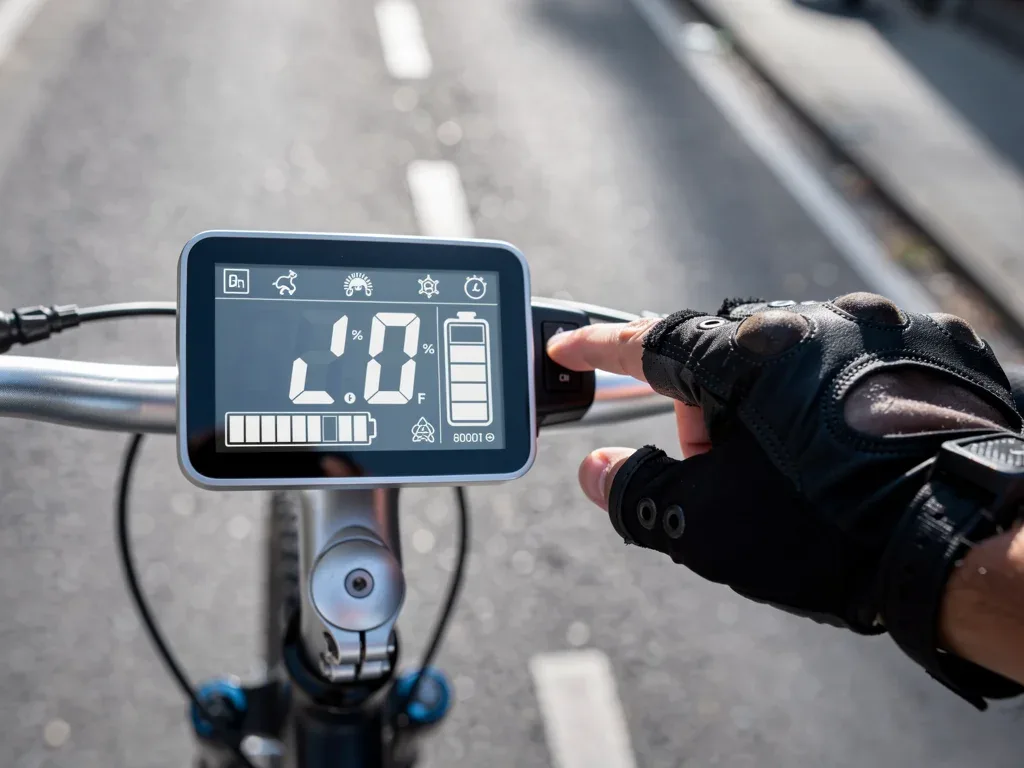
Looking ahead, solid-state battery technology holds promise for even greater energy density and faster charging, though its widespread adoption in e-bikes is still a few years away. For now, the focus is on optimizing current lithium-ion chemistries and sophisticated battery management systems (BMS) to ensure safety, longevity, and consistent performance. A reliable battery with an adequate range is paramount for urban commuters who depend on their e-bike for daily transportation, minimizing range anxiety and maximizing convenience.
Review of 4 leading urban electric bicycle models for 2026
The 2026 urban electric bike market offers a diverse array of choices, each with unique strengths. We’ve selected four models that exemplify the best in performance, range, and urban suitability, providing a snapshot of what riders can expect from the top tier.
Model 1: The commuter cruiser 5000
The Commuter Cruiser 5000 has quickly become a favorite among daily commuters due to its robust construction and exceptional comfort. It features a 500W mid-drive motor, providing smooth and powerful acceleration, ideal for navigating busy city streets. The integrated 600 Wh battery offers an impressive average range of 50-70 miles on a single charge, depending on the assist level and terrain. Its upright riding position and front suspension fork absorb road imperfections, making even long commutes enjoyable. The bike also boasts integrated front and rear lights, full fenders, and a rear rack, emphasizing its practical design for urban life. Its seven-speed drivetrain ensures versatility across various urban inclines, while hydraulic disc brakes provide reliable stopping power in all weather conditions.
Model 2: The urban explorer Xpress
For those who prioritize agility and a sportier ride, the Urban Explorer Xpress is an excellent choice. This model is equipped with a lightweight 350W rear hub motor, which contributes to its overall nimble feel. While its 450 Wh battery provides a slightly shorter range of 35-55 miles, its quick acceleration and responsive handling make it perfect for weaving through traffic. The Explorer Xpress features a sleek, minimalist design with the battery cleverly integrated into the downtube. Its nine-speed derailleur system and narrower tires enhance its performance on paved surfaces, offering a more athletic riding experience. This bike is particularly appealing to riders who appreciate a blend of speed and maneuverability in their urban travels.
Model 3: The cargo haul master
The Cargo Haul Master redefines urban utility with its impressive load-carrying capacity and powerful performance. Designed for errands, grocery runs, or even child transport, this e-bike comes with a formidable 750W mid-drive motor. Its large 700 Wh battery is engineered for extended range, consistently delivering 60-80 miles, even with significant cargo. The bike features an extra-long rear rack and a sturdy front basket, allowing for versatile hauling options. Its robust frame, often made from reinforced aluminum, ensures durability, while powerful hydraulic disc brakes are essential for managing heavier loads. The Cargo Haul Master usually includes a wide range of gears to assist with heavy-duty pedaling, making it an indispensable tool for urban families and small businesses.
Model 4: The folding compact commuter
Space-saving and portability are the hallmarks of the Folding Compact Commuter. This model is designed for urbanites with limited storage or those who combine cycling with public transport. It features a 250W front hub motor, offering sufficient power for flat to moderately hilly urban landscapes. Its compact 400 Wh battery provides a respectable 30-45 miles of range, making it suitable for daily short to medium commutes. The bike’s folding mechanism is intuitive and quick, allowing it to be stowed easily in apartments, offices, or on trains and buses. Despite its small wheels, often 20-inch, the ride quality is surprisingly smooth, thanks to thoughtful frame geometry and often a seat post suspension. This model proves that convenience doesn’t have to come at the expense of functionality.
Each of these models addresses specific urban riding needs, demonstrating the breadth of innovation in the 2026 electric bike market. From long-range commuting to cargo hauling and ultimate portability, there’s an electric bike designed to enhance every aspect of urban mobility.
Integrated features and smart technology
The evolution of urban electric bikes extends far beyond just motor and battery improvements; it now encompasses a suite of integrated features and smart technologies designed to enhance safety, convenience, and connectivity. In 2026, these advancements are becoming standard, transforming the riding experience into something truly modern.
One of the most significant trends is the integration of advanced lighting systems. Many e-bikes now come with powerful, always-on front and rear lights that are seamlessly built into the frame, powered directly by the main battery. This dramatically improves visibility for both the rider and other road users, especially during low-light conditions or adverse weather. Some models even feature brake lights and turn signals, further increasing safety in urban traffic.
Connectivity and navigation
Smart connectivity is another game-changer. Many 2026 urban e-bikes feature Bluetooth or ANT+ connectivity, allowing them to pair with smartphone apps. These apps often provide:
- GPS navigation: Turn-by-turn directions optimized for bike routes.
- Ride tracking: Recording speed, distance, calories burned, and elevation.
- Battery management: Detailed information on battery health, charge cycles, and remaining range.
- Motor customization: Adjusting pedal assist levels and motor characteristics.
Some premium models even include integrated color displays or touchscreens directly on the handlebars, offering real-time data and navigation without needing a separate device. Anti-theft features are also becoming more sophisticated, ranging from integrated frame locks to GPS tracking and remote immobilization via smartphone apps, providing peace of mind for urban riders.
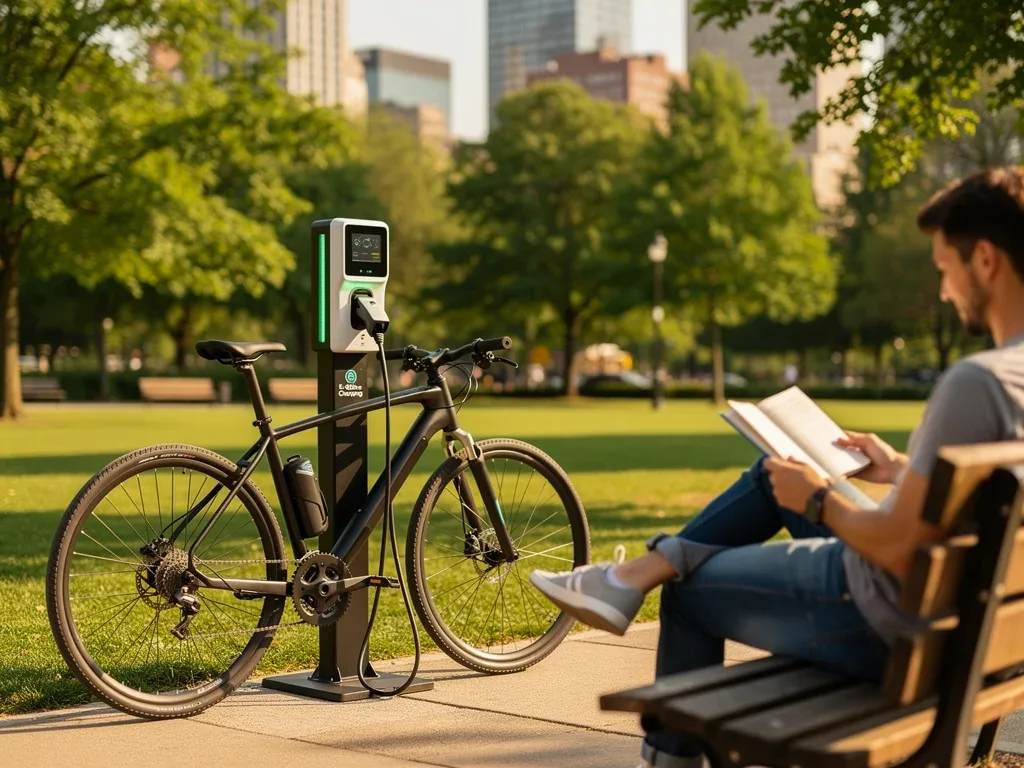
Beyond these, we’re seeing innovations in suspension systems optimized for urban terrain, flat-resistant tires, and ergonomically designed components for maximum comfort. The combination of these integrated features and smart technologies makes urban electric bikes not just a mode of transport, but a connected and intelligent companion for city living, addressing the practical needs of commuters and recreational riders alike.
Choosing the right urban electric bike for your U.S. lifestyle
Selecting the ideal urban electric bike in the U.S. market for 2026 involves more than just looking at specs; it requires a thoughtful consideration of your individual lifestyle, commuting habits, and urban environment. The best e-bike for one person might not be the best for another, as factors like terrain, storage, and daily usage play a significant role.
First, assess your typical commute. Is it flat or hilly? How long is the distance? A longer, hillier commute will demand a more powerful motor and a larger battery for extended range. If your route is mostly flat and short, a lighter, less powerful model might suffice, saving you money and making the bike easier to carry if needed. Consider the type of roads you’ll be riding on – smooth pavement, bike paths, or occasionally rougher urban streets. This will influence your need for suspension and tire type.
Key considerations for urban riders
- Motor type and power: Mid-drive for hills and a natural feel; hub motor for simplicity and affordability.
- Battery range: Match the range to your daily commute plus a buffer for spontaneity.
- Bike style: Upright for comfort, sportier for agility, or folding for portability.
- Integrated features: Lights, fenders, racks, and smart connectivity enhance urban utility.
- Security: Look for integrated locks and GPS tracking if theft is a concern in your area.
Think about where you’ll store your bike. If space is limited in your apartment or office, a folding e-bike could be a game-changer. If you plan to carry groceries or other items, a model with integrated racks or cargo-specific design will be essential. Test riding different models is highly recommended, as the feel of a bike can be very personal. Pay attention to comfort, handling, and how intuitive the pedal assist system feels. Talking to local bike shop experts can also provide invaluable insights tailored to your specific urban area and needs.
Ultimately, the right urban electric bike is one that seamlessly integrates into your daily life, making your urban journeys more enjoyable, efficient, and sustainable. By carefully evaluating your needs against the diverse offerings of 2026, you can find a model that truly enhances your U.S. urban lifestyle.
| Key Feature | Description |
|---|---|
| Motor Power | Determines acceleration and hill-climbing ability, typically 250W-750W in urban models. |
| Battery Range | Crucial for distance covered; varies greatly with battery size (Wh) and usage. |
| Pedal Assist Systems | Offers adjustable motor assistance, from Eco to Turbo, for varied effort and terrain. |
| Integrated Features | Includes lights, racks, GPS, and smart connectivity for enhanced safety and convenience. |
Frequently asked questions about urban electric bikes
What is the average range of an urban electric bike in 2026?▼In 2026, the average range for urban electric bikes is typically between 30 to 70 miles on a single charge. This can vary based on battery capacity (Wh), terrain, rider weight, and the level of pedal assist used during the ride. Some premium models can even exceed this range.
Are urban electric bikes legal in all U.S. cities?▼Electric bike laws vary by state and sometimes by municipality in the U.S. Most states classify e-bikes into classes (1-3) based on motor wattage and top assisted speed. It’s crucial to check local regulations regarding where each class of e-bike can be ridden, especially on bike paths and trails.
What are the benefits of a mid-drive motor versus a hub motor for urban riding?▼Mid-drive motors offer better weight distribution, a more natural pedal feel, and are generally more efficient for climbing hills. Hub motors, on the other hand, are typically more affordable, simpler in design, and can provide a direct power boost, making them suitable for flatter urban landscapes.
How important is battery capacity (Wh) for an urban electric bike?▼Battery capacity, measured in Watt-hours (Wh), is very important as it directly correlates with the bike’s potential range. A higher Wh rating means a longer range. For urban commuting, choosing a battery capacity that comfortably covers your daily distance plus some extra ensures less frequent charging and reduces range anxiety.
What smart features should I look for in a 2026 urban e-bike?▼Look for integrated GPS navigation, smartphone connectivity for ride tracking and motor customization, robust anti-theft systems (like GPS tracking and remote locking), and advanced lighting systems. These features significantly enhance safety, convenience, and the overall modern riding experience in an urban setting.
Conclusion
The 2026 market for urban electric bikes in the U.S. showcases an impressive blend of technological innovation, practical design, and enhanced performance. From the robust Commuter Cruiser 5000 to the agile Urban Explorer Xpress, the utilitarian Cargo Haul Master, and the portable Folding Compact Commuter, there is an e-bike tailored for virtually every urban need and preference. The continuous advancements in motor efficiency, battery range, and smart integrated features underscore the electric bike’s pivotal role in shaping the future of sustainable and efficient urban mobility. As cities become more bike-friendly and technology continues to evolve, these leading models exemplify the exciting trajectory of personal transportation, offering U.S. residents a powerful, enjoyable, and environmentally conscious way to navigate their urban landscapes.