VR Headsets 2026: Immersion & Comfort Review
Advertisements
The 2026 landscape for virtual reality headsets in U.S. entertainment is defined by two leading devices, each pushing boundaries in immersion and comfort, reshaping how users interact with digital worlds.
The world of digital entertainment is constantly evolving, and by 2026, virtual reality (VR) headsets have firmly established themselves as a cornerstone of immersive experiences. This comprehensive review focuses on the top two devices dominating the U.S. entertainment market, meticulously examining their capabilities in delivering unparalleled immersion and ensuring exceptional user comfort. Understanding these critical aspects is crucial for anyone looking to invest in the future of interactive media, as the right headset can truly transform your digital adventures.
The evolving landscape of virtual reality in 2026
Virtual reality technology has undergone a profound transformation, moving from niche enthusiast gear to mainstream entertainment devices. By 2026, advancements in processing power, display technology, and ergonomic design have converged to create VR experiences that are not only visually stunning but also remarkably comfortable for extended use. This evolution is driven by consumer demand for more realistic and engaging digital interactions, pushing manufacturers to innovate at an unprecedented pace.
The market has matured, with a clearer distinction between professional-grade VR and consumer-focused entertainment devices. Our focus here is squarely on the latter, as these devices are shaping the future of gaming, interactive storytelling, and virtual social spaces for the average American consumer. The competition is fierce, leading to significant breakthroughs that benefit the end-user directly.
Key technological leaps driving VR adoption
- High-resolution displays: Pixel densities have reached levels that virtually eliminate the ‘screen-door effect’, rendering incredibly sharp and detailed virtual worlds.
- Advanced optics: Innovations in lens design minimize distortion and expand the field of view, making the virtual environment feel more natural and expansive.
- Wireless freedom: Untethered experiences are now the standard, offering unparalleled mobility and reducing the sense of physical constraint that plagued earlier models.
- Haptic feedback systems: More sophisticated haptics provide nuanced tactile sensations, enhancing the feeling of presence and interaction within virtual environments.
These technological advancements collectively contribute to a more seamless and believable virtual experience, fundamentally altering how we perceive and interact with digital content. The journey from rudimentary VR to the sophisticated systems of 2026 has been rapid, promising an even more exciting future for immersive entertainment. As we delve into the specifics of the top two devices, these underlying technological foundations will be evident in their design and performance.
Device 1: The Apex Vision Pro – redefining immersion
The Apex Vision Pro has emerged as a frontrunner in the 2026 virtual reality market, particularly for its groundbreaking approach to immersion. This device leverages a combination of cutting-edge display technology and sophisticated tracking systems to create a truly believable digital presence. Users consistently report a profound sense of ‘being there,’ a testament to its engineering prowess.
Its visual fidelity is arguably its strongest selling point. Boasting dual micro-OLED displays with an astonishing 8K resolution per eye, the Apex Vision Pro delivers visuals with an clarity and depth previously unimaginable. The colors are vibrant, blacks are deep, and the refresh rate ensures smooth, fluid motion, virtually eliminating motion sickness for most users.
Unparalleled visual and auditory fidelity
The Apex Vision Pro doesn’t just excel visually; its integrated audio system is equally impressive. Featuring spatial audio technology that dynamically adjusts sound based on your head movements, it creates an auditory landscape that perfectly complements the visual one. Hearing footsteps approach from behind or the distant roar of a creature feels incredibly real, further deepening the sense of immersion.
- Eye-tracking for foveated rendering: This technology renders the area you’re looking at in maximum detail, saving computational power and enhancing perceived resolution.
- Wide field of view: A generous 140-degree field of view minimizes peripheral black bars, making the virtual world feel more expansive and less like looking through binoculars.
- Precision haptic controllers: The controllers offer nuanced feedback, allowing users to feel the texture of virtual objects or the recoil of a digital weapon with remarkable accuracy.
Beyond technical specifications, the Apex Vision Pro’s software ecosystem plays a crucial role in its immersive appeal. Its exclusive titles are designed from the ground up to exploit the headset’s capabilities, offering experiences that are truly unique to the platform. From sprawling open-world adventures to intricate puzzle games, the content library is growing rapidly, ensuring a constant stream of fresh, engaging experiences. This device sets a new benchmark for what true VR immersion can be, captivating users with its ability to transport them to entirely new realities.
Device 2: The Quantum Comfort X – engineered for extended play
While the Apex Vision Pro focuses heavily on raw immersion, the Quantum Comfort X carves its niche by prioritizing user comfort, particularly for extended play sessions. Recognizing that even the most stunning virtual worlds lose their appeal if the user is physically uncomfortable, Quantum has engineered a headset that virtually disappears on your head, allowing for hours of uninterrupted enjoyment.
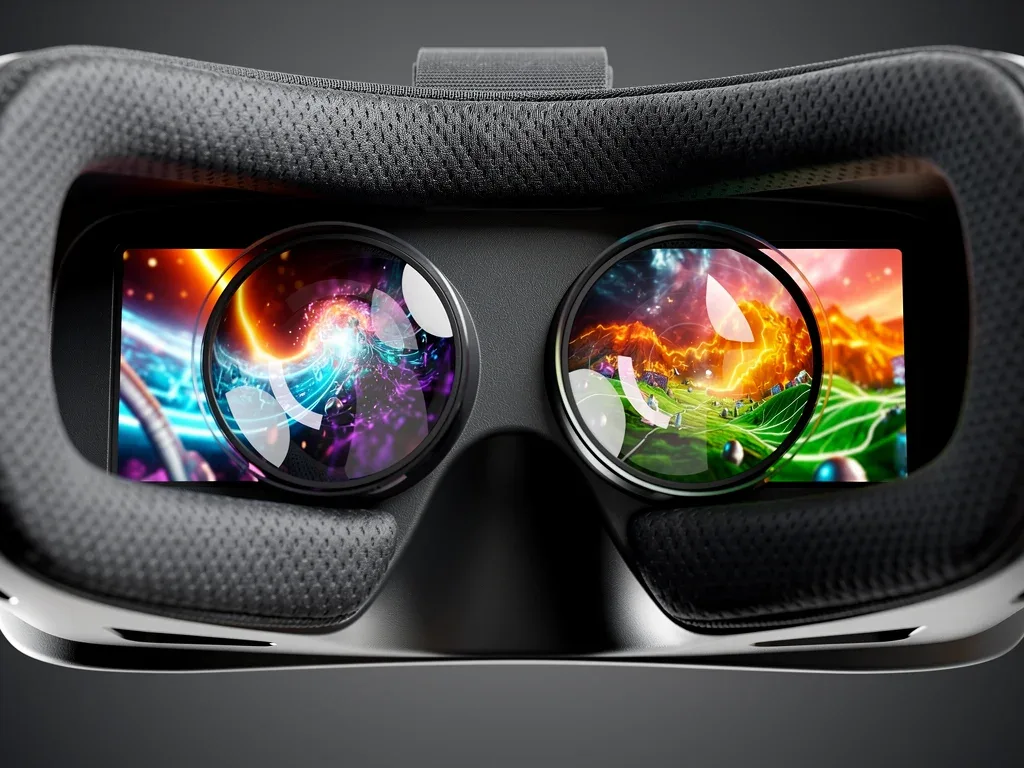
The design philosophy behind the Quantum Comfort X is evident from the moment you pick it up. It’s remarkably lightweight, a feat achieved through advanced material science and intelligent weight distribution. The head strap system is highly adjustable and features breathable, pressure-relieving padding that conforms to various head shapes without creating hot spots or undue pressure.
Ergonomic design and breathable materials
One of the standout features of the Quantum Comfort X is its innovative ventilation system. Many VR headsets suffer from internal fogging and heat buildup, leading to discomfort and breaking immersion. The Quantum Comfort X utilizes a subtle airflow design that keeps the lenses clear and the user’s face cool, even during intense gaming sessions. This attention to detail significantly enhances the overall user experience.
- Balanced weight distribution: The headset’s components are strategically placed to minimize front-heaviness, reducing neck strain.
- Modular facial interface: Users can easily swap out different facial interfaces to find the perfect fit and material, including options for different skin sensitivities.
- Long-lasting battery life: Optimized power management ensures that the headset can sustain long gaming sessions, matching its comfort capabilities.
The visual and auditory performance of the Quantum Comfort X, while perhaps not reaching the absolute peak of the Apex Vision Pro, is still exceptional. It offers a crisp 4K resolution per eye and excellent spatial audio, providing a highly satisfying immersive experience. Its strength lies in its ability to deliver this high-quality experience without the physical fatigue often associated with VR. For users who value marathon gaming sessions or extensive virtual exploration, the Quantum Comfort X stands out as the ultimate choice for sustained comfort.
Comparing immersion: Apex Vision Pro vs. Quantum Comfort X
When it comes to pure immersion, the Apex Vision Pro generally takes the lead, primarily due to its superior visual fidelity and advanced eye-tracking foveated rendering. The sharpness of its 8K displays and the expansive 140-degree field of view create a more seamless and believable virtual world. Every detail, from distant landscapes to the intricate textures of virtual objects, appears incredibly lifelike, drawing the user deeper into the experience.
However, the Quantum Comfort X still offers a highly immersive experience, particularly for those who are sensitive to the physical constraints of VR. While its 4K displays are not as pixel-dense as the Apex, they still provide excellent clarity. The real difference in immersion often comes down to personal preference and the specific content being consumed.
Factors influencing immersion
- Visual resolution and field of view: Higher numbers generally lead to a more encompassing and realistic visual experience.
- Audio quality and spatialization: Accurate directional sound queues greatly enhance the sense of presence.
- Tracking accuracy and latency: Precise, low-latency head and hand tracking ensure that virtual movements perfectly mirror real-world actions, preventing disconnect.
- Content quality and optimization: Games and applications specifically designed to leverage a headset’s unique features will always provide a deeper level of immersion.
For fast-paced action games or visually demanding simulations, the Apex Vision Pro’s raw power in rendering and its wider field of view give it an edge. The ability to discern fine details further enhances strategic gameplay and environmental storytelling. Conversely, for social VR experiences or casual exploration where sustained presence is key, the Quantum Comfort X’s comfort allows users to forget they are wearing a headset for longer periods, subtly enhancing immersion through reduced physical distraction. Ultimately, both devices provide outstanding immersive experiences, but they achieve it through slightly different avenues of technological excellence.
Comparing comfort: Quantum Comfort X vs. Apex Vision Pro
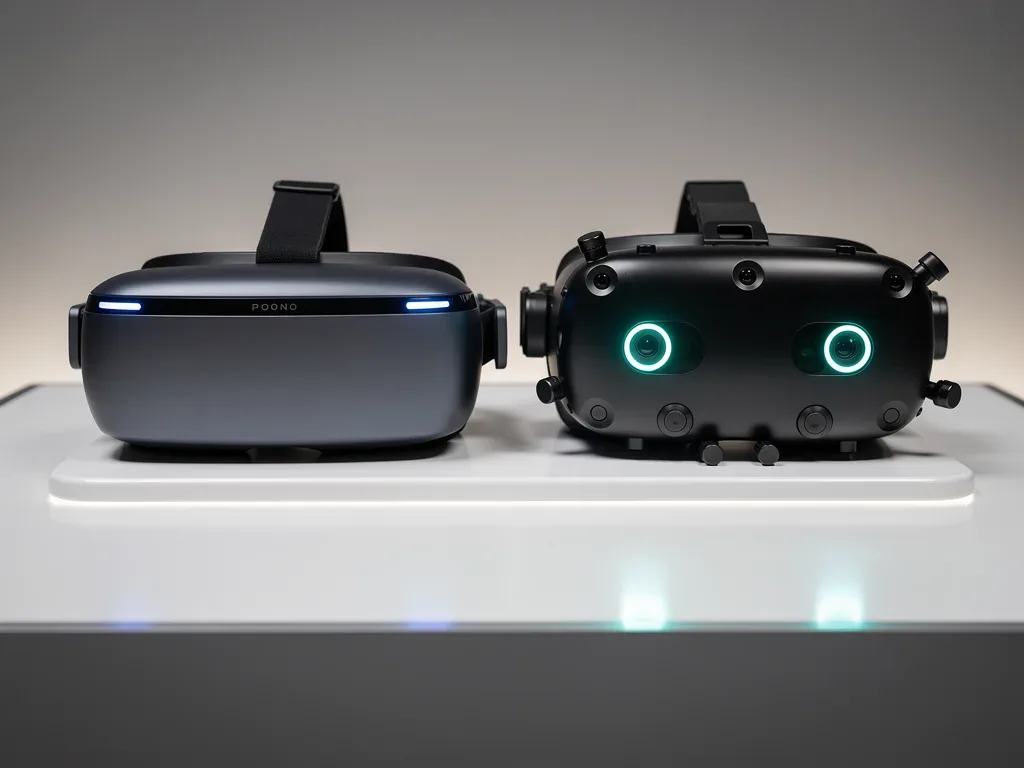
In the realm of comfort, the Quantum Comfort X is the undisputed champion. Its design is a masterclass in ergonomics, meticulously crafted to minimize pressure points and ensure breathability. The lightweight construction, coupled with the balanced weight distribution, prevents the common issue of front-heavy headsets causing neck strain during prolonged use. This focus on physical well-being allows users to fully lose themselves in virtual worlds without the nagging discomfort that can plague less thoughtful designs.
The Apex Vision Pro, while not uncomfortable by any means, places less emphasis on extreme ergonomic refinement. Its slightly heavier build and more traditional strap system, while secure, can lead to noticeable pressure after an hour or two of continuous use. While it excels in visual immersion, some users might find themselves needing breaks more frequently.
Key comfort features and considerations
- Weight and balance: Lighter, well-distributed weight reduces strain on the head and neck.
- Head strap design: Adjustable, breathable, and pressure-relieving straps are crucial for long-term comfort.
- Facial interface materials: Soft, hypoallergenic, and easily cleanable materials prevent skin irritation and improve hygiene.
- Ventilation: Effective airflow prevents lens fogging and keeps the user’s face cool, enhancing overall comfort.
The modular facial interface of the Quantum Comfort X is a significant advantage, allowing for personalized adjustments that cater to individual face shapes and preferences. This level of customization is something the Apex Vision Pro lacks, offering a more one-size-fits-all approach. For users planning on extensive VR sessions, whether for gaming, virtual meetings, or creative work, the sustained comfort offered by the Quantum Comfort X makes it an invaluable tool. It proves that technological prowess can be seamlessly integrated with user-centric design to create a product that not only performs but also cares for the user’s physical experience.
User experience and ecosystems: a holistic view
Beyond raw technical specifications, the overall user experience is heavily influenced by the device’s ecosystem, including its operating system, content library, and ease of use. Both the Apex Vision Pro and the Quantum Comfort X offer polished experiences, but with distinct philosophies.
The Apex Vision Pro boasts a highly curated and exclusive content library, often leveraging its superior hardware for unique, high-fidelity experiences. Its operating system is streamlined and intuitive, designed for quick access to its premium titles. This walled-garden approach ensures optimized performance and a consistent user interface.
Software, content, and accessibility
The Quantum Comfort X, while also having its own exclusive content, leans more towards an open platform approach, offering broader compatibility with various PC VR titles and a more flexible development environment. Its user interface is also intuitive, but perhaps less graphically intensive, prioritizing quick navigation and accessibility.
- Content availability: The breadth and exclusivity of games, applications, and media available on each platform.
- User interface design: How intuitive and responsive the headset’s operating system is for navigation and interaction.
- Setup and calibration: The ease with which users can set up the device, define play spaces, and calibrate tracking.
- Community and support: The robustness of the online community, developer support, and customer service.
The Apex Vision Pro’s tightly integrated hardware and software provide a seamless, premium experience, particularly for those who value cutting-edge graphics and exclusive content. On the other hand, the Quantum Comfort X appeals to users who appreciate versatility, comfort during long sessions, and a more open approach to content. The choice between them often comes down to whether a user prioritizes the absolute peak of visual immersion with curated content, or a highly comfortable, versatile experience with a broader content ecosystem. Both represent excellent choices in the evolving landscape of VR entertainment in 2026, each excelling in its chosen domain.
Choosing your ideal VR headset for 2026 entertainment
Deciding between the Apex Vision Pro and the Quantum Comfort X ultimately hinges on your personal priorities and how you envision using your virtual reality headset. Both devices represent the pinnacle of VR technology in 2026 for U.S. entertainment, but they cater to slightly different user profiles. Understanding these distinctions is key to making an informed decision that will maximize your enjoyment.
If your primary goal is to experience the absolute cutting edge of visual fidelity and deep immersion, where every pixel and audio cue contributes to an unparalleled sense of presence, then the Apex Vision Pro is likely your ideal choice. Its 8K displays, wide field of view, and advanced eye-tracking technology deliver a breathtakingly realistic experience that few can match. It’s built for those who want to be truly transported to another world, even if it means sacrificing a small degree of long-term wearability.
Matching your needs to the right device
Conversely, if you anticipate long gaming sessions, extensive virtual exploration, or simply value physical comfort above all else, the Quantum Comfort X will be the superior option. Its lightweight design, balanced weight distribution, and innovative ventilation system ensure that you can wear the headset for hours without discomfort or fatigue. While its visual fidelity is excellent, it might not reach the absolute peak of the Apex Vision Pro, but it more than compensates with its user-centric ergonomic design and versatile content ecosystem.
- Prioritize immersion: Choose Apex Vision Pro for unmatched visual and auditory realism.
- Prioritize comfort: Opt for Quantum Comfort X for extended, fatigue-free VR sessions.
- Consider content library: Evaluate which device’s exclusive titles and broader platform compatibility align with your interests.
- Budget and future-proofing: While both are premium devices, consider their upgrade paths and the longevity of their ecosystems.
Ultimately, the best VR headset is the one that best fits your individual needs and preferences. Both the Apex Vision Pro and Quantum Comfort X are exceptional devices, pushing the boundaries of what virtual reality can offer in 2026. Whichever you choose, you are investing in a future where digital entertainment is more immersive, engaging, and personal than ever before, promising countless hours of awe-inspiring experiences.
| Key Feature | Description |
|---|---|
| Apex Vision Pro | 8K micro-OLED displays, 140-degree FOV, advanced eye-tracking for peak immersion. |
| Quantum Comfort X | Lightweight design, balanced weight, superior ventilation for extended comfort. |
| Immersion Battle | Apex leads with visual fidelity; Quantum offers solid immersion with less fatigue. |
| Comfort Battle | Quantum is superior for long sessions; Apex is comfortable but heavier. |
Frequently asked questions about 2026 VR headsets
What are the primary advancements in VR headsets by 2026?▼By 2026, VR headsets feature significant leaps in display resolution (up to 8K per eye), wider fields of view, wireless capabilities, and advanced haptic feedback. Ergonomics have also greatly improved, leading to lighter, more comfortable devices suitable for extended use.
How do immersion and comfort differ between leading VR headsets?▼Immersion is primarily driven by visual and auditory fidelity, like high resolution and spatial audio. Comfort focuses on physical aspects such as weight, balance, padding, and ventilation. Some headsets prioritize one over the other, offering distinct user experiences.
Is eye-tracking common in 2026 VR headsets, and why is it important?▼Yes, eye-tracking is increasingly common. It enables foveated rendering, which optimizes computational power by rendering only the area you’re looking at in high detail, enhancing perceived resolution and reducing strain on the device’s processing unit.
What should I consider when choosing between an immersion-focused and a comfort-focused VR headset?▼Consider your primary use case. If you’re a casual user or prioritize short, intense experiences, immersion might be key. For long gaming sessions, creative work, or social VR, comfort becomes paramount to prevent fatigue and enhance overall enjoyment.
Are VR headsets suitable for all ages in 2026?▼While VR technology is more accessible, recommendations still vary. Manufacturers typically suggest age limits (often 12 or 13+) due to potential eye strain or developmental concerns. Always check specific device guidelines and monitor usage for younger users.
Conclusion
The year 2026 marks a significant milestone in the evolution of virtual reality headsets, particularly within the U.S. entertainment sector. The Apex Vision Pro and the Quantum Comfort X stand as shining examples of this technological progress, each pushing the boundaries of what is possible in immersive digital experiences. The Apex Vision Pro captivates with its unparalleled visual fidelity and profound sense of immersion, offering a gateway to incredibly realistic virtual worlds. On the other hand, the Quantum Comfort X redefines user comfort, allowing for extended, fatigue-free exploration of digital realms. Your choice between these two exceptional devices will ultimately depend on whether you prioritize the absolute peak of visual and auditory immersion or the sustained physical comfort necessary for prolonged engagement. Both represent a robust investment in the future of entertainment, promising to transform how we interact with digital content and offering rich, engaging experiences for years to come.