2026 Global Energy Market: Critical Changes for U.S. Businesses
Advertisements
The 2026 global energy market faces two critical changes—geopolitical realignments and accelerated decarbonization—demanding strategic adaptation from U.S. businesses to secure future competitiveness and operational resilience.
The global energy landscape is perpetually in flux, but the year 2026 is poised to bring forth particularly profound shifts. For U.S. businesses, understanding the 2026 global energy market and its two most critical changes is not merely an academic exercise but a strategic imperative for survival and growth in an increasingly volatile world.
The Geopolitical Chessboard: Reshaping Energy Alliances
The first critical change impacting the 2026 global energy market is the ongoing and accelerating geopolitical realignment. Traditional energy supply chains and alliances are being re-evaluated, leading to new partnerships and potential friction points that directly influence energy availability and pricing for U.S. businesses.
The shifting sands of international relations mean that energy security is no longer just about securing physical resources but also about diversifying sources and building resilient networks. This dynamic environment necessitates a proactive approach from companies to anticipate and mitigate risks.
Diversification of Supply Chains and Strategic Reserves
As nations prioritize energy independence and reduce reliance on historically dominant suppliers, U.S. businesses will encounter both opportunities and challenges. The push for diversified supply chains is creating new markets and investment avenues, but also introducing complexities in logistics and regulatory compliance.
- Exploring new international partnerships for energy imports and technology.
- Investing in domestic energy production capabilities, including unconventional sources.
- Strengthening strategic petroleum and natural gas reserves to buffer against shocks.
- Developing resilient infrastructure to withstand geopolitical disruptions.
Impact of Regional Conflicts and Trade Wars
Regional conflicts and escalating trade wars have a direct and often immediate impact on global energy prices and supply routes. Businesses must develop robust contingency plans to navigate potential disruptions caused by such events, which can quickly turn stable markets volatile.
The interconnectedness of the global economy means that a conflict in one region can send ripple effects through energy markets worldwide. U.S. businesses need to monitor these developments closely, understanding how they might affect their operational costs and supply stability.
In conclusion, the geopolitical landscape in 2026 will be characterized by a more fragmented yet interconnected energy market. U.S. businesses must adapt by enhancing their risk assessment frameworks, diversifying energy sourcing, and advocating for stable international energy policies to ensure continuity and competitiveness.
The Decarbonization Imperative: Accelerating the Energy Transition
The second critical change is the relentless and accelerating global push towards decarbonization. This imperative is driven by increasing climate change concerns, technological advancements, and evolving consumer and investor demands. For U.S. businesses, this means a fundamental shift in energy consumption, production, and investment strategies.
The transition to a low-carbon economy is not a distant future but a present reality that is reshaping industries from manufacturing to transportation. Businesses that fail to adapt risk obsolescence, while those that embrace it can unlock significant competitive advantages.
Renewable Energy Dominance and Grid Modernization
By 2026, renewable energy sources like solar, wind, and hydropower are expected to play an even more dominant role in the global energy mix. This shift requires substantial investment in grid modernization to handle intermittent renewable generation and ensure reliability.
U.S. businesses will find increasing pressure and incentives to transition to renewable energy sources for their operations. This includes direct procurement, investing in on-site generation, and participating in green energy markets.
- Increased corporate power purchase agreements (PPAs) for renewable energy.
- Development of advanced energy storage solutions to balance grid fluctuations.
- Deployment of smart grid technologies for optimized energy distribution.
- Government incentives and regulations favoring renewable energy adoption.
Emergence of New Energy Technologies and Markets
Beyond established renewables, 2026 will see the continued emergence and scaling of new energy technologies, such as advanced nuclear, green hydrogen, and carbon capture utilization and storage (CCUS). These innovations will create entirely new markets and business models.
Companies that invest early in understanding and adopting these technologies can position themselves as leaders in the new energy economy. This requires a willingness to innovate and a strategic vision for long-term sustainability.
Ultimately, the decarbonization imperative is transforming the energy sector at an unprecedented pace. U.S. businesses must integrate sustainability into their core strategies, embrace new energy technologies, and contribute to a greener economy to thrive in the evolving global energy market.
Economic Implications for U.S. Industries
The two critical changes in the 2026 global energy market—geopolitical realignments and accelerated decarbonization—have profound economic implications for various U.S. industries. These shifts will redefine operational costs, competitive landscapes, and investment priorities across sectors.
Industries heavily reliant on traditional fossil fuels face significant challenges, including higher compliance costs and pressure from investors. Conversely, sectors involved in renewable energy, energy efficiency, and related technologies are poised for substantial growth.
Manufacturing and Supply Chain Resilience
U.S. manufacturing businesses will need to re-evaluate their energy consumption patterns and supply chain vulnerabilities. Rising energy costs due to geopolitical instability or carbon pricing mechanisms can erode profit margins if not properly managed.
Investing in energy-efficient machinery and diversifying material sourcing will become crucial. The move towards localized production, or ‘reshoring,’ could also gain momentum to mitigate global supply chain risks and reduce transportation-related emissions.
- Implementing energy management systems to optimize consumption.
- Exploring circular economy principles to reduce waste and energy input.
- Collaborating with suppliers to ensure a stable and sustainable energy footprint.
- Adapting production processes to utilize lower-carbon energy sources.
Transportation and Logistics Sector Adjustments
The transportation and logistics sector, a major consumer of fossil fuels, will undergo significant transformations. The push for decarbonization will accelerate the adoption of electric vehicles (EVs), hydrogen fuel cells, and sustainable aviation fuels (SAFs).
This transition requires substantial infrastructure development, including charging networks and hydrogen fueling stations. Businesses in this sector must invest in new fleets and technologies to remain competitive and meet evolving environmental regulations.
The economic implications of these energy market shifts are far-reaching. U.S. industries must proactively assess their exposure to energy price volatility and carbon risks, while simultaneously identifying and capitalizing on opportunities arising from the green economy transition. Strategic foresight will be key to navigating these complex economic currents.
Technological Innovation: Driving the Energy Future
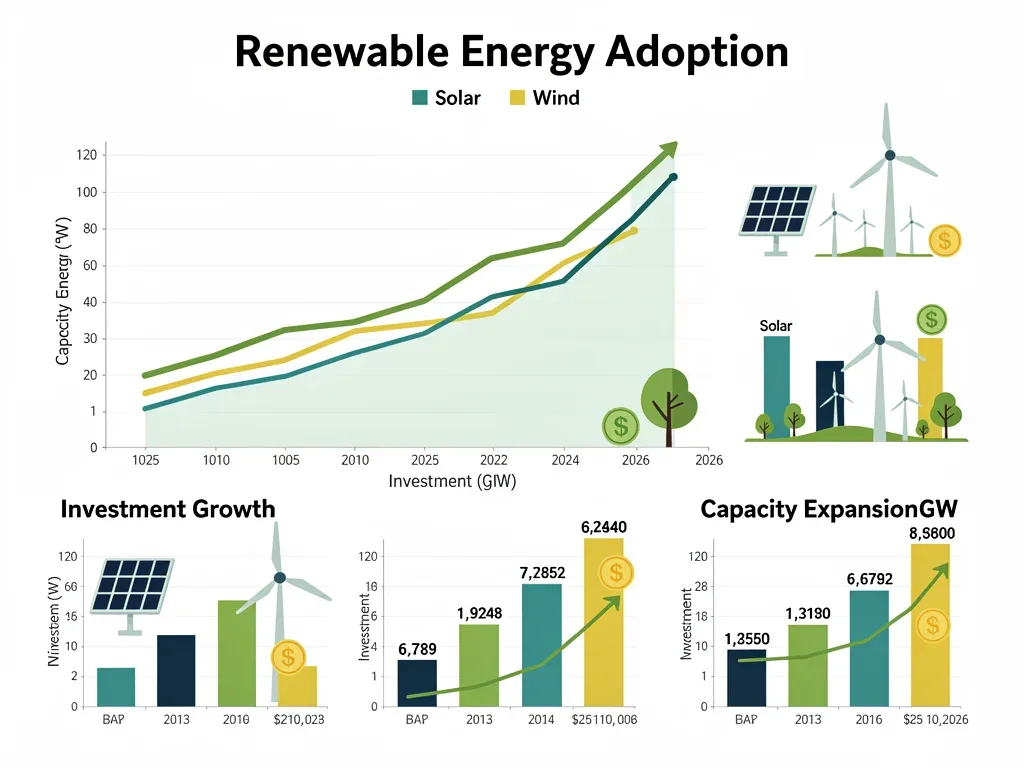
Technological innovation is at the heart of navigating the complexities of the 2026 global energy market. Advances in renewable energy, energy storage, and smart grid technologies are not only making decarbonization feasible but also creating new avenues for efficiency and resilience for U.S. businesses.
The pace of innovation in the energy sector is accelerating, offering solutions to challenges that were once considered insurmountable. Businesses that embrace and invest in these technologies will be better positioned for future success.
Breakthroughs in Energy Storage Solutions
One of the most significant technological advancements is in energy storage. Improved battery technologies, including solid-state and flow batteries, are making renewable energy more reliable by storing excess power for times of high demand or low generation. This is crucial for grid stability.
For businesses, enhanced energy storage means greater energy independence, reduced reliance on peak grid pricing, and improved resilience against power outages. It also enables more effective integration of intermittent renewable sources.
- Deployment of utility-scale battery storage projects to support grid stability.
- Increased adoption of behind-the-meter battery systems for commercial and industrial use.
- Research and development into alternative storage methods like compressed air and thermal storage.
- Integration of vehicle-to-grid (V2G) technologies using EV batteries.
Digitalization and Smart Energy Management
The digitalization of energy systems, coupled with advancements in artificial intelligence (AI) and the Internet of Things (IoT), is revolutionizing how energy is produced, distributed, and consumed. Smart grids can optimize energy flow, predict demand, and identify inefficiencies.
U.S. businesses can leverage these digital tools to gain granular insights into their energy consumption, automate energy management, and participate in demand-response programs, leading to significant cost savings and reduced environmental impact.
In essence, technological innovation acts as a catalyst for change in the energy market. U.S. businesses must actively participate in this innovation cycle, whether through direct investment, strategic partnerships, or early adoption, to harness the full potential of emerging energy solutions and stay ahead of the curve.
Policy and Regulatory Frameworks: Shaping Business Decisions
The evolving policy and regulatory frameworks, both domestically and internationally, will significantly shape how U.S. businesses operate within the 2026 global energy market. Government incentives, carbon pricing mechanisms, and international climate agreements will dictate investment decisions and operational strategies.
Businesses need to stay abreast of these policy changes to ensure compliance, leverage available support, and strategically plan for future regulatory environments. Failure to do so can result in financial penalties or missed opportunities.
U.S. Federal and State Initiatives
At the federal level, policies promoting renewable energy deployment, energy efficiency, and carbon reduction will continue to influence business decisions. State-level initiatives, often more aggressive, can create regional variations in energy costs and opportunities.
Understanding the patchwork of incentives, mandates, and tax credits available at different governmental levels is crucial for businesses looking to invest in cleaner energy or improve their environmental footprint.
- Investment tax credits (ITCs) and production tax credits (PTCs) for renewable energy projects.
- State-specific renewable portfolio standards (RPS) driving demand for clean energy.
- Regulations on emissions and energy efficiency for industrial processes and buildings.
- Funding opportunities for research and development in advanced energy technologies.
International Climate Agreements and Carbon Markets
International climate agreements, such as the Paris Agreement, and the proliferation of carbon markets globally, will increasingly impact U.S. businesses with international operations or supply chains. These mechanisms aim to put a price on carbon emissions, encouraging decarbonization.
U.S. companies involved in global trade or operating in countries with established carbon markets may face direct costs for their emissions or benefit from trading allowances. This creates a strong incentive to reduce their carbon footprint across their entire value chain.
Ultimately, a deep understanding of the policy and regulatory landscape is indispensable for U.S. businesses navigating the 2026 global energy market. Proactive engagement with policymakers and strategic planning around anticipated regulations will be vital for maintaining a competitive edge and ensuring long-term sustainability.
Investment Strategies: Capitalizing on New Opportunities
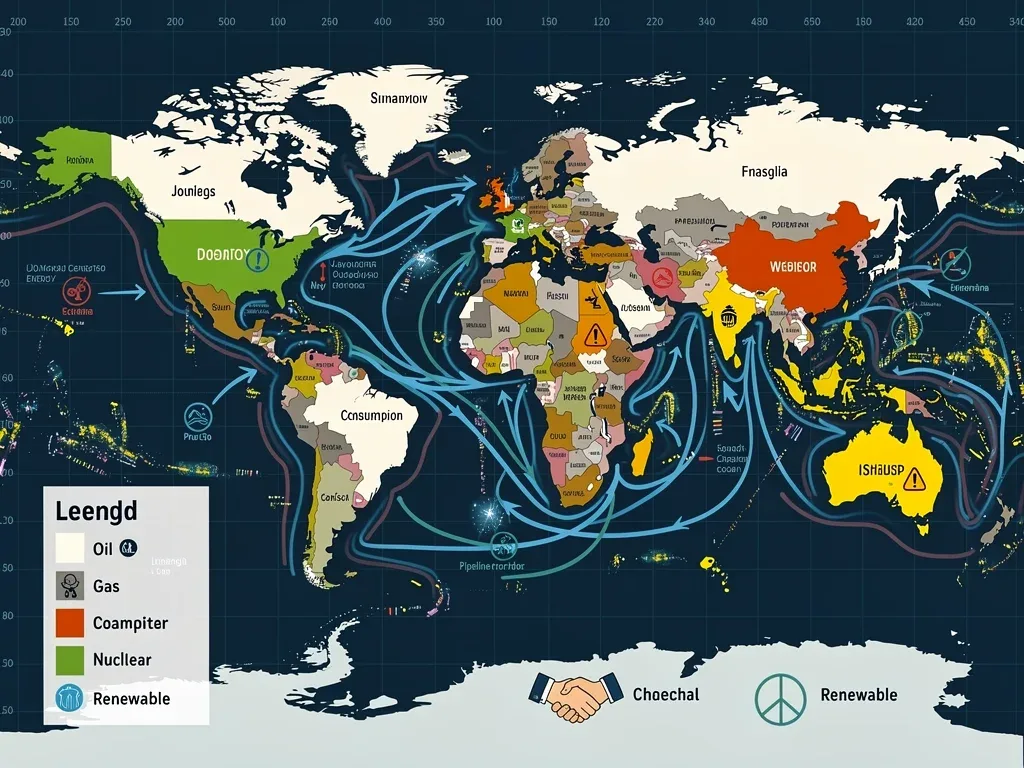
For U.S. businesses, navigating the transformative 2026 global energy market requires not just adaptation but also strategic investment. Identifying and capitalizing on emerging opportunities in renewable energy, energy efficiency, and sustainable technologies will be key to long-term success and profitability.
The shift in the energy paradigm is creating new sectors and expanding existing ones, presenting fertile ground for innovative investment strategies that align with both economic and environmental goals.
Venture Capital and Green Technology Startups
The surge in green technology startups indicates a robust appetite for innovation in the energy sector. Venture capital and private equity firms are increasingly channeling funds into companies developing solutions for renewable energy generation, energy storage, smart grids, and sustainable materials.
U.S. businesses, particularly those in the technology and finance sectors, have an opportunity to invest in or partner with these startups to gain early access to groundbreaking technologies and diversify their portfolios into high-growth areas.
- Funding for advanced solar and wind power generation technologies.
- Investment in companies developing next-generation battery solutions.
- Support for startups focused on green hydrogen production and infrastructure.
- Capital allocation towards carbon capture, utilization, and storage innovations.
Corporate ESG Integration and Sustainable Finance
Environmental, Social, and Governance (ESG) factors are no longer peripheral considerations but central to investment decisions. Investors are increasingly prioritizing companies with strong ESG performance, particularly those demonstrating a commitment to decarbonization.
U.S. businesses can attract more capital by integrating robust ESG strategies, transparently reporting their environmental impact, and aligning their operations with sustainable finance principles. This includes issuing green bonds, seeking sustainable loans, and engaging in impact investing.
In conclusion, the 2026 global energy market offers a wealth of investment opportunities for U.S. businesses willing to embrace the energy transition. By strategically allocating capital towards green technologies and integrating sustainable finance practices, companies can drive innovation, attract investors, and build resilient, future-proof enterprises.
Building Resilience: A Strategic Imperative
In the face of the critical changes defining the 2026 global energy market, building resilience is not merely an option but a strategic imperative for U.S. businesses. This involves developing robust strategies to withstand geopolitical shocks, adapt to rapidly changing energy policies, and leverage technological advancements for sustained operational stability.
Resilience in this context means being agile enough to pivot when market conditions change, diversified enough to absorb disruptions, and innovative enough to find new pathways to efficiency and sustainability.
Diversifying Energy Sources and Enhancing Efficiency
A key aspect of building resilience is diversifying energy sources. Relying on a single energy type or supplier exposes businesses to significant risks. Integrating a mix of traditional and renewable energy sources, along with exploring on-site generation, can significantly enhance energy security.
Simultaneously, enhancing energy efficiency across all operations reduces overall energy demand, making businesses less vulnerable to price fluctuations and supply disruptions. This includes optimizing industrial processes, upgrading infrastructure, and adopting smart energy management systems.
- Implementing microgrids for localized energy independence.
- Investing in energy-efficient building designs and retrofits.
- Exploring combined heat and power (CHP) systems for industrial applications.
- Conducting regular energy audits to identify and address inefficiencies.
Strategic Partnerships and Collaboration
No single business can navigate the complexities of the 2026 global energy market alone. Forming strategic partnerships with energy providers, technology developers, research institutions, and even competitors can foster innovation and share risks.
Collaboration can lead to the development of shared infrastructure, pooling of resources for R&D, and collective advocacy for favorable energy policies. These alliances create a stronger, more resilient ecosystem for all involved.
Ultimately, building resilience in the 2026 global energy market demands a holistic approach. U.S. businesses must integrate diversification, efficiency, and collaboration into their core strategies to not only survive but thrive amidst the inevitable changes and challenges of the evolving energy landscape.
| Key Market Shift | Brief Description |
|---|---|
| Geopolitical Realignment | Shifting global power dynamics creating new energy alliances and supply chain vulnerabilities. |
| Decarbonization Imperative | Rapid global transition towards renewable energy and low-carbon solutions, driven by climate goals. |
| Technological Innovation | Advances in energy storage, smart grids, and new clean energy technologies reshaping possibilities. |
| Policy & Regulation | Evolving government incentives, carbon pricing, and international agreements influencing business strategy. |
Frequently Asked Questions About the 2026 Global Energy Market
How will geopolitical shifts specifically impact U.S. energy prices by 2026?▼Geopolitical shifts could lead to increased volatility in U.S. energy prices, particularly for oil and natural gas. Disruptions in major producing regions or trade route blockades can create supply shortages, driving up costs. Diversification of energy sources domestically and internationally will be crucial for price stability.
What are the primary drivers of accelerated decarbonization for U.S. businesses?▼The primary drivers include escalating climate concerns, supportive government policies (incentives, regulations), advances in renewable energy technologies making them more cost-effective, and growing pressure from investors and consumers for sustainable practices. ESG mandates also play a significant role in corporate decarbonization efforts.
What new energy technologies should U.S. businesses monitor for 2026?▼U.S. businesses should closely monitor advancements in battery storage (especially long-duration solutions), green hydrogen production and infrastructure, small modular reactors (SMRs) for nuclear energy, and enhanced carbon capture, utilization, and storage (CCUS) technologies. Digitalization and AI in energy management are also critical.
How can U.S. businesses mitigate risks from energy market volatility?▼Mitigating risks involves diversifying energy supply sources, investing in energy efficiency measures, implementing robust risk management strategies, hedging against price fluctuations, exploring on-site renewable generation, and engaging in corporate power purchase agreements (PPAs) to secure long-term stable energy prices.
What role will policy and regulation play in U.S. business energy strategies?▼Policy and regulation will play a pivotal role, offering incentives for renewable energy adoption and efficiency, while imposing carbon pricing or emissions standards. Businesses must align their strategies with these frameworks to ensure compliance, access funding, and gain a competitive edge in the evolving energy landscape.
Conclusion
The 2026 global energy market presents a complex yet dynamic environment for U.S. businesses, characterized by significant geopolitical shifts and an unwavering drive towards decarbonization. Navigating these two critical changes successfully demands a blend of strategic foresight, technological adoption, and robust risk management. Companies that proactively adapt their energy strategies, invest in sustainable technologies, and build resilient supply chains will be best positioned to thrive amidst the transformations, ensuring not only their own longevity but also contributing to a more stable and sustainable global energy future.