Supply Chain Resilience: US Businesses’ Post-2025 Financial Impact Strategies
Advertisements
US businesses are strategically fortifying their supply chains for the post-2025 era, focusing on diversification, technological integration, and regionalization to minimize financial vulnerabilities and maintain operational stability amidst evolving global challenges.
As the global economic landscape continues its rapid evolution, US businesses are intensely focused on building robust supply chain resilience for the period beyond 2025. The lessons learned from recent disruptions have underscored the critical need for strategies that not only anticipate but also effectively mitigate financial consequences. This proactive approach is reshaping how companies view and manage their intricate networks, moving from a cost-centric model to one that prioritizes adaptability and stability.
Diversifying Supplier Networks for Enhanced Stability
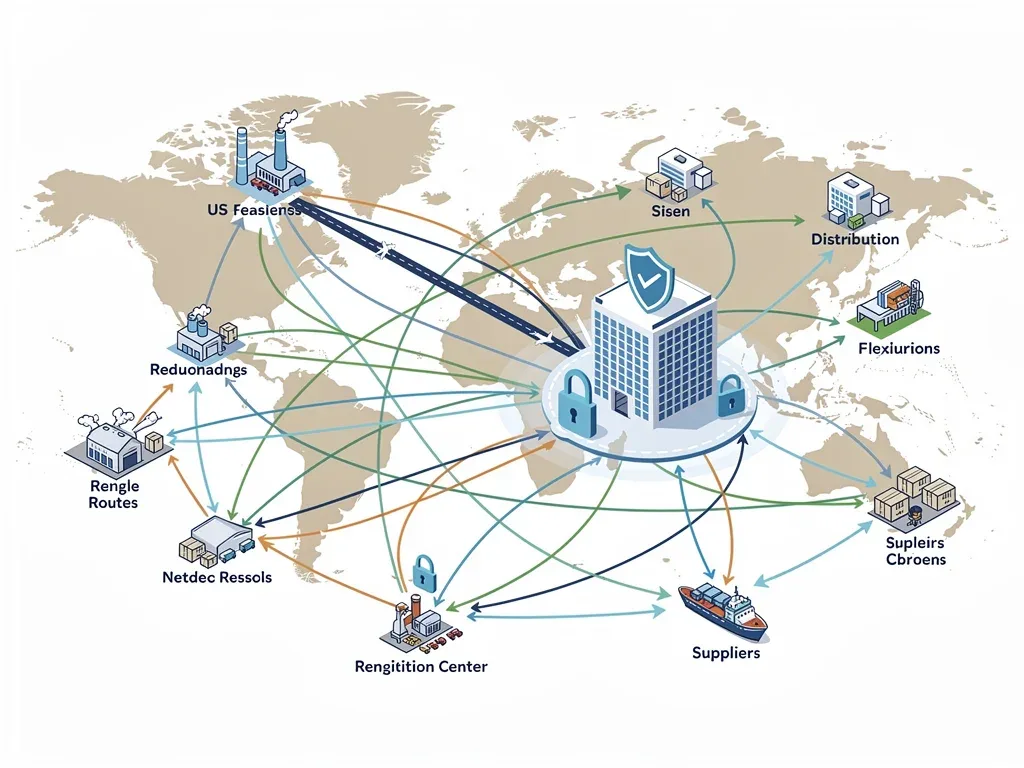
One of the foundational shifts in US business strategy for post-2025 supply chain resilience is the aggressive diversification of supplier networks. This move is a direct response to the vulnerabilities exposed by over-reliance on single-source or geographically concentrated suppliers. The financial implications of such dependencies have proven too significant to ignore, leading companies to seek broader, more distributed sourcing options.
By spreading their sourcing across multiple regions and even different countries, businesses aim to reduce the impact of localized disruptions, whether they stem from natural disasters, geopolitical tensions, or economic downturns. This strategy is not merely about finding alternative suppliers; it involves building a robust ecosystem of partners capable of stepping in when primary channels face challenges. The goal is to create redundancy and flexibility, ensuring that a hiccup in one part of the world does not bring the entire operation to a standstill.
Geographic Spreading and Risk Mitigation
The concept of geographic spreading extends beyond just the number of suppliers; it involves a strategic assessment of regional risks. Companies are now performing more sophisticated analyses to understand the political, environmental, and economic stability of potential sourcing locations. This proactive risk assessment helps in selecting suppliers that are less likely to be simultaneously affected by the same external factors.
- Reduced Single Point of Failure: Minimizing reliance on one supplier or region prevents catastrophic disruptions.
- Access to Diverse Talent Pools: Tapping into different global talent bases can foster innovation and specialized expertise.
- Mitigation of Trade Barrier Impacts: A diversified network can navigate tariffs and trade restrictions more effectively.
- Improved Negotiation Leverage: Multiple suppliers can lead to competitive pricing and better terms.
The financial benefit of this approach is multifaceted. While initial investments in establishing new supplier relationships and managing a more complex network might be higher, the long-term savings from avoided production halts, expedited shipping costs during crises, and maintaining market share far outweigh these upfront expenses. It’s an investment in operational continuity and financial stability, ensuring that revenue streams remain consistent even in turbulent times.
Ultimately, diversifying supplier networks is about building a shock-absorber into the supply chain. It acknowledges that disruptions are inevitable and positions the business to absorb these shocks without severe financial repercussions. This strategic pivot is becoming a non-negotiable aspect of modern supply chain management for US businesses looking to thrive beyond 2025.
Leveraging Advanced Technology and Data Analytics
The second critical strategy US businesses are embracing for post-2025 supply chain resilience is the pervasive adoption of advanced technology and sophisticated data analytics. The era of reactive problem-solving is rapidly fading, replaced by a proactive, data-driven approach designed to predict, prevent, and rapidly respond to disruptions. This technological leap is fundamentally transforming how supply chains are monitored, managed, and optimized, with significant financial implications.
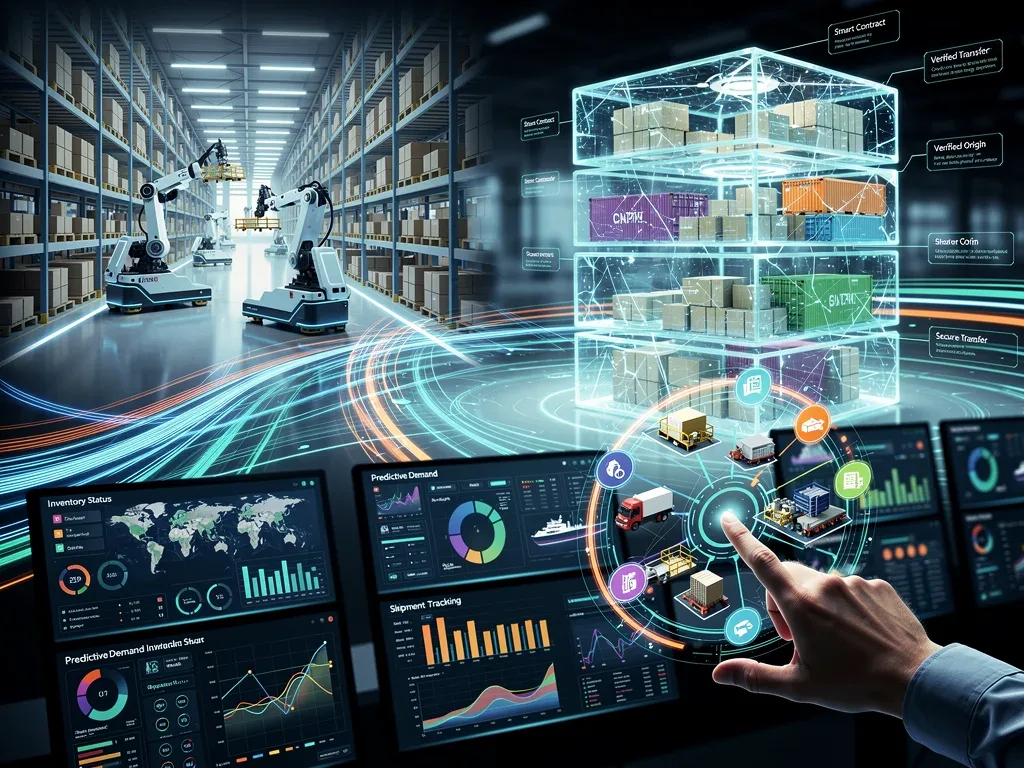
Artificial intelligence (AI), machine learning (ML), blockchain, and the Internet of Things (IoT) are no longer futuristic concepts but essential tools providing unprecedented visibility and control. These technologies enable real-time tracking of goods, predictive analytics for demand forecasting and risk assessment, and automated decision-making that can reroute shipments or activate alternative suppliers at a moment’s notice. The financial impact is profound, leading to reduced waste, optimized inventory levels, minimized delays, and ultimately, enhanced profitability.
Real-time Visibility and Predictive Capabilities
One of the most immediate benefits of technology integration is enhanced visibility across the entire supply chain. IoT sensors track products from manufacturing to delivery, providing continuous data on location, condition, and potential delays. This real-time information feeds into AI and ML algorithms that can then identify patterns, flag potential issues before they escalate, and even suggest optimal solutions.
For instance, predictive analytics can forecast demand fluctuations with greater accuracy, allowing businesses to adjust production schedules and inventory levels to prevent both stockouts and overstocking. This optimization directly impacts working capital by reducing the need for excessive safety stock and minimizing losses from obsolete inventory. The ability to anticipate disruptions, such as port congestions or unexpected weather events, allows for proactive rerouting, avoiding costly delays and customer dissatisfaction.
Automation and Blockchain for Efficiency and Trust
Automation, powered by robotics and AI, is streamlining warehouse operations, improving picking and packing efficiency, and reducing labor costs. Beyond physical automation, process automation in areas like order processing and invoice reconciliation further enhances operational speed and accuracy. These efficiencies contribute directly to the bottom line by lowering operational expenses and accelerating cash flow.
- AI-driven Demand Forecasting: Reduces inventory holding costs and minimizes stockouts.
- Blockchain for Traceability: Enhances transparency and trust, simplifying audits and reducing fraud.
- IoT Sensor Deployment: Provides real-time asset tracking and condition monitoring, preventing spoilage or loss.
- Automated Logistics: Optimizes routes and schedules, cutting transportation costs and delivery times.
Blockchain technology, while still maturing, offers a decentralized and immutable ledger for supply chain transactions. This enhances transparency and traceability, making it easier to verify the origin and authenticity of products, comply with regulations, and resolve disputes. The financial benefits include reduced administrative overhead, improved compliance, and enhanced brand reputation, which can translate into increased customer loyalty and sales.
The investment in these advanced technologies represents a significant capital outlay for many businesses. However, the return on investment comes from the substantial reduction in operational risks, improved efficiency, and the ability to maintain consistent financial performance even in the face of unforeseen challenges. Embracing technology is not just about staying competitive; it’s about building a fundamentally more resilient and financially sound supply chain for the future.
Regionalization and Nearshoring for Supply Chain Control
The third pivotal strategy gaining significant traction among US businesses for post-2025 supply chain resilience is regionalization and nearshoring. This involves bringing production and sourcing closer to home, either within the United States or to neighboring countries. The driving force behind this shift is a desire for greater control, reduced lead times, and diminished exposure to geopolitical and logistical risks associated with distant manufacturing hubs. The financial implications are substantial, impacting everything from transportation costs to inventory management and overall risk exposure.
While globalized supply chains offered cost advantages in the past, recent events have highlighted the hidden costs of long, complex networks. These include extended lead times, higher inventory holding costs, increased vulnerability to shipping disruptions, and a greater carbon footprint. Regionalization aims to mitigate these drawbacks by fostering more localized ecosystems that are inherently more agile and responsive to market changes and unexpected events.
Reduced Lead Times and Inventory Costs
One of the most direct financial benefits of nearshoring is the significant reduction in lead times. Shorter distances mean products can move from manufacturing to market much faster, allowing businesses to respond more rapidly to shifts in consumer demand. This agility reduces the need for large safety stocks, thereby lowering inventory holding costs—a substantial financial drain for many companies.
Furthermore, reduced lead times can lead to fresher products, especially for perishable goods, and a faster introduction of new products to the market, giving businesses a competitive edge. The ability to quickly adapt production volumes to actual demand minimizes the risk of overproduction or understocking, both of which have direct negative impacts on profitability.
Enhanced Control and Risk Mitigation
Bringing production closer to home provides US businesses with greater oversight and control over their manufacturing processes and labor practices. This can lead to improved quality control, easier compliance with regulatory standards, and better protection of intellectual property. The ability to visit and audit facilities more frequently fosters stronger relationships with suppliers and allows for quicker resolution of issues.
- Lower Transportation Costs: Shorter shipping distances directly reduce freight expenses.
- Greater Supply Chain Visibility: Easier to monitor and manage local or regional operations.
- Improved Quality Control: Proximity allows for more frequent inspections and direct oversight.
- Reduced Geopolitical Risk: Less exposure to international trade disputes and political instability.
Moreover, regionalization significantly reduces exposure to geopolitical risks, trade wars, and international shipping disruptions. While global events can still have ripple effects, a more localized supply chain is better insulated from the direct impact of distant crises. This stability translates into more predictable operational costs and a reduced likelihood of costly disruptions that can erode profits.
The initial investment in establishing new regional manufacturing capabilities or relocating existing ones can be substantial. However, the long-term financial benefits of increased reliability, reduced inventory, faster market response, and mitigated risk are compelling. For US businesses looking to build truly resilient supply chains post-2025, regionalization and nearshoring are proving to be financially prudent and strategically sound choices.
Cultivating Collaborative Ecosystems and Partnerships
Beyond individual company strategies, a significant trend emerging for post-2025 supply chain resilience is the cultivation of collaborative ecosystems and strategic partnerships. No single company, regardless of its size or resources, is entirely immune to global disruptions. Recognizing this, US businesses are increasingly forming alliances with other companies, industry consortia, and even government entities to share resources, intelligence, and best practices. This collaborative approach aims to build collective resilience that benefits all participants and strengthens the overall supply chain infrastructure, yielding considerable financial advantages.
These partnerships can take many forms, from joint ventures in logistics infrastructure to data-sharing agreements that enhance predictive capabilities across an entire industry. The underlying principle is mutual support and shared risk, allowing businesses to leverage external strengths and mitigate their own vulnerabilities. The financial impact is seen in shared investment costs, reduced individual risk exposure, and the creation of more robust, interconnected networks that are better equipped to withstand systemic shocks.
Shared Intelligence and Joint Infrastructure
One of the most valuable aspects of collaborative ecosystems is the sharing of intelligence. By pooling data and insights on market trends, potential disruptions, and supplier performance, partners can achieve a more comprehensive and accurate picture of the supply chain landscape. This collective intelligence allows for more informed decision-making and earlier detection of risks, which can prevent costly surprises. For example, a group of companies might share anonymized demand data to better forecast regional needs, optimizing inventory levels for all involved.
Joint investment in infrastructure, such as shared warehousing facilities, transportation networks, or even manufacturing capabilities, can also lead to significant cost savings. Instead of each company building and maintaining its own extensive infrastructure, they can collectively invest in shared assets, reducing individual capital expenditure and improving utilization rates. This collaborative model transforms large, fixed costs into more manageable, shared expenses, improving financial efficiency for all partners.
Building Trust and Standardizing Practices
Successful collaboration hinges on trust and the establishment of common standards and protocols. Companies are working together to standardize data formats, communication channels, and even operational procedures, which streamlines interactions and reduces friction within the ecosystem. This standardization improves efficiency and reduces the likelihood of errors or miscommunications that could lead to costly delays.
- Pooled Resources: Shared investments in logistics or technology reduce individual financial burden.
- Enhanced Risk Sharing: Collective responsibility for disruptions minimizes financial impact on any single entity.
- Industry Best Practices: Collaboration fosters the adoption of superior operational and ethical standards.
- Accelerated Innovation: Shared R&D efforts can lead to faster development of resilient solutions.
Furthermore, these partnerships often extend to joint research and development efforts, particularly in areas related to supply chain technology and sustainable practices. By collaborating on innovation, businesses can accelerate the development and adoption of new solutions that enhance resilience, spread the financial burden of R&D, and ensure that the entire ecosystem remains competitive and forward-thinking. The financial payoff is not just in cost savings but also in the creation of a more stable, innovative, and competitive environment for all participants.
In essence, cultivating collaborative ecosystems is about recognizing that resilience is a shared challenge and a shared opportunity. By working together, US businesses can build stronger, more adaptable supply chains that are better positioned to navigate the complexities of the post-2025 global economy, leading to more consistent financial performance and sustainable growth.
Optimizing Inventory Management through Predictive Analytics
A critical component of post-2025 supply chain resilience for US businesses, with significant financial implications, is the sophisticated optimization of inventory management fueled by predictive analytics. Gone are the days of relying solely on historical data or simple reorder points. Modern businesses are deploying advanced statistical models and machine learning algorithms to forecast demand with unprecedented accuracy, leading to leaner, more efficient, and financially optimized inventory levels.
The goal is to strike a delicate balance: having enough stock to meet customer demand without incurring excessive holding costs or risking obsolescence. This balance is crucial for cash flow, profitability, and overall financial health. Predictive analytics allows companies to move beyond reactive inventory adjustments to a proactive approach, anticipating market shifts, seasonal demands, and even potential supply disruptions well in advance.
Dynamic Demand Forecasting and Stock Level Adjustments
Predictive analytics leverages a vast array of data sources—historical sales, market trends, economic indicators, weather patterns, social media sentiment, and even geopolitical events—to create highly accurate demand forecasts. These forecasts are dynamic, constantly updating as new data becomes available, allowing businesses to adjust their inventory strategies in real-time. This means fewer instances of overstocking, which ties up capital and incurs storage costs, and fewer stockouts, which lead to lost sales and customer dissatisfaction.
The financial benefit is clear: reduced carrying costs, minimized waste from obsolete inventory, and maximized sales opportunities. By having the right product in the right place at the right time, companies can optimize their working capital and improve their overall return on investment. This level of precision was previously unattainable, but with advancements in AI and data processing, it is now a cornerstone of resilient supply chains.
Leveraging Technology for Inventory Visibility and Control
Beyond forecasting, technology plays a crucial role in providing granular visibility into current inventory levels across the entire network. Integrated inventory management systems, often coupled with IoT sensors and RFID tags, offer real-time data on stock quantities, locations, and movement. This holistic view enables businesses to make informed decisions about stock transfers, order fulfillment, and emergency re-sourcing.
- Reduced Safety Stock Requirements: Accurate forecasts allow for lower buffer stock, freeing up capital.
- Minimized Obsolescence Risk: Dynamic adjustments prevent over-ordering of products nearing end-of-life.
- Optimized Warehouse Space: Efficient inventory directly translates to better utilization of storage facilities.
- Improved Cash Flow: Less capital tied up in inventory means more liquid assets for investment.
Furthermore, predictive analytics can also be applied to supplier performance, helping businesses anticipate potential delays or quality issues. This allows for proactive adjustments to purchasing schedules or activation of alternative suppliers, preventing inventory gaps before they occur. The integration of these analytical tools transforms inventory management from a static, cost-center function into a dynamic, strategic asset that actively contributes to financial resilience.
Ultimately, optimizing inventory management through predictive analytics is about building an intelligent, adaptive system that responds to the complexities of the modern market. For US businesses, this means not only weathering future disruptions but also gaining a significant competitive edge through superior financial performance and operational agility.
Embracing Sustainability for Long-Term Resilience and Financial Gains
A burgeoning strategy for US businesses eyeing post-2025 supply chain resilience, with increasingly pronounced financial implications, is the deep integration of sustainability principles. Beyond ethical considerations, sustainable practices are proving to be powerful drivers of long-term financial stability and competitive advantage. This involves re-evaluating sourcing, manufacturing processes, logistics, and even end-of-life product management to minimize environmental impact and foster social responsibility.
The shift towards sustainability is not merely a public relations exercise; it’s a strategic imperative driven by evolving consumer preferences, stricter regulatory environments, and the tangible financial benefits of resource efficiency and waste reduction. Companies that embrace sustainability often find themselves with more resilient supply chains, better brand perception, and access to new markets and investment opportunities.
Resource Efficiency and Waste Reduction
At the core of sustainable supply chains is the relentless pursuit of resource efficiency. This means optimizing the use of raw materials, energy, and water throughout the production and logistics processes. By implementing lean manufacturing techniques, investing in renewable energy, and designing products for circularity (reducing, reusing, recycling), businesses can significantly lower their operational costs.
For example, reducing packaging waste not only lessens environmental impact but also cuts material costs and shipping weight. Similarly, optimizing transportation routes to minimize fuel consumption benefits both the planet and the company’s bottom line. These incremental savings, when scaled across a large supply chain, can translate into substantial financial gains over time, making the supply chain inherently more resilient to fluctuating resource prices.
Regulatory Compliance and Brand Value
The global regulatory landscape is increasingly favoring sustainable practices. Businesses that proactively adopt environmentally and socially responsible supply chain operations are better positioned to meet current and future compliance requirements, avoiding costly fines and legal challenges. This foresight reduces regulatory risk and provides a stable operational environment.
- Reduced Operational Costs: Lower energy consumption and waste lead to direct savings.
- Enhanced Brand Reputation: Appeals to environmentally conscious consumers and investors.
- Mitigated Regulatory Risk: Proactive compliance avoids fines and legal issues.
- Access to Green Financing: Increasingly available capital for sustainable business models.
Moreover, sustainability significantly enhances brand value and consumer loyalty. A growing segment of consumers actively seeks out products from companies with strong environmental and ethical credentials. By demonstrating a commitment to sustainability, businesses can differentiate themselves in crowded markets, attract new customers, and build stronger, more resilient relationships with their existing customer base. This improved brand perception can translate into higher sales volumes and pricing power, directly contributing to financial strength.
Furthermore, investors are increasingly scrutinizing Environmental, Social, and Governance (ESG) factors when making investment decisions. Companies with robust sustainability practices in their supply chains are often viewed as less risky and more forward-thinking, potentially leading to lower capital costs and greater access to investment. Embracing sustainability is not just good for the planet; it is a powerful strategy for building a financially resilient and future-proof supply chain for US businesses post-2025.
Investing in Workforce Development and Human Capital
A strategy that underpins all others for post-2025 supply chain resilience, often overlooked in favor of technological or structural changes, is the critical investment in workforce development and human capital. While automation and AI are transforming logistics, the human element remains indispensable for innovation, problem-solving, and strategic decision-making. US businesses are increasingly recognizing that a highly skilled, adaptable, and engaged workforce is a non-negotiable asset for navigating complex supply chain challenges, with clear financial returns.
This investment goes beyond basic training; it encompasses continuous education, upskilling in new technologies, fostering critical thinking, and promoting a culture of adaptability. The financial impact is evident in reduced errors, increased efficiency, higher employee retention, and the ability to quickly implement new resilient strategies, all of which contribute to a stronger bottom line and sustained competitive advantage.
Upskilling for Digital Transformation and Analytics
As supply chains become more technologically advanced, the demand for workers proficient in data analytics, AI interpretation, and digital platform management skyrockets. Businesses are investing in comprehensive training programs to equip their existing workforce with these essential skills. This includes training in using advanced forecasting software, managing automated warehouse systems, and understanding blockchain-based traceability platforms.
The financial benefit of upskilling the current workforce, rather than constantly seeking new talent, is significant. It reduces recruitment costs, leverages existing institutional knowledge, and fosters employee loyalty. A workforce comfortable with new technologies can more effectively implement and derive value from technological investments, ensuring that the substantial capital spent on AI and IoT yields its full potential in enhancing supply chain resilience.
Fostering Adaptability and Problem-Solving Skills
Beyond technical skills, the volatile nature of global supply chains demands a workforce capable of critical thinking, problem-solving, and rapid adaptation. Companies are investing in training that develops these soft skills, preparing employees to react effectively to unforeseen disruptions, from geopolitical shifts to sudden shifts in consumer behavior. This includes scenario planning exercises, cross-functional team training, and empowering employees to make informed decisions at various levels.
- Reduced Training Costs: Internal upskilling is often more cost-effective than external hiring.
- Increased Operational Efficiency: Skilled workers make fewer errors and optimize processes.
- Higher Employee Retention: Investment in growth leads to greater loyalty and reduced turnover.
- Faster Crisis Response: An adaptable workforce can pivot quickly during disruptions.
The financial return on investing in adaptability is profound. A workforce that can quickly pivot and innovate during a crisis can prevent costly delays, minimize production downtime, and protect revenue streams. High employee retention, a direct outcome of investing in human capital, also reduces the significant costs associated with recruitment, onboarding, and training new staff. Moreover, an engaged and well-trained workforce is often a more innovative one, continually seeking ways to improve processes and enhance resilience.
Ultimately, investing in workforce development and human capital is about creating a dynamic, intelligent core that can drive the supply chain forward. For US businesses looking to build resilience beyond 2025, recognizing their people as their most valuable asset ensures that all other strategies are effectively executed, leading to sustained financial strength and operational excellence.
| Key Strategy | Financial Impact |
|---|---|
| Diversifying Supplier Networks | Reduces single-point-of-failure risk, minimizes disruption costs, and enhances negotiation leverage. |
| Leveraging Advanced Technology | Optimizes inventory, reduces operational costs, provides real-time visibility, and prevents costly delays. |
| Regionalization & Nearshoring | Lowers transportation costs, reduces lead times, minimizes inventory holding, and mitigates geopolitical risks. |
| Workforce Development | Increases efficiency, reduces errors, improves retention, and enables faster crisis response for financial stability. |
Frequently Asked Questions About Supply Chain Resilience
Why is supply chain resilience crucial for US businesses post-2025?▼Supply chain resilience is crucial to mitigate financial risks from global disruptions like pandemics, geopolitical tensions, and natural disasters. It ensures operational continuity, protects revenue streams, and maintains market competitiveness, safeguarding long-term business viability and profitability in an unpredictable future.
How does diversifying supplier networks improve financial stability?▼Diversifying supplier networks reduces reliance on single sources, minimizing the financial impact of localized disruptions. It provides alternative sourcing options, prevents costly production halts, and strengthens negotiation power, leading to more stable operational costs and consistent financial performance.
What role does advanced technology play in financial resilience?▼Advanced technology, including AI and IoT, provides real-time visibility, predictive analytics, and automation. This optimizes inventory, reduces waste, prevents delays, and enhances decision-making, directly leading to lower operational costs, improved cash flow, and sustained profitability amidst disruptions.
What are the financial advantages of regionalization or nearshoring?▼Regionalization or nearshoring reduces transportation costs, shortens lead times, and lowers inventory holding expenses. It also mitigates exposure to geopolitical risks and shipping disruptions, leading to more predictable costs, faster market response, and greater overall financial control for businesses.
How does investing in human capital contribute to supply chain resilience?▼Investing in workforce development ensures skilled personnel can adapt to new technologies and solve complex problems. This increases efficiency, reduces errors, improves employee retention, and enables faster, more effective crisis response, ultimately safeguarding financial stability and operational excellence.
Conclusion
The journey towards robust supply chain resilience for US businesses post-2025 is a multifaceted endeavor, intricately linked to financial stability and long-term viability. The strategic adoption of diversified supplier networks, advanced technological integration, and a deliberate shift towards regionalization and nearshoring are not merely operational adjustments but fundamental pillars designed to withstand an increasingly unpredictable global environment. These strategies, combined with a focus on sustainability and human capital development, collectively form a comprehensive approach that transforms vulnerabilities into opportunities for growth and sustained profitability. By proactively embracing these changes, US businesses are not just preparing for the future; they are actively shaping a more secure, efficient, and financially resilient operational landscape.