
U.S. Immigration Policy in 2026: Geopolitical Ripple Effects and Border Security
The U.S. immigration policy in 2026, particularly its two major border security initiatives, is poised to reshape geopolitical landscapes, influencing international relations, economic stability, and human rights on a global scale.

AI’s Geopolitical Impact: US Military Dominance in 2026
This article examines the significant geopolitical implications of artificial intelligence's rapid advancement by 2026, specifically focusing on its impact on U.S. military dominance and providing a comprehensive 6-month forecast.

U.S. Strategies: Countering Global Disinformation in 2026
In 2026, the United States is intensifying its efforts to counter global disinformation, implementing robust strategies to combat two specific major state-sponsored campaigns threatening democratic processes and international stability through advanced technological and diplomatic approaches.

2026 U.S. Climate Diplomacy: Agreements & Economic Impact
The 2026 U.S. approach to climate diplomacy involves navigating complex international agreements, significantly impacting both domestic and global economies while striving for sustainable environmental solutions.
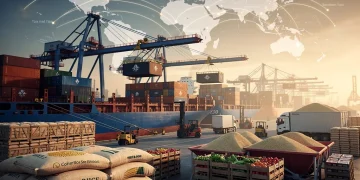
US Agricultural Exports & Global Food Security 2026
U.S. agricultural exports are pivotal in determining global food security in 2026, significantly influencing the stability and nutritional well-being of ten particularly vulnerable nations worldwide.
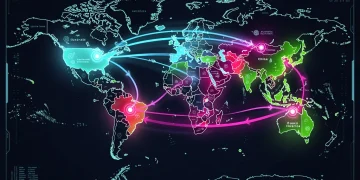
Rare Earth Geopolitics 2026: US Diversification & New Sources
In 2026, the global landscape of rare earth geopolitics is significantly shaped by the U.S.'s strategic efforts to diversify its supply chain, actively targeting three new international sources to mitigate reliance and bolster domestic and allied processing capabilities.
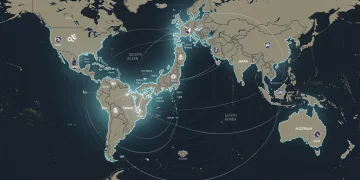
U.S. Alliance Building in Indo-Pacific 2026: Effectiveness of New Pacts
This article evaluates the effectiveness of four new security pacts in U.S. alliance building within the Indo-Pacific region by 2026. It analyzes their strategic significance, regional stability contributions, and challenges in maintaining a balanced power structure.

US leadership: Global health security 2026 & pandemic prevention
In 2026, U.S. leadership in global health security is critically focused on preventing future pandemics through 10 new international collaborations, establishing robust frameworks for rapid response and equitable access to medical countermeasures worldwide.

Black Sea 2026: US Naval Exercises & Russia’s Response
By 2026, three critical U.S. naval exercises in the Black Sea will send a clear message to Russia, underscoring evolving strategic dynamics and the concerted effort to reinforce regional stability and deter aggression.
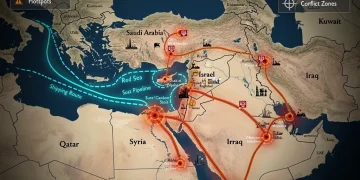
Middle East Instability 2026: U.S. Oil Vulnerability
By 2026, 15% of U.S. oil imports will remain vulnerable to Middle East instability, presenting significant geopolitical and economic risks due to regional conflicts and supply chain disruptions.