Quiet Luxury Handbags: Top 5 Styles for Resale Value by 2028
Advertisements
Latest developments on Quiet Luxury Handbags in 2026: 5 Understated Styles with Strong Resale Potential show that resale performance depends far more on the exact brand, model, condition, scarcity, and purchase price than on a universal percentage forecast.
The quiet luxury aesthetic remains influential in handbags, particularly among buyers interested in discreet design, high-quality materials, and recognizable silhouettes without prominent logos.
However, no reliable public evidence supports a blanket projection that five generic handbag styles will retain exactly 85% of their original value through 2028.
The Rise of Quiet Luxury in the Resale Market
Quiet luxury generally refers to products that emphasize materials, construction, proportion, and brand recognition without relying heavily on visible logos.
This aesthetic has helped brands such as The Row gain substantial resale attention, particularly for models that combine scarcity with strong secondary-market demand.
That does not mean every understated handbag performs well financially, because resale markets reward specific products rather than an aesthetic category alone.
What Current Resale Data Actually Shows
Rebag's 2025 Clair Report found large differences in value retention across brands, with Hermès averaging 138% and The Row averaging 97% of retail value.
Within The Row itself, the N/S Park Tote reportedly reached 146% retention, illustrating how individual styles can outperform the broader brand average.
These differences show why resale projections should be based on the exact handbag rather than broad labels such as “quiet luxury.”
Why an 85% Projection Is Too Precise
A future resale value depends on conditions that cannot be known with certainty several years in advance, including supply, retail price increases, fashion cycles, and consumer demand.
Condition, color, size, leather, hardware, and whether the bag remains in production can also materially change resale pricing.
A fixed 85% projection therefore creates a level of certainty that current public data does not support.
Resale Value Is Not the Same as Seller Proceeds
A bag may resell for a high percentage of its original retail price while the seller ultimately receives substantially less after platform commissions and other costs.
Consignment and peer-to-peer platforms use different fee structures, which can materially affect the amount returned to the owner.
Anyone evaluating resale potential should distinguish headline market value from the actual net amount received after selling costs.
What Actually Supports Strong Handbag Resale
Strong resale typically combines brand desirability, recognizable design, limited availability, enduring demand, and excellent condition.
Retail-price increases can also support higher secondary-market prices when buyers still want the product but face increasingly expensive new inventory.
None of these factors guarantees appreciation, but together they provide a more useful framework than assuming understated design alone protects value.
Key Factors Influencing Resale Value
Brand strength matters because buyers often pay premiums for houses with established secondary-market demand and reliable authentication infrastructure.
Scarcity can support pricing when supply is genuinely constrained, but scarcity without buyer demand does not automatically create value.
Condition remains particularly important because visible wear, stains, odor, scratches, missing accessories, or repairs can reduce the resale price significantly.
Brand demand: Strong secondary-market recognition can support liquidity.
Specific model: Individual bags often perform very differently within the same brand.
Condition: Excellent-condition examples generally command higher resale prices.
Scarcity: Limited availability can support value when demand remains strong.
Market Trends Shaping Future Value
The broader sustainable fashion movement has helped normalize buying pre-owned luxury products.
At the same time, younger luxury consumers increasingly use resale platforms as part of ordinary shopping rather than treating secondhand purchases as a niche category.
These trends can support overall resale activity, but they do not guarantee that every handbag will retain a particular percentage of its retail price.
Why Understated Handbags Can Perform Well
Understated handbags can remain desirable when their silhouettes, materials, and proportions continue to appeal even after a particular fashion cycle ends.
This can be especially valuable for models that are recognizable to luxury consumers without depending on oversized logos or highly seasonal graphics.
Still, resale performance comes from the specific product and market rather than from subtle branding by itself.
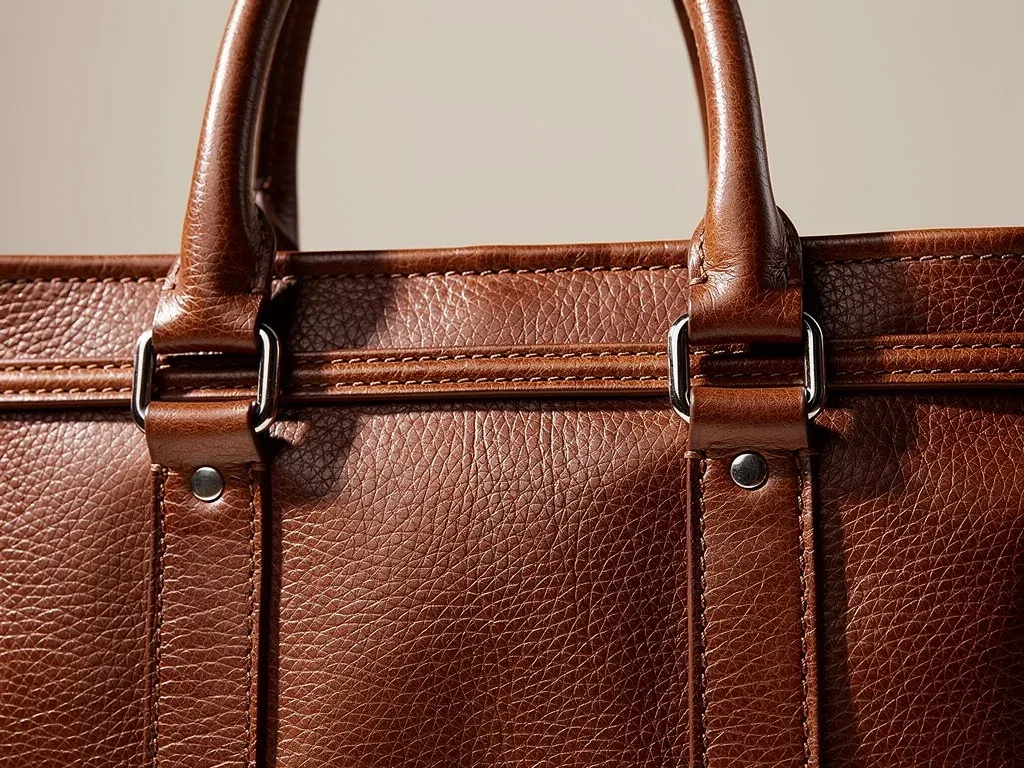
Does Subtle Branding Guarantee Better Resale?
No. Some highly logo-driven handbags retain strong value, while many minimally branded bags depreciate substantially after purchase.
The strongest resale performers generally combine recognizable design, brand demand, scarcity, and cultural relevance rather than simply avoiding visible logos.
Quiet branding can contribute to longevity for some designs, but it should be considered one factor rather than a resale rule.
Timeless silhouettes: Can remain relevant beyond one season.
Durable materials: Help preserve condition with appropriate care.
Recognizable design: Can sustain buyer interest even without obvious logos.
Consistent demand: Matters more than understated styling alone.
Five Understated Handbag Styles Worth Watching
The following categories are useful styling frameworks rather than guaranteed investments or models proven to retain exactly 85% of their value.
Actual resale performance should be evaluated using current completed-sale data for the exact brand, model, size, material, and color being considered.
Within each category, certain bags may outperform dramatically while similar-looking alternatives lose substantial value.
1. The Structured Top-Handle Tote
Structured top-handle bags remain attractive because they combine a recognizable silhouette with practical use across professional and casual settings.
The Row's Margaux has become one of the most visible examples of this category, with strong resale demand and limited availability supporting recent secondary-market prices.
That performance should not be generalized to every structured tote, because most alternatives do not have the same scarcity or brand demand.
2. The Minimalist Crossbody Bag
A small crossbody can retain practical relevance because hands-free designs work across travel, commuting, and everyday use.
Clean construction, neutral colorways, and durable leather may improve long-term usability, but those characteristics do not determine resale value on their own.
Specific brand recognition and secondary-market liquidity remain more important than the crossbody category itself.
3. The Soft Shoulder or Hobo Bag
Soft shoulder bags periodically return to fashion prominence, making some vintage and current designs highly desirable.
Supple leather and simple construction can age attractively, but heavy wear, stretching, and corner damage can materially reduce resale prices.
The strongest performers are usually recognizable models with established demand rather than generic hobo silhouettes.
4. The Architectural Clutch
Distinctive evening bags and clutches can perform well when a particular design becomes collectible or difficult to source.
However, their smaller practical use case can also limit the pool of buyers compared with versatile everyday bags.
Condition, rarity, brand, and collector demand should therefore be evaluated before describing an architectural clutch as a resale asset.
5. The Everyday Satchel
Satchels remain popular because they combine structure, storage capacity, and multiple carrying options.
A model with sustained production and broad retail availability may depreciate more than a scarcer version from the same brand.
Buyers should therefore compare historical resale transactions for the exact style rather than assuming everyday functionality guarantees retention.
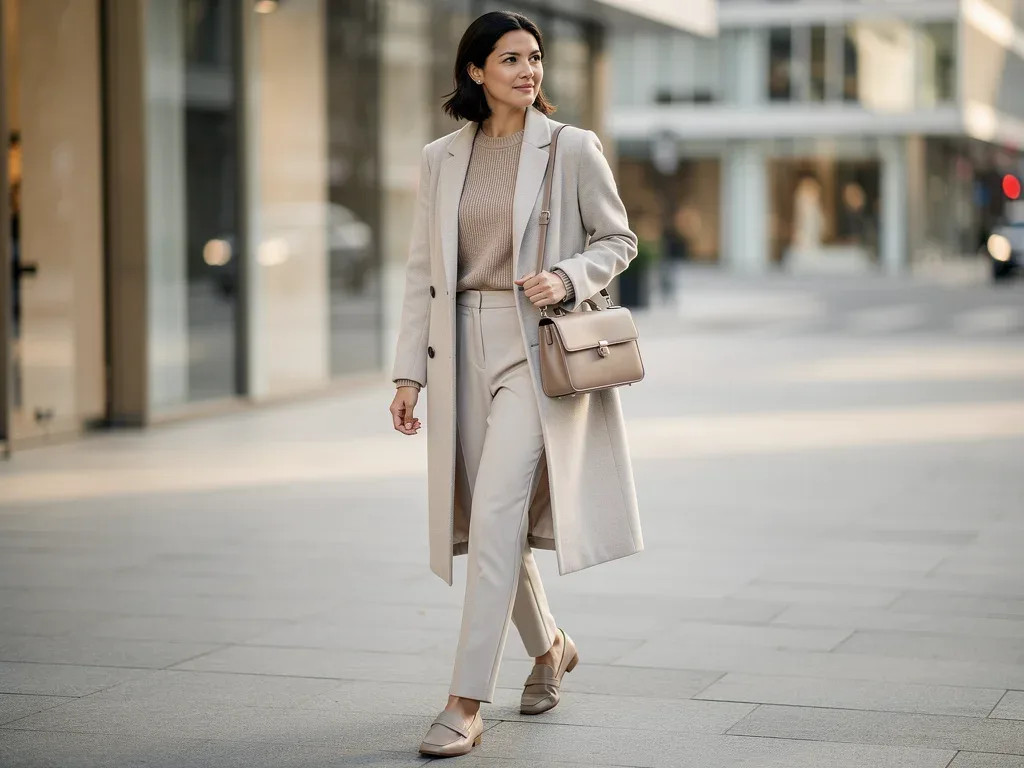
The Row Shows Why Model-Level Data Matters
The Row is one of the clearest examples of quiet luxury translating into strong resale performance for selected handbags.
Rebag reported average brand retention of 97% in 2025, while the N/S Park Tote reached 146%, demonstrating substantial variation within the same house.
Other The Row styles may perform very differently, reinforcing the need to evaluate individual models rather than apply one percentage to the entire brand.
The Margaux and Scarcity
The Row Margaux has become a major secondary-market reference point because demand has combined with constrained availability.
Vogue reported in 2026 that the Margaux had nearly doubled in value in parts of the resale market, illustrating how scarcity can reshape pricing quickly.
Recent appreciation, however, does not establish that the same growth rate will continue through 2028.
Hermès Remains an Important Benchmark
Hermès continues to operate differently from most luxury handbag brands because selected Birkin, Kelly, and other models routinely command resale prices near or above retail.
Rebag's 2025 data placed Hermès at 138% average value retention, while several individual handbag styles exceeded their original retail prices by much wider margins.
That performance demonstrates what exceptional secondary-market demand can look like, but it should not be used as a benchmark for ordinary understated handbags.
Not Every Hermès Bag Performs the Same Way
Size, leather, color, hardware, condition, and model can create large pricing differences even within Hermès.
Recent 2026 data also suggests that the broader Hermès resale market is becoming more disciplined after years of rapid growth.
This again illustrates that even the strongest luxury brands should be evaluated at the configuration level rather than through one universal retention number.
Maintaining a Handbag's Resale Condition
Condition is one of the few variables an owner can directly influence after purchasing a handbag.
Proper storage, careful use, and appropriate cleaning can reduce avoidable damage and help preserve resale appeal.
Good maintenance cannot guarantee a specific future price, but poor condition can clearly reduce what buyers are willing to pay.
Care and Storage Best Practices
Store bags away from prolonged sunlight, excessive humidity, and conditions that can distort leather or fabric.
Use appropriate internal support when necessary, while avoiding excessive stuffing that can permanently change the shape.
Follow manufacturer-specific cleaning guidance because products suitable for one type of leather can damage another material or finish.
Dust protection: Store the bag in a breathable protective cover when appropriate.
Shape maintenance: Support the structure without overstuffing.
Environmental care: Avoid prolonged sunlight, moisture, and excessive heat.
Specialist cleaning: Use qualified repair or cleaning services for valuable pieces.
The Luxury Resale Market Is Becoming More Selective
The luxury resale market remains substantial, but 2026 data shows greater differentiation between highly desirable icons and weaker seasonal products.
The RealReal reports continued strong engagement with secondhand fashion, particularly among Gen Z and Millennial customers.
Growth in the resale category does not mean every luxury product appreciates, because greater marketplace activity can coexist with declining prices for less desirable inventory.
Technology and Authentication
Online marketplaces increasingly use data tools, image analysis, historical pricing, and other AI-driven technologies to support authentication and pricing workflows.
Technology can improve efficiency, but authentication remains a high-stakes process and should not be assumed to be infallible simply because AI is involved.
Seller reputation, platform policies, provenance, and professional verification remain relevant when buying expensive pre-owned handbags.
Social Media Still Influences Demand
Celebrity exposure, viral styling, runway visibility, and fashion influencers can rapidly change demand for particular models.
This can create sharp price increases when supply is constrained, but attention can also fade quickly once the trend moves elsewhere.
Short-term social visibility should therefore be separated from the persistent demand required for durable resale performance.
Handbags Should Not Be Treated Like Guaranteed Financial Assets
Luxury bags can retain value well and occasionally appreciate, but they do not provide the same characteristics as diversified financial investments.
They can be relatively illiquid, require physical storage and maintenance, carry authentication risk, and incur significant selling fees.
Financial professionals generally recommend treating collectible luxury items as discretionary assets rather than substitutes for diversified investments.
Purchase Price Matters
A handbag's future return depends not only on its eventual sale price but also on what the buyer originally paid.
Buying a highly desirable model substantially above retail can create downside risk even when the bag remains popular.
Evaluating current retail price, completed resale transactions, marketplace costs, and liquidity provides a more realistic picture than focusing only on historical appreciation.
Key Resale Factor | What Current Evidence Suggests |
|---|---|
Quiet Luxury | Can support demand for selected understated models, but does not guarantee strong resale. |
85% Through 2028 | No reliable public evidence supports a universal 85% retention forecast for five generic handbag styles. |
Brand and Model | Resale performance varies substantially by exact brand, style, size, material, and color. |
Condition | Excellent condition can help preserve value, while wear and missing accessories can reduce resale pricing. |
Market Demand | Scarcity supports value only when sufficient buyer demand remains. |
Frequently Asked Questions About Quiet Luxury Handbags
What defines a quiet luxury handbag? ▼
It generally emphasizes craftsmanship, materials, proportion, and subtle branding rather than prominent logos, although there is no official industry definition.
Are five handbag styles guaranteed to retain 85% of their value through 2028? ▼
No. There is no reliable public dataset establishing that five generic handbag categories will retain exactly 85% of their value through 2028.
Which brands currently show strong resale performance? ▼
Current data shows particularly strong resale performance for selected Hermès, Goyard, The Row, Miu Miu, Chanel, and Louis Vuitton products, although results vary substantially by individual model.
Does The Row hold its value well? ▼
Selected models do. Rebag reported 97% average brand retention in 2025, while certain styles such as the N/S Park Tote materially exceeded retail value.
Are luxury handbags safe investments? ▼
No resale outcome is guaranteed. Handbags can appreciate or depreciate and involve selling fees, liquidity risk, authentication issues, physical wear, and changing consumer demand.
Perspectives on Enduring Value
Quiet Luxury Handbags in 2026 remain an important part of the resale market, but current evidence favors model-specific analysis over generalized investment claims.
Brands such as The Row demonstrate that understated design can generate strong demand, while Hermès continues to show how scarcity and persistent buyer interest can sustain unusually high resale values.
The most reliable approach is to evaluate each handbag using current completed sales, retail price, condition, liquidity, and demand rather than relying on a fixed 85% projection through 2028.