Rare Earth Geopolitics 2026: US Diversification & New Sources
Advertisements
The rare earth geopolitics in 2026 sees the U.S. actively pursuing diversification of its critical mineral supply chains, focusing on three new strategic sources to secure essential materials for advanced technologies and defense.
The global stage in 2026 is witnessing a profound shift in the dynamics surrounding critical minerals, especially rare earth elements. The intricate web of supply, demand, and geopolitical influence has made securing these vital resources a top priority for industrial and military powers. For the United States, this challenge is particularly acute, given its historical reliance on a singular dominant supplier. The strategic imperative to diversify the supply chain for these indispensable elements has never been more pressing. This article delves into the evolving landscape of rare earth geopolitics, examining the proactive measures the U.S. is taking and the three key new supply sources it is targeting to fortify its technological independence and national security.
The Strategic Importance of Rare Earth Elements
Rare earth elements (REEs) are a group of 17 chemically similar metallic elements that are not necessarily rare in geological terms, but their economic extraction is often challenging. Despite their name, their true rarity lies in their concentrated, accessible deposits. These elements are indispensable components in a vast array of modern technologies, from consumer electronics to advanced defense systems. Without a secure and diversified supply of REEs, nations risk significant vulnerabilities in their economic and military capabilities.
The unique magnetic, luminescent, and electrochemical properties of rare earths make them critical for high-tech applications. Their role in the green energy transition, particularly in electric vehicles and wind turbines, further amplifies their strategic value. As the world moves towards a more sustainable future, the demand for these elements is projected to skyrocket, placing immense pressure on existing supply chains and fueling geopolitical competition.
Applications Across Industries
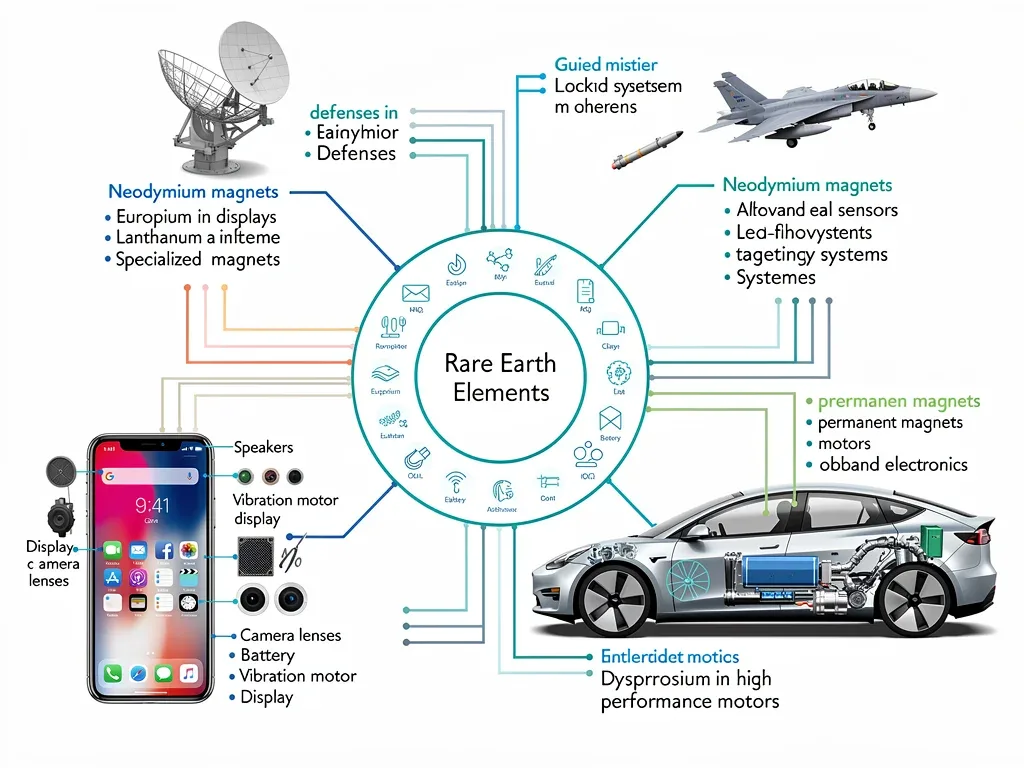
The applications of rare earth elements are far-reaching and continue to expand. Their integration into various sectors underscores their foundational importance to modern society.
- Electronics: Essential for smartphones, laptops, and advanced displays, enabling smaller, more powerful devices.
- Defense: Crucial for guided missiles, stealth technology, and night vision goggles, providing a technological edge in military applications.
- Clean Energy: Vital for the magnets in electric vehicle motors and wind turbine generators, driving the global shift toward renewable energy.
- Medical Technology: Used in MRI machines, advanced surgical tools, and various diagnostic equipment, improving healthcare outcomes.
Understanding the pervasive nature of rare earth elements across these critical sectors highlights why securing their supply is not merely an economic concern but a fundamental matter of national security and future prosperity. The U.S. recognizes this criticality and is responding with aggressive strategies to reshape the global supply landscape.
Current Global Landscape and Supply Chain Vulnerabilities
For decades, the global supply chain for rare earth elements has been heavily concentrated, primarily due to China’s dominant position. This dominance stems from a combination of favorable geology, lower production costs, and a long-term strategic vision that prioritized the development of its rare earth industry. While China’s role has provided a consistent supply, it has also created significant vulnerabilities for nations like the United States, which are largely dependent on these imports.
The concentration of mining, processing, and refining capabilities within a single country presents a clear geopolitical risk. Any disruption, whether from trade disputes, natural disasters, or political decisions, could severely impact global manufacturing and defense sectors. This realization has spurred a global reevaluation of critical mineral strategies, with many countries seeking to reduce their reliance and build more resilient supply chains.
The Challenge of Processing and Refining
While rare earth deposits exist in various parts of the world, the bottleneck often lies in the complex and environmentally intensive processes of refining and separating the individual rare earth elements. These steps require specialized infrastructure, advanced technological know-how, and significant capital investment.
- Environmental Concerns: Rare earth processing can generate toxic byproducts, leading to stringent environmental regulations in many Western countries, which historically pushed production to nations with less strict oversight.
- Technological Expertise: Mastering the separation techniques for individual rare earths, which have very similar chemical properties, demands sophisticated metallurgical and chemical engineering expertise.
- Economic Viability: The high capital expenditure and operational costs associated with building and maintaining rare earth processing facilities make it challenging to compete with established, lower-cost producers.
The current global landscape, characterized by concentrated supply and complex processing challenges, necessitates a multi-faceted approach to diversification. The U.S. strategy acknowledges these complexities and seeks to address them through a combination of domestic investment, international partnerships, and the development of new, sustainable supply sources.
U.S. Diversification Strategy: A Multi-Pronged Approach
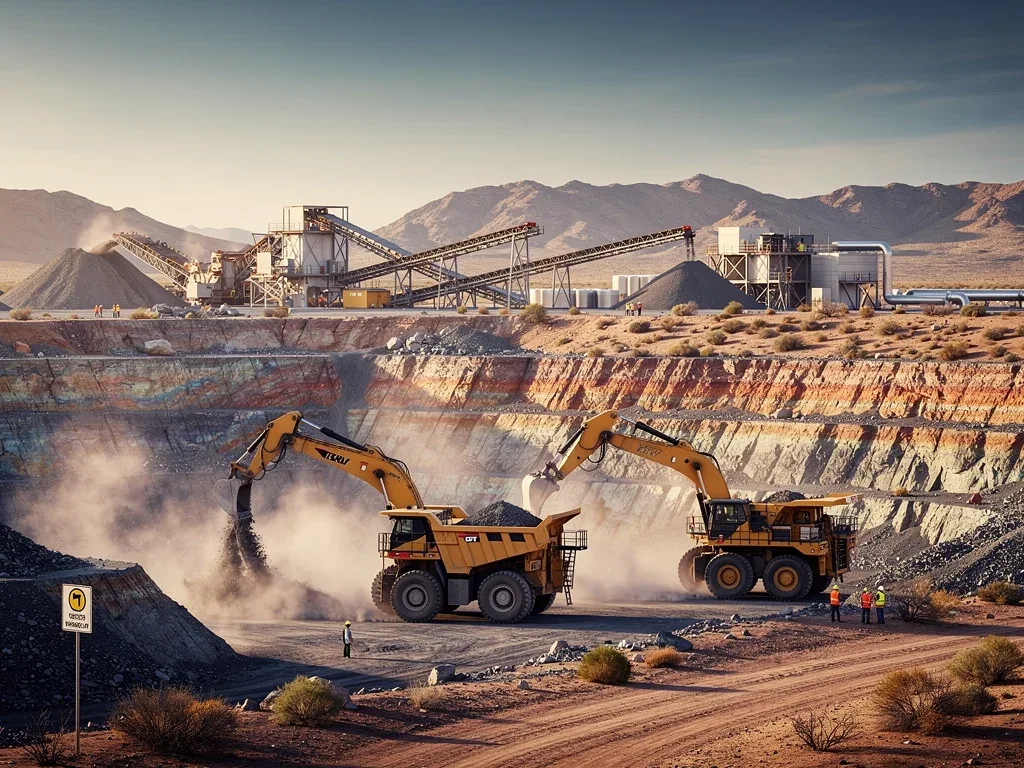
Recognizing the inherent risks of an over-reliant rare earth supply chain, the United States has initiated a comprehensive diversification strategy. This approach is not merely about finding new sources of raw materials but also about rebuilding domestic processing capabilities, fostering international alliances, and investing in innovative technologies. The goal is to create a robust, resilient, and secure supply chain that can withstand geopolitical pressures and meet the demands of future technological advancements.
The strategy involves close collaboration between government agencies, private industry, and research institutions. Incentives for domestic mining and processing, alongside diplomatic efforts to secure access to overseas resources, form the bedrock of this renewed focus. Furthermore, the U.S. is prioritizing environmentally responsible mining practices and the development of advanced extraction and recycling technologies to ensure long-term sustainability.
Key Pillars of the Strategy
The U.S. diversification efforts are built upon several critical components designed to address both immediate and long-term supply chain vulnerabilities.
- Domestic Production Revival: Supporting and expanding rare earth mining and processing operations within the United States, reducing reliance on external sources for raw materials.
- International Partnerships: Forging strong alliances with countries rich in rare earth deposits and those with established processing capabilities, creating a network of trusted suppliers.
- Technological Innovation: Investing in research and development for new, more efficient, and environmentally friendly methods of rare earth extraction, separation, and recycling.
- Stockpiling and Reserves: Building strategic reserves of critical rare earth elements to buffer against potential supply disruptions and ensure continuous access for essential industries.
This holistic strategy aims to create a balanced approach that leverages both domestic strengths and international cooperation. By diversifying across multiple dimensions—geographical, technological, and operational—the U.S. seeks to achieve genuine supply chain resilience in the face of evolving global dynamics.
Targeting New Supply Source 1: Australia’s Expanding Role
Australia has emerged as a crucial partner in the U.S. rare earth diversification strategy, positioning itself as a significant and reliable source of these critical minerals. With substantial rare earth deposits and a commitment to responsible mining, Australia offers a viable alternative to the dominant supplier. The U.S. has actively engaged in diplomatic and economic initiatives to strengthen its rare earth supply chain ties with Australia, recognizing their shared values and strategic interests.
The development of new rare earth projects in Australia, coupled with investments in processing facilities, is central to this partnership. Companies like Lynas Rare Earths, which operates both mining in Australia and processing facilities, are pivotal. Their continued expansion and technological advancements are directly contributing to a more diversified global supply, aligning perfectly with U.S. objectives.
Strategic Investments and Partnerships
The collaboration between the U.S. and Australia extends beyond mere trade, encompassing strategic investments and joint ventures aimed at bolstering the entire rare earth supply chain.
- Financial Support: U.S. government agencies and private entities are providing financial backing for Australian rare earth mining and processing projects, accelerating their development.
- Technology Transfer: Sharing expertise and technology to enhance extraction and refining processes, ensuring efficiency and environmental compliance.
- Offtake Agreements: Long-term purchase agreements guaranteeing a stable market for Australian rare earth products, providing certainty for investors and producers.
This robust partnership with Australia is not only about securing raw materials but also about building a trusted, transparent, and environmentally sound supply chain. It represents a significant step towards reducing single-source dependency and establishing a more geographically diverse and resilient network for rare earth elements.
Targeting New Supply Source 2: Canada’s Northern Potential
Canada, with its vast and largely untapped mineral resources, represents another promising new supply source for rare earth elements for the United States. The geological potential of Canada’s northern territories is immense, and ongoing exploration efforts are continually discovering new deposits. Its geographical proximity to the U.S. also offers logistical advantages, making it an attractive partner in the broader diversification strategy.
The Canadian government is actively promoting the development of its critical minerals sector, recognizing the economic and strategic benefits. This includes streamlining regulatory processes for new mines and providing incentives for investment in processing infrastructure. The shared border and strong bilateral relationship between the U.S. and Canada facilitate a natural partnership in securing critical materials.
Challenges and Opportunities in the Canadian North
While Canada offers significant potential, developing rare earth projects in its remote northern regions comes with unique challenges that require careful consideration and strategic planning.
- Infrastructure Development: The lack of extensive infrastructure in remote areas necessitates significant investment in roads, power, and logistics to support mining operations.
- Indigenous Engagement: Respectful and meaningful engagement with Indigenous communities is paramount, ensuring their rights and environmental concerns are addressed throughout project development.
- Environmental Stewardship: Operating in pristine northern environments demands the highest standards of environmental protection and sustainable mining practices.
Despite these challenges, the long-term strategic benefits of a robust Canadian rare earth supply make it a priority for U.S. diversification efforts. Investments in Canadian projects are not just about raw materials; they are about building a North American critical minerals hub that strengthens regional supply chain resilience and fosters economic growth for both nations.
Targeting New Supply Source 3: Emerging African Producers
The African continent holds immense, yet largely underdeveloped, rare earth resources, making it a critical frontier for the U.S. diversification strategy. Countries like Tanzania, Malawi, and Madagascar have significant deposits, and several new projects are in various stages of exploration and development. Engaging with these emerging African producers offers the U.S. an opportunity to create truly global and geographically diverse rare earth supply chains, reducing reliance on any single region.
The U.S. approach to African rare earth sources focuses on sustainable development, capacity building, and ensuring that local communities benefit from these projects. This involves not only securing off-take agreements but also supporting infrastructure development, technology transfer, and responsible governance practices. The aim is to foster long-term, mutually beneficial partnerships that contribute to economic development in Africa while securing vital resources for the U.S.
Building Sustainable Partnerships in Africa
Developing rare earth projects in Africa requires a nuanced approach that addresses historical challenges and builds trust through equitable partnerships.
- Responsible Mining Practices: Promoting and adhering to international best practices for environmental protection and social responsibility, avoiding past pitfalls of resource exploitation.
- Local Value Addition: Encouraging in-country processing and refining where feasible, to maximize economic benefits for African nations and create local jobs.
- Security and Stability: Working with governments to ensure political stability and security for mining operations, mitigating risks for investors.
- Infrastructure Investment: Supporting the development of transport, energy, and port infrastructure necessary to bring rare earth products to market efficiently.
The engagement with African rare earth producers represents a strategic long-term vision for the U.S. to create a truly global and resilient supply chain. By investing in these emerging markets, the U.S. aims not only to secure critical minerals but also to contribute to sustainable economic growth and development across the continent, fostering a new era of resource partnership.
Future Outlook and Geopolitical Implications
The diversification efforts by the U.S. in 2026 are setting the stage for a significant reshaping of the rare earth geopolitics landscape. The strategic targeting of Australia, Canada, and emerging African producers is not merely about securing materials; it’s about fundamentally altering the balance of power in critical mineral supply chains. This shift has profound geopolitical implications, signaling a move towards a multipolar rare earth market and away from concentrated dependency.
A more diversified supply chain enhances national security by reducing vulnerability to supply disruptions and economic coercion. It also fosters greater competition, potentially leading to more stable pricing and innovation across the rare earth industry. The investments in domestic processing and advanced technologies within the U.S. further strengthen this resilience, creating a more self-sufficient and adaptable ecosystem for critical minerals.
Challenges and Opportunities Ahead
While the diversification strategy is robust, several challenges and opportunities will shape its long-term success.
- Sustained Investment: Maintaining consistent government and private sector investment will be crucial to bring new mines and processing facilities online and ensure their economic viability.
- Technological Race: Continued innovation in extraction, processing, and recycling technologies is essential to stay competitive and environmentally responsible.
- Geopolitical Volatility: Navigating complex international relations and potential shifts in global alliances will require agile and adaptive diplomatic strategies.
- Environmental Stewardship: Ensuring that new rare earth production meets the highest environmental standards will be critical for public acceptance and long-term sustainability.
The future of rare earth geopolitics is dynamic and complex. The U.S. diversification efforts, focused on these three new supply sources, represent a proactive and necessary response to secure its economic and national interests in an increasingly resource-constrained world. The success of these initiatives will not only impact the availability of rare earths but also influence global technological development and strategic stability for decades to come.
| Key Aspect | Brief Description |
|---|---|
| U.S. Diversification Goal | Reduce reliance on single rare earth suppliers to enhance national security and technological resilience. |
| Australia’s Role | Key trusted partner with significant deposits and growing processing capabilities, supported by U.S. investment. |
| Canada’s Potential | Vast untapped northern resources and geographical proximity offer strategic advantages for North American supply. |
| African Emergence | Developing nations like Tanzania and Malawi offer long-term, diverse supply through sustainable partnerships. |
Frequently asked questions about rare earth geopolitics
Why are rare earth elements so geopolitically significant?▼Rare earth elements are crucial for advanced technologies, including defense systems and renewable energy. Their concentrated supply chain, particularly from China, creates geopolitical vulnerabilities, making secure access a national security priority for many industrial nations.
What are the primary goals of the U.S. rare earth diversification strategy?▼The U.S. aims to reduce reliance on single-source suppliers, rebuild domestic processing capabilities, foster international alliances, and invest in sustainable extraction and recycling technologies to create a resilient supply chain.
How is Australia contributing to U.S. rare earth supply diversification?▼Australia is a key partner, offering significant rare earth deposits and a commitment to responsible mining. U.S. investments and long-term off-take agreements are bolstering Australian production and processing, creating a reliable alternative source.
What role does Canada play in the U.S. rare earth strategy?▼Canada’s vast, untapped northern resources and geographical proximity make it a strategic partner. The U.S. supports Canadian efforts to develop its critical minerals sector, aiming to establish a robust North American rare earth supply hub.
Which African nations are emerging as new rare earth suppliers for the U.S.?▼Emerging African producers like Tanzania, Malawi, and Madagascar are being targeted. The U.S. seeks to develop sustainable, mutually beneficial partnerships, supporting local value addition and responsible mining practices across the continent.
Conclusion
The evolving landscape of rare earth geopolitics in 2026 underscores a pivotal moment for global supply chains. The United States’ proactive and multi-pronged approach to diversify its rare earth sources, specifically targeting Australia, Canada, and emerging African nations, is a testament to its commitment to national security and technological resilience. These strategic efforts aim to mitigate historical dependencies, foster sustainable partnerships, and ensure a stable supply of these indispensable elements for the future. The success of these initiatives will undoubtedly shape the global balance of power, drive innovation, and secure the foundational materials necessary for both advanced industries and the ongoing green energy transition.