The Future of NATO in 2026: U.S. Contributions & European Security
Advertisements
The future of NATO in 2026 will be profoundly shaped by two key U.S. contributions: advanced technological integration and sustained forward military presence, both crucial for bolstering European security and collective defense capabilities.
As we look towards 2026, the strategic landscape surrounding the North Atlantic Treaty Organization (NATO) continues to evolve, presenting both formidable challenges and renewed opportunities. Understanding The Future of NATO in 2026: Analyzing 2 Key U.S. Contributions and Their Impact on European Security is paramount to grasping the trajectory of global stability. This analysis delves into how critical U.S. support will shape the alliance’s effectiveness and resilience in the face of emerging geopolitical realities.
The evolving geopolitical landscape and NATO’s enduring relevance
The world in 2026 is marked by an increasingly complex and interconnected geopolitical environment. From persistent state-sponsored cyber threats to renewed great power competition and regional instabilities, the challenges confronting global security are multifaceted. In this context, NATO, founded on the principle of collective defense, remains a cornerstone of transatlantic security, adapting its strategies to meet contemporary threats.
The alliance’s relevance is continuously tested by these evolving dynamics. Its ability to deter aggression, manage crises, and project stability hinges on the collective commitment of its members, with the United States playing a foundational role. The principle of ‘one for all, and all for one’ under Article 5 continues to be the bedrock, but its application requires constant modernization and adaptation to new forms of warfare and geopolitical pressures.
Adapting to hybrid warfare and cyber threats
- Cyber Resilience: NATO’s focus on enhancing cyber defense capabilities has become critical, with the U.S. leading initiatives for shared intelligence and advanced threat detection.
- Information Warfare: Countering disinformation campaigns and propaganda from adversarial states is a growing priority, requiring sophisticated analytical tools and coordinated responses.
- Hybrid Aggression: Addressing tactics that fall below the threshold of conventional warfare, such as irregular forces and economic coercion, demands a comprehensive and flexible defense posture.
The adaptation to hybrid warfare and cyber threats is not merely about military hardware; it involves a deep understanding of information ecosystems, societal vulnerabilities, and rapid response mechanisms. The U.S. role in developing and sharing cutting-edge cybersecurity protocols and intelligence-gathering techniques is indispensable for the alliance’s overall resilience in these domains. This strategic foresight ensures that NATO remains prepared for threats that do not always manifest as traditional military engagements.
In conclusion, NATO’s endurance into 2026 is predicated on its capacity to evolve alongside the threats it faces. The geopolitical shifts demand a proactive and agile alliance, one that can integrate new technologies and strategies while maintaining its core defensive principles. The U.S. contributions are pivotal in enabling this continuous adaptation, reinforcing the alliance’s position as a vital guarantor of European security.
U.S. contribution 1: technological superiority and advanced defense systems
One of the most significant U.S. contributions to NATO’s future in 2026 is its unparalleled technological superiority and the deployment of advanced defense systems. This encompasses everything from cutting-edge air defense and missile defense systems to sophisticated intelligence, surveillance, and reconnaissance (ISR) capabilities. The integration of these technologies into NATO’s collective defense architecture provides a formidable deterrent against potential adversaries and significantly enhances the alliance’s operational effectiveness.
The U.S. commitment to investing in research and development for next-generation military technologies directly benefits NATO. These advancements are often shared with allies through joint exercises, training programs, and direct sales, ensuring that the alliance maintains a qualitative edge. This technological transfer is crucial for interoperability, allowing diverse national forces to operate seamlessly as a cohesive unit.
Key areas of technological advancement
- Integrated Air and Missile Defense (IAMD): The U.S. provides the backbone for NATO’s IAMD, including Patriot and THAAD systems, crucial for protecting European airspace from ballistic and cruise missile threats.
- Fifth-Generation Aircraft: The deployment of F-35 fighter jets across European bases strengthens NATO’s air superiority and strike capabilities, offering stealth and advanced sensor fusion.
- Cyber and Space Capabilities: U.S. expertise in cyber warfare and space-based assets, such as satellite communications and GPS, are integrated into NATO’s command and control structures, providing critical advantages in modern conflict.
The continuous upgrading and sharing of these sophisticated defense systems ensure that NATO’s collective capabilities remain robust and responsive to emerging threats. Without the substantial U.S. investment and leadership in these technological domains, many European allies would struggle to acquire and maintain such advanced defense postures independently. This partnership fosters a stronger, more unified defense against a wide array of potential aggressors.
Ultimately, the U.S. commitment to technological superiority within NATO is not just about hardware; it’s about fostering a culture of innovation and shared expertise. This ensures that the alliance can anticipate and counter future threats with confidence, maintaining its strategic advantage in an increasingly competitive global security environment. This contribution is a cornerstone of European security, providing both defensive capabilities and a strong deterrent message.
U.S. contribution 2: strategic military presence and readiness
Beyond technological contributions, the sustained U.S. strategic military presence in Europe is the second critical pillar supporting NATO’s future in 2026. This presence includes thousands of troops, naval assets, and air force units stationed across the continent, serving as a tangible manifestation of the U.S. commitment to European security. This forward deployment provides immediate response capabilities, enhances deterrence, and facilitates extensive joint training with allied forces.
The physical presence of U.S. forces acts as a powerful deterrent, reassuring allies and signaling to potential adversaries that an attack on any NATO member would be met with a swift and robust response. This commitment is particularly vital for countries on NATO’s eastern flank, which face direct security concerns from a resurgent Russia. The continuous rotation of U.S. troops and equipment through these regions reinforces collective defense.
Impact of forward deployment on European security
- Enhanced Deterrence: The physical presence of U.S. forces significantly raises the cost of aggression for any potential adversary, making military action against NATO a high-risk endeavor for an adversary.
- Rapid Response: Forward-deployed units can respond much faster to crises than forces based in the continental U.S., providing critical initial defense until reinforcements arrive.
- Interoperability and Training: Regular joint exercises with European allies improve coordination, communication, and overall combat readiness, fostering a cohesive fighting force.
The strategic placement of U.S. bases and personnel across Europe also supports logistical capabilities and intelligence gathering, providing NATO with crucial operational advantages. These bases serve as hubs for training, maintenance, and deployment, ensuring that the alliance can project power and respond effectively across the European theater. The U.S. also plays a leading role in NATO’s enhanced forward presence (EFP) battlegroups, further solidifying its commitment to collective defense.
In summary, the U.S. strategic military presence in Europe is not merely symbolic; it represents a functional and indispensable element of NATO’s defense posture. It provides the necessary muscle for deterrence, ensures rapid response capabilities, and strengthens the bonds of interoperability among allied forces. This sustained commitment is fundamental to maintaining peace and stability in Europe as we approach 2026 and beyond.
The impact on European security: deterrence and reassurance
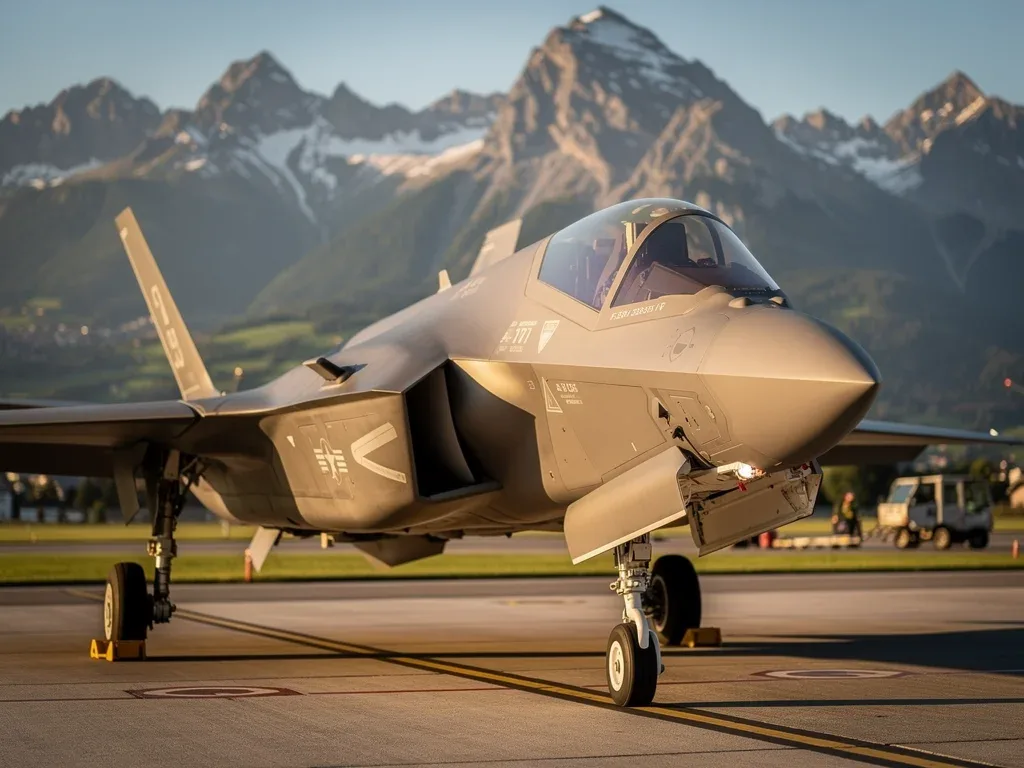
The combined effect of U.S. technological superiority and strategic military presence profoundly impacts European security, primarily through enhanced deterrence and reassurance. Deterrence, the act of discouraging an adversary from taking action through fear of reprisal, is significantly amplified by the advanced capabilities and palpable commitment demonstrated by the U.S. within NATO.
European allies gain immense confidence from knowing that the most powerful military in the world stands ready to defend them. This reassurance is particularly critical for smaller member states or those directly bordering potential flashpoints. It allows them to focus their defense spending on specialized capabilities that complement the broader alliance, rather than attempting to build comprehensive defense systems that would be prohibitively expensive and less effective in isolation.
Deterrence mechanisms strengthened by U.S. contributions
- Conventional Deterrence: The sheer scale and sophistication of U.S. forces, coupled with their forward deployment, make any conventional aggression against NATO a high-risk endeavor for an adversary.
- Nuclear Deterrence: The U.S. nuclear umbrella remains a vital component of NATO’s overall deterrence strategy, providing an ultimate guarantee against existential threats.
- Cyber Deterrence: Advanced U.S. cyber capabilities, both defensive and offensive, contribute to deterring cyberattacks against NATO infrastructure and member states.
The reassurance factor extends beyond military capabilities; it fosters political cohesion within the alliance. When allies feel secure, they are more likely to present a united front on diplomatic and economic issues, strengthening NATO’s collective voice on the global stage. This unity is crucial for navigating complex international relations and addressing shared challenges effectively. The U.S. commitment acts as a stabilizing force, preventing fragmentation within the alliance.
In conclusion, the U.S. contributions are indispensable for maintaining a robust and credible deterrence posture for NATO, thereby guaranteeing European security. This dual impact of deterrence and reassurance ensures that both potential aggressors are discouraged, and allies feel confident in their collective defense. This foundational support enables Europe to address other pressing challenges, knowing its primary security concerns are robustly managed.
Challenges and future outlook for NATO in 2026
While U.S. contributions are foundational, NATO in 2026 will still face numerous challenges that require continuous adaptation and strategic foresight. Internal cohesion, burden-sharing debates, and the evolving nature of global power dynamics will test the alliance’s resilience. The ability of member states to align their strategic interests and maintain a unified approach will be paramount.
One significant challenge is ensuring that all members meet their defense spending commitments. While the U.S. consistently exceeds the 2% GDP target, many European allies still fall short. This disparity can strain transatlantic relations and raise questions about equitable burden-sharing. Addressing this will be crucial for the long-term health and credibility of the alliance, reinforcing the collective commitment.
Key challenges for NATO’s future
- Burden Sharing: Encouraging all members to meet the 2% defense spending target to ensure equitable contributions to collective security.
- Internal Cohesion: Managing differing national interests and political priorities among 30+ member states to maintain a unified strategic direction.
- Technological Race: Keeping pace with rapid technological advancements by adversaries, requiring continuous investment and innovation.
- Global Engagements: Defining NATO’s role beyond its traditional geographic area, particularly in response to global challenges like terrorism and climate change.
The future outlook for NATO in 2026 also involves adapting to new domains of conflict, such as the Arctic, and strengthening partnerships with non-member states. The alliance must remain flexible enough to incorporate new members while ensuring that its core principles are upheld. The strategic concept, regularly updated, will guide these adaptations, reflecting the consensus among allies on evolving threats and priorities.
Ultimately, NATO’s future success will depend on its ability to navigate these challenges through strong leadership, sustained commitment from all members, and a clear vision for collective security. The U.S. will continue to be a vital partner in this endeavor, but the responsibility for the alliance’s strength and relevance rests with every nation. Continuous dialogue and collaboration are essential to overcome these hurdles.
The role of European allies in strengthening NATO
While U.S. contributions are undeniably critical, the strength and future viability of NATO in 2026 also heavily rely on the active and robust participation of European allies. The collective efforts of European nations in increasing their defense spending, modernizing their militaries, and contributing to shared intelligence and operational capabilities are essential for a truly resilient alliance. This shared responsibility ensures that NATO is not solely dependent on one member.
Many European nations have indeed stepped up their commitments, recognizing the imperative of a stronger European pillar within NATO. Initiatives like the European Defence Fund and Permanent Structured Cooperation (PESCO) aim to enhance European military capabilities and interoperability. These efforts, while distinct from NATO, often complement and strengthen the alliance by fostering greater efficiency and reducing duplication of efforts. A stronger European defense capacity means a stronger NATO overall.
European contributions and initiatives
- Increased Defense Spending: Many European countries are increasing their defense budgets, moving closer to the 2% GDP target, which directly bolsters NATO’s collective resources.
- Specialized Capabilities: European allies contribute specialized forces, such as anti-submarine warfare units, cyber defense experts, and logistical support, filling critical gaps within the alliance.
- Multinational Formations: The establishment of multinational brigades and corps within Europe enhances interoperability and readiness, allowing for quicker deployment and more effective joint operations.
The political will and commitment of European leaders to invest in their own security and to support NATO’s missions are paramount. This includes contributing troops to multinational battlegroups, participating in joint training exercises, and actively engaging in strategic planning. A unified and capable European component within NATO strengthens the alliance’s overall posture and provides a more balanced transatlantic partnership.
In conclusion, the future of NATO is a shared responsibility. While U.S. contributions are indispensable, the robust and growing role of European allies in strengthening their own defense capabilities and committing to collective security ensures the alliance remains formidable. This collaborative approach reinforces NATO’s resilience and its ability to effectively address the complex security challenges of 2026 and beyond.
Looking ahead: sustaining transatlantic unity and adaptation
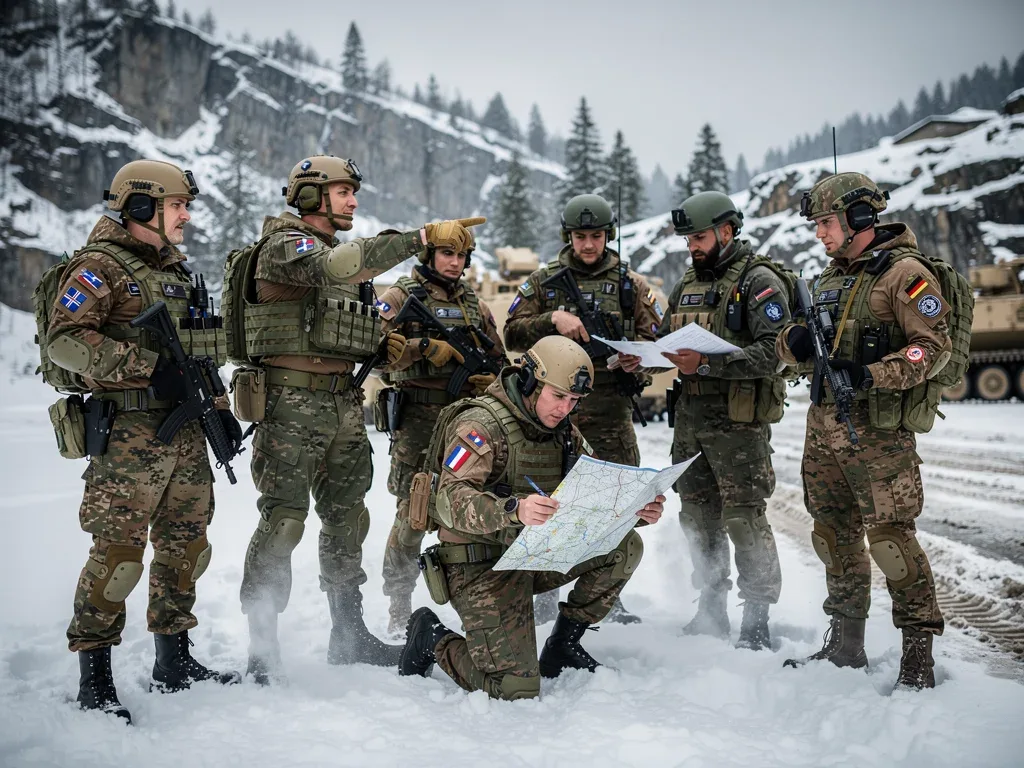
As we cast our gaze towards 2026, the imperative of sustaining transatlantic unity within NATO cannot be overstated. The alliance’s strength has always resided in its collective resolve and the shared values that bind its members. In an era of increasing global instability, maintaining this unity is crucial for effective deterrence and crisis management, ensuring that the alliance speaks with one voice on critical security matters.
Adaptation will also remain a continuous process. The threats of 2026 may differ in nature and intensity from those of today, necessitating ongoing adjustments to NATO’s strategies, capabilities, and organizational structure. This includes not only technological modernization but also doctrinal evolution to address new forms of aggression, from deepfake disinformation campaigns to weaponized artificial intelligence.
Key elements for future sustainability
- Political Dialogue: Continuous high-level engagement and diplomatic efforts are needed to bridge differences and forge consensus among member states on strategic priorities.
- Public Support: Maintaining strong public support for NATO across member nations is vital for ensuring long-term political commitment and resources.
- Innovation Hubs: Investing in joint research and development, and creating innovation hubs to quickly integrate emerging technologies into defense strategies.
- Partnership Expansion: Strengthening relationships with non-NATO partners, especially those sharing democratic values, to enhance global security cooperation.
The dialogue between the U.S. and its European allies will be central to navigating these future challenges. Open communication, mutual respect, and a shared understanding of the threat landscape will be essential for making informed decisions about resource allocation, strategic deployments, and policy responses. This collaborative spirit will ensure that NATO remains a relevant and powerful force for good.
Ultimately, the future of NATO in 2026 will be defined by its capacity for both unwavering unity and dynamic adaptation. The U.S. contributions will continue to be a cornerstone, but the collective will of all members to invest in, evolve, and defend the alliance’s principles will be the true measure of its enduring success. This sustained commitment ensures that NATO remains a bulwark of peace and security for generations to come.
| Key Contribution | Impact on European Security |
|---|---|
| Technological Superiority | Enhances NATO’s overall defense capabilities, providing advanced deterrence against sophisticated threats and ensuring interoperability among allies. |
| Strategic Military Presence | Provides immediate response capabilities, strengthens conventional deterrence, and offers tangible reassurance to European allies, especially on the eastern flank. |
| Enhanced Deterrence | U.S. contributions significantly raise the cost of aggression for adversaries, including conventional, nuclear, and cyber domains, protecting European borders. |
| Allied Reassurance | Fosters confidence among European members, allowing for focused defense spending and strengthening political cohesion within the alliance. |
Frequently Asked Questions about NATO’s Future
What are the primary U.S. contributions to NATO’s future in 2026?▼The primary U.S. contributions are advanced technological superiority, including cutting-edge defense systems and cyber capabilities, and a sustained strategic military presence in Europe. These elements are crucial for collective defense and deterrence against evolving threats.
How does U.S. technological superiority impact European security?▼U.S. technological superiority provides NATO with a qualitative edge through integrated air and missile defense, fifth-generation aircraft, and advanced cyber capabilities. This enhances deterrence and ensures interoperability, making the alliance more effective against modern threats.
Why is U.S. military presence in Europe so important for NATO?▼The U.S. military presence offers immediate response capabilities, strengthens conventional deterrence, and reassures allies, particularly on the eastern flank. It signals a tangible commitment to collective defense and facilitates joint training and logistical support.
What challenges might NATO face in 2026 regarding U.S. contributions?▼Challenges include ongoing debates about burden-sharing among allies, maintaining internal cohesion amidst differing national interests, and adapting to rapid technological advancements by adversaries. Sustaining political will and public support for the alliance will also be key.
How can European allies contribute to strengthening NATO’s future?▼European allies can strengthen NATO by increasing defense spending, modernizing their militaries, and contributing specialized capabilities. Active participation in joint exercises and strategic planning also fosters a more balanced and resilient transatlantic partnership.
Conclusion
The future of NATO in 2026 is inextricably linked to the sustained and multifaceted contributions of the United States. Through its unparalleled technological superiority and its strategic military presence across Europe, the U.S. provides the critical backbone for NATO’s deterrence capabilities and offers vital reassurance to its allies. These two pillars are fundamental in navigating an increasingly complex geopolitical landscape, ensuring that the alliance can effectively counter both traditional and emerging threats. While challenges such as burden-sharing and internal cohesion persist, the collective commitment of all member states, coupled with robust U.S. leadership, will be essential for maintaining NATO’s enduring relevance and its pivotal role as a guarantor of European security and global stability. The continuous adaptation and unwavering unity of the transatlantic alliance will ultimately define its success in the years to come.