U.S. Strategies: Countering Global Disinformation in 2026
Advertisements
The United States in 2026 is actively deploying multifaceted strategies to combat global disinformation, specifically targeting two major state-sponsored campaigns that leverage sophisticated tactics to destabilize democracies and erode trust in institutions.
In 2026, the landscape of global information is more complex and contested than ever before. The challenge of Countering Global Disinformation in 2026: U.S. Strategies to Combat 2 Major State-Sponsored Campaigns has become a paramount concern for national security and democratic integrity. This article delves into the innovative and robust approaches the United States is employing to identify, expose, and neutralize these insidious campaigns, which often operate in the shadows, distorting facts and sowing discord across the globe. Understanding these strategies is crucial for anyone interested in the future of information warfare and the preservation of truth.
The Evolving Threat of State-Sponsored Disinformation
State-sponsored disinformation campaigns have evolved significantly, moving beyond simple propaganda to sophisticated, multi-platform operations designed to manipulate public opinion and undermine trust. These campaigns are often characterized by their adaptability, leveraging emerging technologies and exploiting societal divisions to achieve geopolitical objectives. In 2026, the U.S. faces adversaries who have honed their tactics, making detection and response increasingly challenging.
The sheer volume and velocity of information in the digital age provide fertile ground for disinformation to spread rapidly. Adversaries utilize a combination of artificial intelligence, deepfakes, and sophisticated bot networks to create and amplify false narratives. These efforts aim to erode public confidence in democratic institutions, destabilize alliances, and influence electoral outcomes, posing a direct threat to U.S. national interests and global stability.
Understanding Adversarial Tactics
Identifying the precise tactics employed by state actors is the first step in effective counter-disinformation. These tactics are diverse and constantly evolving, requiring a dynamic and adaptive defense. They often involve a blend of overt and covert operations, making attribution and response complex.
- Narrative Laundering: Disinformation is introduced through obscure channels, then amplified by seemingly independent media outlets or social media accounts, making its origin difficult to trace.
- Algorithmic Manipulation: State actors exploit social media algorithms to push their narratives to target audiences, often through coordinated inauthentic behavior.
- Deepfake Technology: Advanced AI is used to create highly realistic but entirely fabricated audio and video content, designed to mislead and incite.
- Exploitation of Societal Divides: Campaigns often target existing social, political, or economic cleavages within a society, exacerbating tensions and polarization.
These tactics are not isolated; they are often integrated into comprehensive information warfare strategies. The goal is not just to spread false information, but to create an environment where truth itself becomes subjective, making it harder for citizens to distinguish fact from fiction. This erosion of trust is a fundamental objective of many state-sponsored campaigns.
The U.S. intelligence community and its partners are continually working to map these evolving threat landscapes. This involves extensive data analysis, intelligence sharing, and the development of predictive models to anticipate future disinformation trends. Understanding the adversary’s playbook is crucial for developing effective countermeasures.
Campaign 1: Countering a Major Eastern European State Actor
One of the primary targets for U.S. disinformation countermeasures in 2026 is a major Eastern European state actor, known for its long-standing and aggressive information warfare campaigns. This actor systematically seeks to destabilize democratic processes in Europe and North America, often employing a blend of historical revisionism, divisive narratives, and overt propaganda. Their operations are characterized by a high degree of coordination and a willingness to exploit any vulnerability.
The campaigns from this actor frequently aim to sow discord within NATO alliances and undermine public confidence in Western governments. They use a network of state-controlled media, proxy websites, and legions of social media trolls to amplify their messages. The narratives often revolve around themes of Western decadence, historical grievances, and alleged U.S. interference in sovereign nations, all designed to erode trust and create an environment of suspicion.
U.S. Strategic Responses to Eastern European Disinformation
The U.S. strategy against this particular state actor is multi-pronged, combining defensive measures with proactive engagement. It recognizes that a purely reactive approach is insufficient given the speed and scale of modern disinformation.
- Enhanced Intelligence Sharing: Collaborating closely with European allies to share threat intelligence, identify emerging narratives, and coordinate response efforts.
- Attribution and Exposure: Publicly attributing disinformation campaigns to their state sponsors, thereby diminishing their credibility and raising public awareness.
- Support for Independent Media: Funding and protecting independent journalism and fact-checking organizations in vulnerable regions to provide accurate information and counter false narratives.
- Cybersecurity Defenses: Strengthening cybersecurity infrastructure to prevent the infiltration of networks and platforms used to disseminate disinformation.
Beyond these immediate responses, the U.S. is investing in long-term resilience. This includes educational programs designed to enhance media literacy among citizens, helping them critically evaluate information and identify manipulative tactics. The goal is to build a more informed and resilient society, less susceptible to disinformation.
Another crucial element involves diplomatic pressure. The U.S. is working with international partners to impose sanctions and other punitive measures on individuals and entities involved in state-sponsored disinformation. This aims to increase the cost of engaging in such activities, thereby deterring future campaigns. The overall approach is comprehensive, addressing both the symptoms and root causes of disinformation vulnerability.
Campaign 2: Addressing Disinformation from a Major Asian State Actor
The second major state-sponsored disinformation campaign targeted by U.S. strategies in 2026 originates from a powerful Asian state actor. This actor’s approach to information warfare is distinct, often focusing on shaping global narratives to promote its economic and political models, while simultaneously suppressing dissent and criticisms of its domestic policies. Their campaigns are characterized by subtlety, long-term planning, and a significant investment in technology.
This state actor frequently uses economic leverage and cultural diplomacy to advance its narratives, often blurring the lines between legitimate public relations and covert influence operations. Their disinformation efforts are particularly sophisticated in areas concerning human rights, technological dominance, and international trade, aiming to present a sanitized version of reality and discredit opposing viewpoints. They also employ advanced censorship technologies to control information access domestically, which can then be exported as a model for other authoritarian regimes.
U.S. Responses to Asian State Disinformation
Countering this Asian state actor’s disinformation requires a nuanced strategy that acknowledges its economic power and technological prowess. The U.S. approach focuses on strengthening democratic values, promoting transparency, and fostering international cooperation to uphold a free and open information environment.
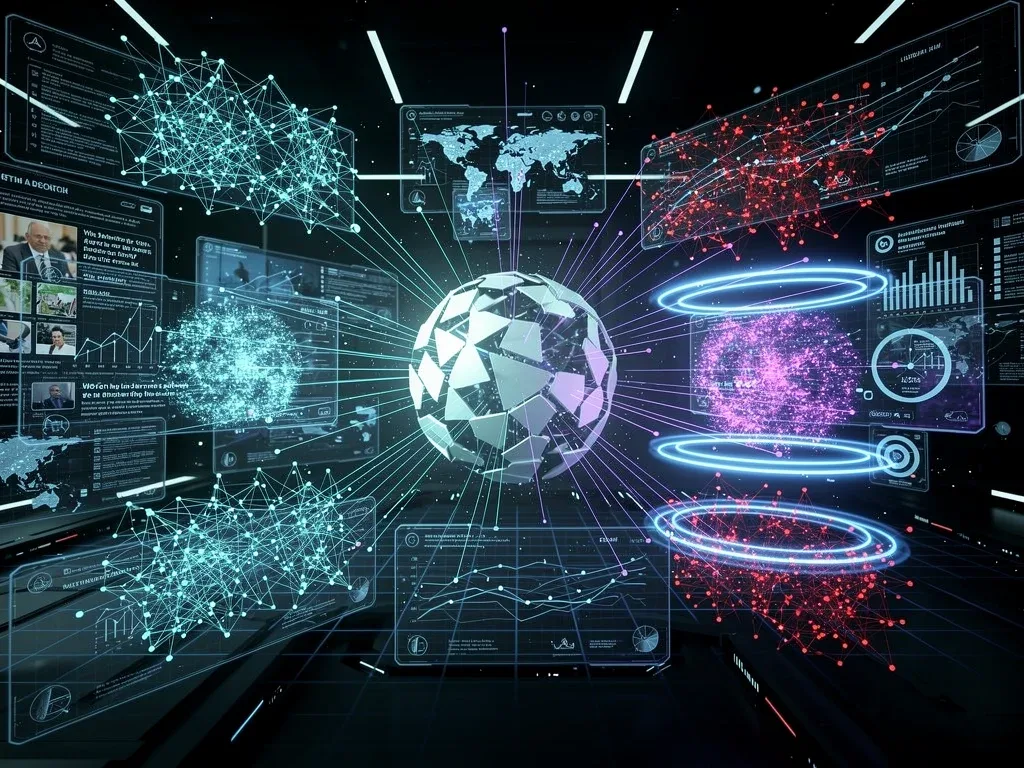
One key aspect involves leveraging cutting-edge technology for detection and analysis. The U.S. is deploying advanced AI and machine learning algorithms to identify patterns of state-sponsored narrative manipulation across various platforms. This includes:
- AI-Powered Content Analysis: Utilizing AI to detect subtle linguistic cues, thematic repetitions, and coordinated posting behaviors indicative of disinformation campaigns.
- Cross-Platform Monitoring: Developing tools to track disinformation spread across social media, traditional media, and encrypted messaging apps, understanding its full lifecycle.
- Data Forensics: Employing forensic techniques to uncover the origins and networks behind sophisticated digital influence operations, even when cloaked in layers of anonymity.
Furthermore, the U.S. is actively engaging with technology companies to promote greater transparency and accountability in their platforms. This involves advocating for stronger content moderation policies, clearer labeling of state-affiliated media, and mechanisms to swiftly remove inauthentic accounts and networks. The aim is to create an ecosystem where disinformation struggles to find traction.
The U.S. is also investing in strategic communications that proactively promote democratic values and highlight the benefits of an open society. This involves supporting international broadcasting, cultural exchange programs, and digital diplomacy initiatives that offer alternative narratives to those pushed by authoritarian regimes. The long-term goal is to build a global appreciation for truth and freedom of expression.
Technological Innovations in Disinformation Defense
The battle against disinformation in 2026 is increasingly fought on the technological front. The U.S. is at the forefront of developing and deploying innovative tools to detect, analyze, and counter malicious information campaigns. These innovations are critical for staying ahead of adversaries who are constantly refining their digital tactics.
Artificial intelligence and machine learning are proving to be indispensable. These technologies can process vast amounts of data at speeds impossible for human analysts, identifying emerging threats and patterns that might otherwise go unnoticed. From sentiment analysis to network mapping, AI offers a powerful advantage in understanding the complex dynamics of information warfare.
AI and Machine Learning for Detection
The application of AI and machine learning in disinformation detection is rapidly advancing. These systems are capable of identifying anomalies and suspicious activities across various digital platforms, providing early warnings of potential campaigns.
- Natural Language Processing (NLP): Advanced NLP models can analyze the content, style, and sentiment of text to identify coordinated messaging, propaganda, and emotionally manipulative language.
- Network Analysis: Machine learning algorithms can map social media networks, identify botnets, and detect coordinated inauthentic behavior by analyzing connection patterns and activity spikes.
- Deepfake Detection: Specialized AI tools are being developed to identify inconsistencies and digital artifacts in deepfake audio and video, helping to authenticate media content.
These technologies are not foolproof, and adversaries are also using AI to generate more convincing disinformation. Therefore, continuous research and development are essential to ensure that detection capabilities evolve at a faster pace than adversarial tactics. Collaboration between government, academia, and the private sector is vital for fostering this innovation.
Beyond detection, AI is also being explored for automated response mechanisms, such as flagging potentially false content for human review or providing context to users. However, ethical considerations and the risk of algorithmic bias remain significant challenges that require careful navigation. The focus is on augmenting human capabilities, not replacing them entirely.
Strengthening International Partnerships and Alliances
Disinformation is a global challenge that no single nation can effectively combat alone. In 2026, strengthening international partnerships and alliances is a cornerstone of the U.S. strategy to counter global disinformation. Collaborative efforts amplify reach, share expertise, and present a united front against malign influence operations.
These partnerships extend beyond traditional intelligence sharing. They involve joint research initiatives, coordinated diplomatic responses, and collective capacity building in countries vulnerable to information manipulation. The goal is to create a robust, interconnected defense system that can withstand and repel state-sponsored attacks from any direction.
Collaborative Frameworks for Disinformation Response
The U.S. is actively participating in and leading various international initiatives aimed at building a collective defense against disinformation. These frameworks facilitate the sharing of best practices and the development of common standards.
- NATO’s Strategic Communications Centre of Excellence: Working with NATO allies to develop doctrines, capabilities, and training for counter-disinformation.
- G7 Rapid Response Mechanism: Coordinating responses among leading democratic nations to identify and counter foreign interference, including disinformation.
- EU-U.S. Dialogue on Technology and Trade: Addressing disinformation as part of broader discussions on responsible technology governance and digital rights.
- Bilateral Agreements: Establishing specific agreements with key allies to share threat intelligence and coordinate defensive measures against shared adversaries.

These collaborative efforts are crucial for developing a comprehensive understanding of the global disinformation landscape. By pooling resources and expertise, allies can identify emerging threats more quickly and develop more effective countermeasures. This also helps to establish international norms around responsible state behavior in the information environment, holding malign actors accountable.
Furthermore, international partnerships are vital for supporting media freedom and independent journalism worldwide. Many countries lack the resources to effectively counter state-sponsored narratives. U.S. and allied support for local media organizations and fact-checkers helps to strengthen the information ecosystem globally, making it more resilient to external manipulation. This collective approach underscores the understanding that an attack on one democracy’s information space is an attack on all.
Building Societal Resilience and Media Literacy
Beyond technological and diplomatic solutions, a critical component of Countering Global Disinformation in 2026: U.S. Strategies to Combat 2 Major State-Sponsored Campaigns involves strengthening societal resilience from within. This means empowering citizens to critically evaluate information, recognize manipulative tactics, and become less susceptible to false narratives. Media literacy and critical thinking are essential skills in an increasingly complex information environment.
Disinformation often preys on existing biases and lack of awareness. By equipping individuals with the tools to discern credible sources from unreliable ones, the U.S. aims to inoculate the population against the effects of malign influence. This is a long-term investment in democratic health, moving beyond reactive measures to proactive prevention.
Educational Initiatives and Public Awareness
Education plays a pivotal role in building a more resilient society. The U.S. government, alongside non-profit organizations and educational institutions, is implementing various initiatives to enhance media literacy across different age groups.
- Curriculum Development: Integrating media literacy modules into school curricula, teaching students how to identify fake news, understand algorithmic biases, and critically analyze online content.
- Public Awareness Campaigns: Launching national campaigns to educate adults about common disinformation tactics, the importance of source verification, and the dangers of echo chambers.
- Fact-Checking Partnerships: Supporting independent fact-checking organizations and promoting their work as reliable sources of verified information.
These initiatives are designed to foster a culture of critical engagement with information. They emphasize the importance of diverse news consumption, cross-referencing sources, and understanding the motivations behind different narratives. The goal is not to tell people what to think, but to teach them how to think more critically about the information they encounter.
Moreover, efforts are being made to support local journalism and community media, which often serve as trusted sources of information within their respective communities. Strengthening these local ecosystems can help counter the spread of national or international disinformation narratives that might otherwise go unchallenged. Building societal resilience is a continuous process that requires sustained investment and broad participation.
Future Outlook: Adapting to New Disinformation Challenges
The fight against global disinformation is dynamic and ever-evolving. As the U.S. refines its strategies for Countering Global Disinformation in 2026: U.S. Strategies to Combat 2 Major State-Sponsored Campaigns, it must remain vigilant and adaptive to future challenges. Adversaries will continue to innovate, leveraging new technologies and exploiting emerging vulnerabilities. Therefore, ongoing research, development, and strategic foresight are paramount.
Looking ahead, the integration of quantum computing and advanced synthetic media generation will likely introduce new complexities to the disinformation landscape. The ability to create hyper-realistic, personalized disinformation at scale could pose unprecedented challenges. The U.S. must anticipate these developments and proactively invest in defensive capabilities.
Anticipating and Preparing for Emerging Threats
Preparation for future disinformation threats involves a multi-faceted approach, focusing on continuous innovation and strategic adaptation. This requires a strong commitment to research and development, as well as flexible policy frameworks.
- Quantum-Resistant Detection: Investing in research for quantum computing’s potential impact on cryptography and disinformation, developing quantum-resistant detection methods.
- Ethical AI Development: Promoting ethical guidelines and standards for AI development to prevent its misuse in generating and spreading disinformation.
- Scenario Planning: Conducting regular scenario planning exercises to anticipate future disinformation tactics and develop pre-emptive response strategies.
- Global Norms and Regulations: Advocating for international norms and regulations that address the responsible use of information technologies and deter state-sponsored malign influence.
The U.S. is also exploring the potential of decentralized technologies, such as blockchain, to verify the authenticity of information and create immutable records. While these technologies present their own challenges, they could offer novel solutions for combating deepfakes and ensuring content provenance. The future of information integrity will depend heavily on the ability to leverage technology responsibly and innovatively.
Ultimately, the long-term success in countering global disinformation hinges on a sustained commitment to defending democratic values, fostering transparency, and empowering citizens with critical thinking skills. It is a continuous effort that requires collaboration across governments, civil society, the private sector, and individual citizens to build a resilient and informed global society.
| Key Strategy | Brief Description |
|---|---|
| Enhanced Intelligence | Improved sharing and analysis of threat intelligence with allies to identify and track disinformation campaigns. |
| Technological Innovation | Development and deployment of AI/ML tools for advanced detection, analysis, and attribution of false narratives. |
| International Cooperation | Strengthening alliances and partnerships to create a united front and coordinate global responses against disinformation. |
| Societal Resilience | Investing in media literacy and critical thinking education to empower citizens against manipulative information. |
Frequently Asked Questions About Disinformation Strategies
What is state-sponsored disinformation?▼State-sponsored disinformation involves governments deliberately spreading false or misleading information to achieve political or strategic objectives, often targeting foreign populations or domestic dissidents. It uses various channels, from traditional media to social media, to manipulate public opinion and sow discord.
Why is countering disinformation so challenging in 2026?▼The challenge stems from rapid technological advancements like AI-generated deepfakes and sophisticated bot networks, combined with the sheer volume of online content. Adversaries adapt quickly, making detection difficult, and the erosion of public trust in institutions further complicates efforts to provide factual information.
How does the U.S. use technology to fight disinformation?▼The U.S. employs advanced AI and machine learning for content analysis, network mapping, and deepfake detection. These tools help identify coordinated campaigns, track their spread, and attribute them to state actors. Continuous R&D ensures these technologies evolve faster than adversarial tactics.
What role do international partnerships play?▼International partnerships are crucial for sharing intelligence, coordinating responses, and establishing global norms against malign influence. Collaborative frameworks like NATO’s Strategic Communications Centre of Excellence and the G7 Rapid Response Mechanism amplify efforts and present a united front against global disinformation threats.
How can citizens help combat disinformation?▼Citizens can help by developing strong media literacy skills, critically evaluating sources, verifying information before sharing it, and supporting independent journalism. Engaging with public awareness campaigns and educational initiatives also strengthens societal resilience against manipulative narratives, fostering a more informed populace.
Conclusion
The strategic imperative of Countering Global Disinformation in 2026: U.S. Strategies to Combat 2 Major State-Sponsored Campaigns underscores a pivotal moment in information warfare. The U.S. is deploying a comprehensive, multi-layered approach that integrates advanced technological solutions, robust international alliances, and a strong emphasis on building societal resilience through media literacy. This ongoing battle for truth and trust is fundamental to preserving democratic institutions and ensuring global stability against increasingly sophisticated state-sponsored threats. The commitment to innovation, collaboration, and education will define the success of these vital efforts in the years to come.