US Counterterrorism 2026: Threats, Partnerships, Future
Advertisements
By 2026, US counterterrorism strategies will pivot significantly, driven by a complex interplay of evolving global threats and the indispensable formation of new regional partnerships to ensure national and international security.
The landscape of global security is in constant flux, and by 2026, the challenges facing the United States in its fight against terrorism will have transformed considerably. Understanding the future of U.S. counterterrorism in 2026: adapting to 3 evolving global threats and new regional partnerships is crucial for safeguarding national interests and promoting international stability. This article delves into the anticipated shifts, highlighting key threats and the strategic alliances necessary to combat them effectively.
The Shifting Sands of Global Terrorism: New Actors and Ideologies
By 2026, the traditional understanding of terrorist organizations will have undergone significant evolution. The emergence of new, decentralized actors, often inspired by existing ideologies but operating with greater autonomy, presents a formidable challenge. These groups leverage advanced communication technologies and exploit geopolitical vacuums, making conventional counterterrorism approaches less effective.
The ideological underpinnings of terrorism are also diversifying. While religiously motivated extremism remains a concern, the rise of ethno-nationalist and ideologically extreme groups, fueled by online disinformation and social polarization, demands increased attention. These groups often operate domestically, complicating identification and intervention.
The Rise of Homegrown Extremism and Digital Radicalization
The digital realm has become a fertile ground for radicalization, accelerating the growth of homegrown extremist movements. Online echo chambers and encrypted communication channels facilitate the spread of extremist narratives, drawing individuals into violent ideologies with unprecedented speed.
- Sophisticated Online Propaganda: Terrorist groups are employing highly produced and targeted online content to recruit and inspire.
- Encrypted Communications: The widespread use of end-to-end encryption makes intelligence gathering and threat monitoring significantly more difficult.
- Decentralized Network Building: Online platforms allow individuals to connect and form cells with minimal physical interaction, reducing their footprint.
Addressing this digital threat requires a multi-pronged approach that combines technological solutions with robust community engagement and counter-narrative strategies. The psychological warfare waged online is as critical as any physical confrontation.
The shifting nature of terrorist actors and their ideologies necessitates a dynamic and adaptive counterterrorism strategy. Understanding the motivations and methods of these evolving threats is the first step towards developing effective countermeasures. This includes comprehensive intelligence analysis that goes beyond traditional profiling to encompass behavioral patterns in the digital space.
Cyberterrorism and Critical Infrastructure Vulnerabilities
The increasing reliance on interconnected digital systems across all sectors of society has created new avenues for terrorist exploitation. By 2026, cyberterrorism will pose a significant and potentially catastrophic threat, targeting critical infrastructure, economic systems, and public services. A successful cyber attack could cripple essential services, sow widespread panic, and undermine public trust.
Terrorist groups are actively investing in developing cyber capabilities, either through direct recruitment of skilled individuals or by acquiring tools and expertise from rogue states and criminal networks. The goal is not merely disruption but often involves espionage, data exfiltration, and ultimately, the ability to inflict physical damage through digital means.
Protecting Digital Fortresses: A National Imperative
Safeguarding critical infrastructure from cyberterrorist attacks is a paramount national security concern. This involves continuous investment in cybersecurity measures, proactive threat intelligence sharing, and the development of robust response and recovery protocols.
- Enhanced Cybersecurity Protocols: Implementing zero-trust architectures and continuous monitoring across all government and critical private sector networks.
- Public-Private Partnerships: Fostering collaboration between government agencies and private sector entities to share threat intelligence and develop joint defense strategies.
- Cyber Warfare Deterrence: Developing capabilities to deter and respond to state-sponsored or state-enabled cyberterrorism with proportional and effective measures.
The interconnectedness of modern society means that a cyber attack in one sector can have cascading effects across multiple domains. Therefore, a holistic approach to cybersecurity, encompassing all critical infrastructure, is essential. This includes not only technological defenses but also training and awareness programs for personnel to mitigate human error, often a weak link in security.
The threat of cyberterrorism demands a proactive and integrated defense strategy. This involves not only preventing attacks but also building resilience to minimize impact and ensure rapid recovery. International cooperation in sharing threat intelligence and best practices will be vital in this ongoing digital arms race.
The Proliferation of Advanced Weaponry and Dual-Use Technologies
The global proliferation of advanced conventional weaponry, along with the increasing accessibility of dual-use technologies, presents another critical threat to U.S. counterterrorism efforts by 2026. This includes everything from sophisticated drones and precision-guided munitions to biological agents and chemical precursors. These technologies, once the exclusive domain of state actors, are becoming more readily available to non-state groups, dramatically increasing their destructive potential.
The challenge lies in monitoring and controlling the flow of these technologies, particularly those with civilian applications that can be easily repurposed for malicious intent. The global supply chain for many of these components is complex and often opaque, making effective oversight difficult. This creates a significant risk of terrorist groups acquiring capabilities that could inflict mass casualties or widespread disruption.
Monitoring the Nexus of Technology and Terrorism
Preventing terrorist access to advanced weaponry and dual-use technologies requires robust intelligence gathering, international cooperation, and stringent export controls. The focus must be on identifying potential acquisition pathways and disrupting them before they can be exploited.
- Enhanced Intelligence Sharing: Collaborating with international partners to track the movement of sensitive materials and technologies.
- Stricter Export Controls: Implementing and enforcing rigorous controls on the export of dual-use items that could be weaponized.
- Counter-Proliferation Initiatives: Actively working to dismantle illicit networks involved in the trade of advanced weaponry and WMD components.
The implications of terrorist groups acquiring such capabilities are severe, demanding a proactive and comprehensive strategy. This includes not only preventing acquisition but also developing rapid response capabilities for scenarios involving chemical, biological, radiological, and nuclear (CBRN) threats. The intelligence community must be adept at identifying emerging technological trends and assessing their potential for weaponization by non-state actors.
The proliferation of advanced weaponry underscores the need for a global, coordinated effort. No single nation can effectively counter this threat alone. International treaties, shared intelligence, and joint operations are indispensable in mitigating this escalating danger.
New Regional Partnerships: A Cornerstone of Future Counterterrorism
In the face of these evolving threats, the U.S. counterterrorism strategy by 2026 will increasingly emphasize the formation and strengthening of new regional partnerships. Unilateral approaches are becoming less effective as threats become more diffuse and transnational. Collaborative efforts, built on mutual trust and shared objectives, are essential for intelligence sharing, joint operations, and capacity building in vulnerable regions. These partnerships extend beyond traditional military alliances to include intelligence agencies, law enforcement, and even non-governmental organizations.
The focus will be on empowering local partners to address threats within their own borders, providing training, resources, and technological assistance. This localized approach not only builds resilience in target regions but also reduces the footprint of U.S. forces, making counterterrorism efforts more sustainable and politically palatable in the long run.

Building Bridges, Sharing Burdens: The Power of Collaboration
Effective regional partnerships are characterized by open communication, shared intelligence platforms, and coordinated action. These partnerships allow for a more comprehensive understanding of local dynamics and a more tailored response to specific threats.
- Joint Intelligence Fusion Centers: Establishing centers where intelligence from multiple nations is analyzed collaboratively to provide a holistic threat picture.
- Capacity Building Programs: Providing training, equipment, and expertise to partner nations to enhance their counterterrorism capabilities.
- Multilateral Exercises: Conducting joint training exercises to improve interoperability and coordination during crisis situations.
These partnerships are not merely transactional; they are built on a foundation of shared values and a common understanding of the threat. They foster a sense of collective security, where the burden of counterterrorism is distributed among multiple stakeholders. The U.S. role shifts from being the primary actor to a facilitator and enabler, maximizing global reach and effectiveness. The diplomatic groundwork required to forge and maintain these alliances is as critical as the operational aspects.
New regional partnerships are fundamental to the future of U.S. counterterrorism. They offer a sustainable and effective model for addressing complex, transnational threats by leveraging local expertise and distributing the operational load.
Technological Innovation: AI, Big Data, and Predictive Analytics
By 2026, technological innovation will be at the forefront of U.S. counterterrorism efforts, with artificial intelligence (AI), big data analytics, and predictive modeling playing increasingly critical roles. These technologies offer unprecedented capabilities for identifying, tracking, and disrupting terrorist activities, moving beyond reactive responses to proactive intervention. The sheer volume of data generated globally, from social media to financial transactions, provides a rich source for intelligence, but only with advanced tools can it be effectively processed and analyzed.
AI algorithms can sift through vast datasets to identify anomalous patterns, detect suspicious behaviors, and even predict potential threats before they materialize. This includes analyzing communication networks, financial flows, and travel patterns to uncover hidden connections and intentions. The integration of these tools into existing intelligence frameworks promises to significantly enhance situational awareness and decision-making capabilities.
Leveraging Data for Proactive Security
The ethical implications and privacy concerns associated with these technologies must be carefully navigated, but their potential for enhancing national security is undeniable. Striking the right balance between security and civil liberties will be a continuous challenge.
- Automated Threat Detection: AI-powered systems can monitor large-scale data streams for indicators of terrorist planning or radicalization.
- Predictive Modeling: Algorithms can identify high-risk individuals or groups based on behavioral patterns and historical data.
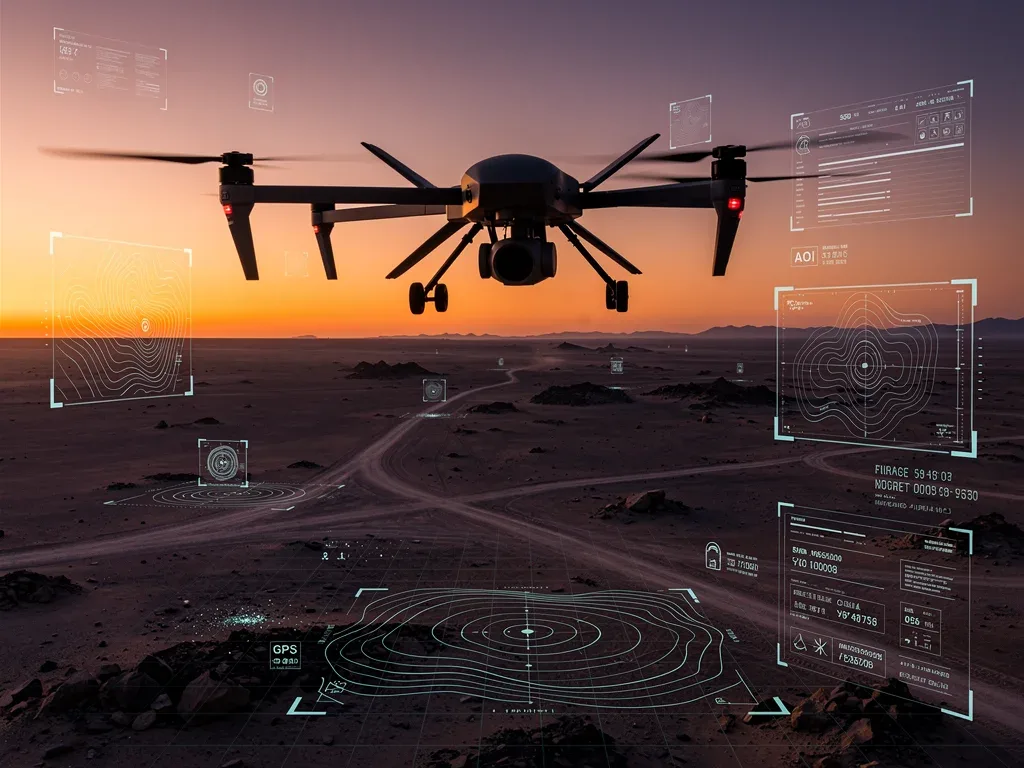
- Enhanced Surveillance Capabilities: Drones and advanced sensors, coupled with AI, provide unparalleled real-time intelligence gathering for targeted operations.
The development and deployment of these technologies require significant investment and a highly skilled workforce capable of understanding and managing complex AI systems. Continuous research and development will be necessary to stay ahead of adversaries who are also keen to exploit technological advancements. The ethical frameworks guiding the use of AI in counterterrorism must be robust and transparent, ensuring accountability and preventing misuse.
Technological innovation, particularly in AI and big data, offers a transformative pathway for future counterterrorism. These tools enable more precise, proactive, and efficient responses, but their effective implementation requires careful consideration of both capability and ethical responsibility.
Addressing Root Causes: A Holistic Approach
While direct counterterrorism operations and technological advancements are critical, a sustainable long-term strategy for 2026 must also address the underlying root causes of terrorism. This includes factors such as poverty, political instability, social injustice, lack of education, and unresolved conflicts. Ignoring these systemic issues merely creates fertile ground for extremist ideologies to take root and flourish, perpetuating cycles of violence and radicalization.
A holistic approach involves diplomatic engagement, economic development, humanitarian assistance, and conflict resolution initiatives. These efforts aim to build resilient societies that are less susceptible to extremist recruitment and more capable of self-governance and stability. This is a long-term investment, but one that is essential for truly eradicating the conditions that breed terrorism.
Investing in Stability: Beyond Military Solutions
The U.S. must leverage its diplomatic and economic tools to support governance, promote human rights, and foster inclusive development in vulnerable regions. This preventative approach complements kinetic actions and reduces the need for future interventions.
- Economic Development Programs: Investing in infrastructure, education, and job creation to offer alternatives to extremism.
- Good Governance Initiatives: Supporting reforms that promote transparency, accountability, and the rule of law.
- Conflict Resolution and Peacebuilding: Engaging in diplomatic efforts to resolve protracted conflicts that fuel resentment and instability.
Addressing root causes requires patience and a sustained commitment, often yielding results over decades rather than years. However, history has shown that a purely military approach to counterterrorism is insufficient without concurrent efforts to build stable, prosperous, and just societies. This comprehensive strategy acknowledges that security is not just about eliminating threats, but also about cultivating environments where peace and opportunity can thrive. International cooperation in these developmental efforts is also paramount, pooling resources and expertise for greater impact.
A holistic approach that addresses the root causes of terrorism is crucial for long-term success. By investing in stability, development, and good governance, the U.S. can create environments less conducive to extremist ideologies, ultimately reducing the threat of terrorism globally.
The Role of International Law and Human Rights in Counterterrorism
As U.S. counterterrorism strategies evolve by 2026, adherence to international law and respect for human rights will remain fundamental pillars. The effectiveness and legitimacy of counterterrorism efforts are intrinsically linked to their compliance with established legal and ethical norms. Violations of human rights, such as arbitrary detention, torture, or disproportionate use of force, can alienate local populations, fuel grievances, and inadvertently contribute to radicalization, thereby undermining long-term security objectives. Maintaining a strong moral compass is not just an ethical imperative but a strategic necessity.
International legal frameworks, including humanitarian law and human rights law, provide essential guidelines for conducting counterterrorism operations responsibly. These frameworks ensure accountability, prevent abuses, and help maintain the global coalition against terrorism by upholding shared values. The U.S. must lead by example, demonstrating that security can be achieved without sacrificing fundamental principles.
Upholding Values, Ensuring Legitimacy
Integrating international law and human rights considerations into every aspect of counterterrorism policy and practice is vital for maintaining domestic and international support.
- Legal and Ethical Training: Ensuring all personnel involved in counterterrorism operations receive comprehensive training on international law and human rights.
- Oversight and Accountability: Establishing robust mechanisms for oversight and accountability to investigate and address any alleged violations.
- Transparency in Operations: Promoting greater transparency in counterterrorism operations to build trust and counter disinformation campaigns.
The long-term success of counterterrorism depends not just on eliminating immediate threats, but on building a foundation of legitimacy and trust. When counterterrorism efforts are perceived as just and lawful, they gain greater public support, both domestically and internationally, making it easier to forge partnerships and gather critical intelligence. Conversely, perceived injustices can become powerful recruiting tools for extremist groups, creating a vicious cycle. Therefore, adherence to these principles is not a constraint on effectiveness but rather an essential component of it.
Adherence to international law and human rights is paramount for the legitimacy and long-term success of U.S. counterterrorism efforts. It ensures that strategies are effective, ethical, and do not inadvertently exacerbate the very problems they seek to solve.
| Key Aspect | Brief Description |
|---|---|
| Evolving Threats | Decentralized actors, homegrown extremism, cyberterrorism, and advanced weaponry proliferation. |
| Regional Partnerships | Crucial for intelligence sharing, joint operations, and capacity building, moving beyond unilateralism. |
| Technological Integration | AI, big data, and predictive analytics for proactive threat detection and disruption. |
| Root Cause Addressing | Holistic approach: diplomacy, economic development, and conflict resolution to build stability. |
Frequently Asked Questions About Future Counterterrorism
How will U.S. counterterrorism adapt to decentralized groups by 2026?▼U.S. counterterrorism will adapt by focusing on enhanced intelligence sharing through regional partnerships, leveraging AI for digital radicalization detection, and empowering local forces. This shift aims to counter the agility and distributed nature of new terrorist networks more effectively.
What role will cyberterrorism play in 2026’s threat landscape?▼Cyberterrorism will be a paramount threat, targeting critical infrastructure and economic systems. U.S. strategy will prioritize robust cybersecurity, public-private partnerships, and cyber warfare deterrence to protect digital assets and prevent widespread disruption.
Why are regional partnerships crucial for future U.S. counterterrorism?▼Regional partnerships are crucial because global threats are transnational and diffuse. They enable better intelligence sharing, joint operations, and capacity building, distributing the burden and leveraging local expertise for more sustainable and effective responses.
How will technology like AI transform counterterrorism efforts?▼AI, big data, and predictive analytics will transform counterterrorism by enabling automated threat detection, predictive modeling of risks, and enhanced surveillance. These tools will allow for more proactive and precise interventions, moving beyond reactive measures.
What is the importance of addressing root causes in counterterrorism?▼Addressing root causes like poverty, instability, and injustice is vital for long-term counterterrorism success. A holistic approach including diplomacy, economic development, and conflict resolution builds resilient societies less susceptible to extremist recruitment, complementing direct security actions.
Conclusion
The future of U.S. counterterrorism in 2026 will be defined by a dynamic interplay of evolving threats and innovative responses. From the rise of decentralized, digitally radicalized groups and the pervasive danger of cyberterrorism to the proliferation of advanced weaponry, the challenges are complex and interconnected. The strategic pivot towards strengthening new regional partnerships, leveraging cutting-edge technological advancements like AI and big data, and a sustained commitment to addressing the root causes of extremism will be paramount. Ultimately, success will hinge on a comprehensive, adaptive, and ethically grounded approach that balances aggressive threat mitigation with proactive diplomacy and development, ensuring both national security and global stability in an increasingly unpredictable world.