US Agricultural Exports & Global Food Security 2026
Advertisements
U.S. agricultural exports are pivotal in determining global food security in 2026, significantly influencing the stability and nutritional well-being of ten particularly vulnerable nations worldwide.
The intricate web of global economics and geopolitics often converges on a fundamental human need: food. As we look towards 2026, the discussion around US agricultural exports and their impact on global food security becomes increasingly vital. This article delves into how America’s vast agricultural output shapes the destinies of ten vulnerable nations, exploring the complex interplay of trade, aid, and geopolitical stability.
The Geopolitical Landscape of Food in 2026
In 2026, the world grapples with a dynamic geopolitical landscape where food is not merely sustenance but a strategic asset. Climate change, regional conflicts, and economic disparities continue to exacerbate food insecurity in many parts of the globe. The United States, as one of the largest agricultural producers and exporters, holds a unique position in this complex scenario, with its policies and output directly influencing global food stability.
Understanding the context of global food security requires acknowledging the multifaceted challenges faced by nations with limited domestic agricultural capacity or those prone to environmental shocks. These vulnerabilities are often compounded by political instability, insufficient infrastructure, and limited access to international markets, making them highly dependent on external food sources.
The role of major agricultural exporters, like the U.S., extends beyond mere commerce; it becomes a critical component of international relations and humanitarian efforts. The decisions made regarding export volumes, trade agreements, and food aid programs carry significant weight, impacting millions of lives and shaping geopolitical alliances.
Climate Change and Agricultural Resilience
Climate change remains a dominant factor influencing agricultural productivity worldwide. Erratic weather patterns, prolonged droughts, and increased frequency of extreme weather events directly threaten crop yields in many regions, especially in developing countries. The U.S., while not immune, possesses greater resources and technological advancements to mitigate some of these impacts, allowing it to maintain relatively stable production levels.
- Increased frequency of extreme weather events impacting crop cycles.
- Shifting agricultural zones and water availability challenges.
- Need for climate-resilient crop varieties and farming practices.
The ability of U.S. agriculture to adapt and innovate in the face of climate change provides a crucial buffer for nations struggling with their own environmental challenges. This resilience underpins the continued importance of US agricultural exports in the global food system.
Moreover, the global community’s response to climate-induced food crises often relies on the capacity of nations like the U.S. to provide emergency food supplies. This highlights the humanitarian dimension of agricultural trade, where exports serve as a lifeline in disaster-stricken areas.
Key U.S. Agricultural Exports and Their Reach
The United States consistently ranks among the top global exporters of agricultural products, including grains, soybeans, meat, and dairy. These exports are not uniformly distributed but strategically directed based on market demand, trade agreements, and humanitarian needs. The sheer volume and diversity of U.S. agricultural output make it an indispensable player in feeding the world.
Corn, wheat, and soybeans represent significant portions of U.S. agricultural exports. These commodities serve as staple foods, animal feed, and raw materials for various industries globally. Their availability and pricing heavily influence food costs and supply chains in importing nations, especially those with limited domestic production.
Beyond bulk commodities, the U.S. also exports high-value products such as fruits, vegetables, and processed foods. While these may not address mass caloric needs in the same way as grains, they contribute to dietary diversity and economic development in recipient countries, fostering local markets and improving nutritional outcomes.
The Dominance of Grains and Soybeans
Grains and soybeans are the backbone of US agricultural exports. Their high caloric value, versatility, and relative ease of storage make them critical for global food security. These exports support livestock industries, provide essential nutrition, and stabilize food prices in many countries.
- Corn: Used for human consumption, animal feed, and biofuel production.
- Wheat: A global staple for bread, pasta, and other food products.
- Soybeans: Crucial for animal feed, edible oils, and protein sources.
The consistent production and export of these commodities by the U.S. help to offset deficits in regions affected by poor harvests or natural disasters. This steady supply is a significant factor in preventing widespread food shortages and maintaining a degree of market predictability.
Furthermore, technological advancements in U.S. agriculture, such as genetically modified crops and precision farming, contribute to higher yields and greater efficiency, ensuring a robust export capacity even in challenging environmental conditions. This technological edge further solidifies the U.S. position as a reliable food supplier.
Identifying 10 Vulnerable Nations in 2026
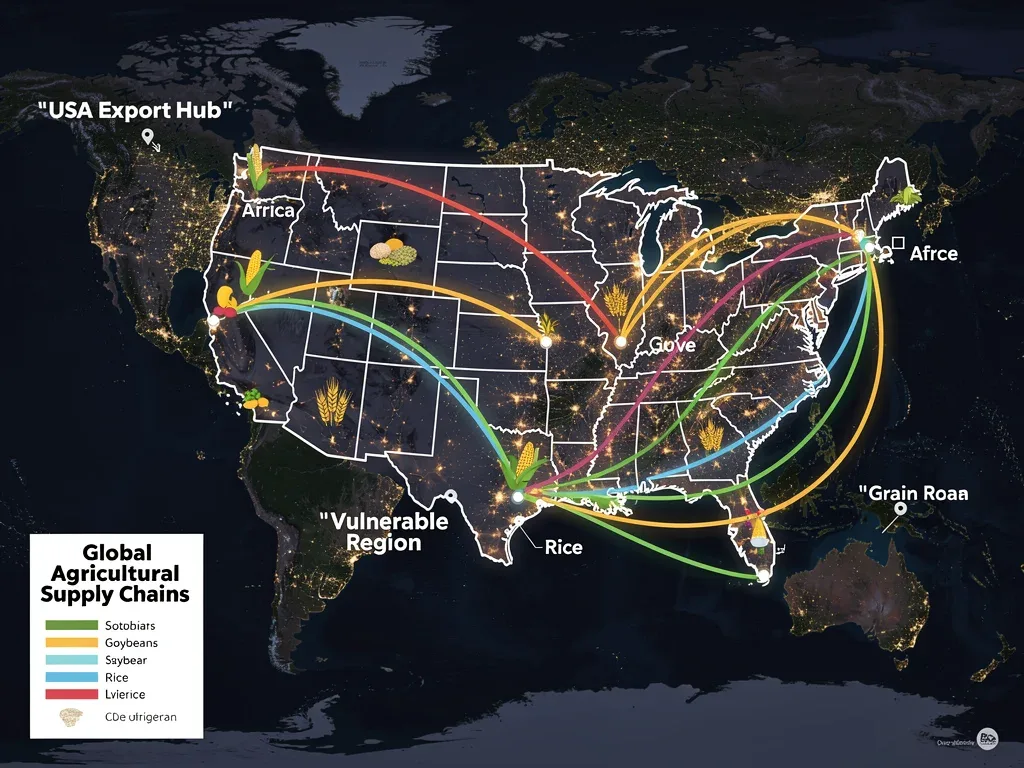
For the purpose of this analysis, we identify ten nations particularly vulnerable to food insecurity in 2026, where U.S. agricultural exports play a critical role. These countries often share characteristics such as high poverty rates, political instability, reliance on a single crop, susceptibility to climate shocks, and limited access to global markets. Their food security situations are precarious, making external support indispensable.
The selection of these nations is based on current projections from international organizations like the FAO, WFP, and various geopolitical think tanks, which highlight regions at high risk of food crises. While specific names can change with evolving situations, the underlying factors of vulnerability remain consistent.
Understanding the specific challenges each of these nations faces allows for a more nuanced appreciation of how U.S. exports, whether through commercial trade or humanitarian aid, can make a tangible difference. The impact is rarely uniform; it varies based on local economic structures, political will, and existing infrastructure.
Factors Contributing to Vulnerability
Several interconnected factors contribute to a nation’s food insecurity. These factors create a complex web of challenges that often require comprehensive, multi-faceted solutions, with food imports being a crucial, immediate measure.
- Political instability and ongoing conflicts disrupting agricultural production and distribution.
- High dependence on rain-fed agriculture, making them susceptible to droughts and floods.
- Limited economic diversification and reliance on a few primary commodities.
- Weak infrastructure, hindering transportation and storage of food.
- Rapid population growth outpacing domestic food production capacity.
These vulnerabilities mean that even minor disruptions in global food markets or supply chains can have devastating consequences. The consistent flow of US agricultural exports acts as a vital safety net, mitigating some of the immediate risks associated with these inherent fragilities.
Moreover, the lack of robust social safety nets in many of these vulnerable nations means that food price volatility disproportionately affects the poorest segments of the population, pushing more families into extreme hunger. U.S. exports can help stabilize local markets and provide relief.
The Direct Impact of U.S. Exports on Vulnerable Nations
The direct impact of U.S. agricultural exports on vulnerable nations is profound and multifaceted. These exports provide essential caloric intake, stabilize local food prices, and can even contribute to regional stability by reducing food-related unrest. Without these supplies, many of these nations would face severe humanitarian crises.
In countries where domestic food production is insufficient or has been devastated by conflict or natural disaster, U.S. food aid and commercial exports fill critical gaps. This immediate provision of food saves lives and allows communities to focus on recovery and rebuilding, rather than succumbing to starvation.
Beyond direct consumption, U.S. agricultural products often serve as inputs for local industries, such as milling or livestock farming, thereby supporting local economies and creating jobs. This secondary impact can help foster long-term resilience, though it also raises questions about dependency.
Case Studies: Specific Impacts
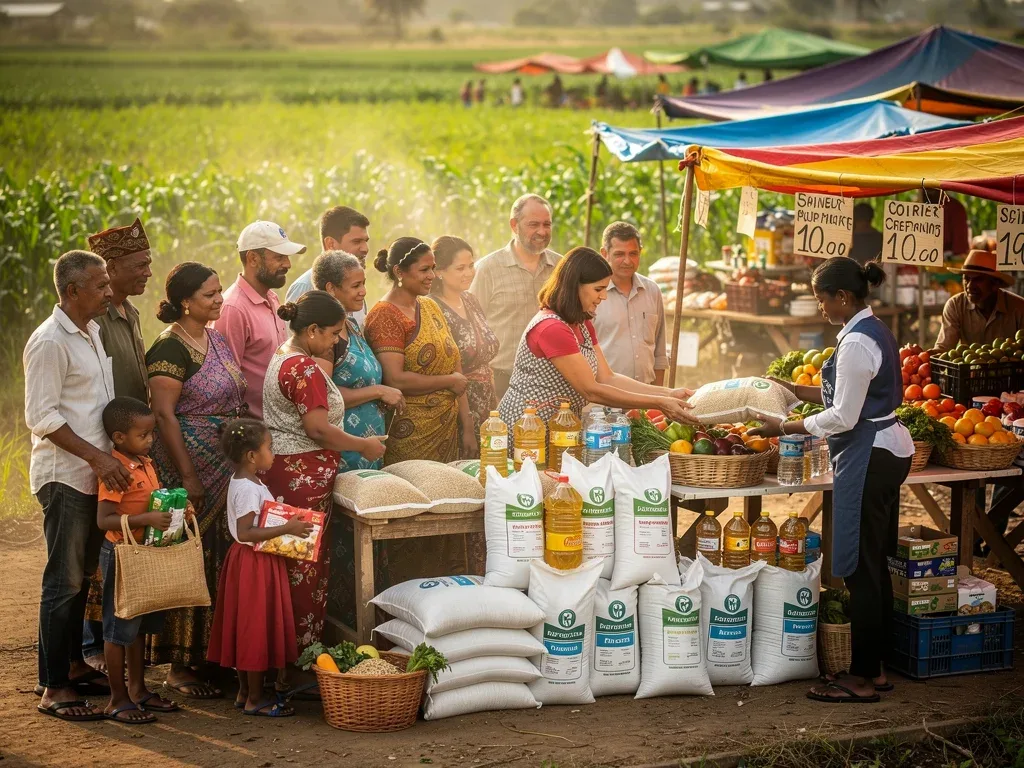
Examining specific examples illustrates the varied ways U.S. exports influence these nations. For instance, in a drought-stricken East African country, U.S. wheat shipments might prevent widespread famine, while in a conflict-affected Middle Eastern nation, U.S. rice could be a critical component of humanitarian relief efforts.
- Preventing famine in drought-affected regions through grain donations.
- Stabilizing market prices for staple foods in import-dependent economies.
- Providing essential feed for livestock industries, supporting local protein sources.
- Supplying fortified foods to address malnutrition in vulnerable populations.
The consistency and reliability of US agricultural exports are often as important as the volume. Nations can plan their food security strategies with a reasonable expectation of external supply, which is a luxury many vulnerable countries cannot afford from other, less stable, sources.
Furthermore, U.S. agricultural expertise and technology, sometimes accompanying these exports, can also contribute to capacity building in recipient countries, helping them improve their own agricultural practices over time. This transfer of knowledge is a less direct but equally valuable form of support.
Challenges and Criticisms of U.S. Export Dependency
While the benefits of U.S. agricultural exports to vulnerable nations are undeniable, the relationship is not without its challenges and criticisms. Dependency on a single source, even a reliable one, can create vulnerabilities. Fluctuations in U.S. production, changes in trade policy, or shifts in global commodity prices can have ripple effects across importing nations.
Critics often point to the potential for market distortion, where subsidized U.S. agricultural products can undercut local farmers in importing countries, hindering their ability to compete and develop domestic agricultural sectors. This can perpetuate a cycle of dependency rather than fostering self-sufficiency.
Moreover, the logistical challenges of transporting large volumes of food to remote or conflict-affected regions can be immense, leading to delays, increased costs, and spoilage. Ensuring that food reaches those who need it most, efficiently and equitably, remains a significant hurdle.
Addressing Dependency and Fostering Self-Sufficiency
The long-term goal for vulnerable nations is to achieve greater food self-sufficiency, reducing their reliance on external aid and imports. This requires significant investment in local agriculture, infrastructure, and policy reforms that support domestic farmers.
- Investing in local agricultural research and development.
- Improving irrigation systems and water management.
- Developing robust market infrastructure and supply chains.
- Implementing policies that protect local farmers from unfair competition.
- Promoting crop diversification and sustainable farming practices.
The U.S. plays a role not just as an exporter, but also as a partner in development. Programs that support agricultural capacity building, technology transfer, and sustainable practices in vulnerable nations are crucial for transitioning away from chronic dependency. Such initiatives aim to empower countries to feed their own populations in the long run, even while providing immediate relief through US agricultural exports.
The balance between providing immediate food assistance and fostering long-term agricultural development is a delicate one, requiring careful policy formulation and international cooperation. The ultimate aim is to create food systems that are resilient, equitable, and sustainable for all.
Future Trends and Geopolitical Implications by 2026
Looking ahead to 2026, several trends will continue to shape the landscape of global food security and the role of U.S. agricultural exports. These include evolving climate patterns, advancements in agricultural technology, shifting geopolitical alliances, and changing global consumption patterns. The interplay of these forces will determine the future effectiveness and necessity of U.S. food contributions.
Technological innovations in precision agriculture, biotechnology, and data analytics are poised to further enhance U.S. agricultural productivity and efficiency. These advancements could lead to even greater export capacity, but also pose questions about equitable access and technology transfer to developing nations.
Geopolitical shifts, such as the rise of new economic powers and changes in international trade agreements, will also influence where and how U.S. agricultural products are distributed. Food diplomacy is likely to become an even more prominent tool in international relations, with exports used to build alliances and exert soft power.
The Role of Sustainable Agriculture and Trade Policies
Sustainability will be a growing concern in global agriculture. Consumers and governments alike are increasingly demanding environmentally friendly farming practices. This will influence U.S. production methods and export standards, potentially affecting market access for some products.
- Increased focus on carbon footprint and water usage in agriculture.
- Demand for sustainably sourced and ethically produced food.
- Development of new trade policies incorporating environmental standards.
- Potential for green tariffs and trade barriers based on sustainability metrics.
The U.S. will need to navigate these evolving demands, balancing its role as a major food provider with the imperative for sustainable practices. Future trade agreements are likely to include clauses related to environmental protection and labor standards, impacting the flow of US agricultural exports.
Furthermore, the increasing frequency of global health crises could lead to greater emphasis on resilient and localized food systems, potentially shifting the focus from large-scale international trade to regional self-sufficiency. However, for many vulnerable nations, international trade will remain a critical component of their food security strategy for the foreseeable future.
| Key Aspect | Brief Description |
|---|---|
| US Export Volume | The United States remains a top agricultural exporter, crucial for global food supply. |
| Vulnerable Nations | Ten nations are highly dependent on external food sources due to various fragilities. |
| Impact on Stability | U.S. exports help stabilize food prices and prevent humanitarian crises in recipient countries. |
| Future Outlook | Climate change, technology, and geopolitics will continue to shape global food dynamics. |
Frequently Asked Questions About Global Food Security
What are the primary U.S. agricultural exports impacting global food security?▼The primary U.S. agricultural exports crucial for global food security include grains like corn and wheat, and soybeans. These commodities provide essential calories and protein, serving as staples for human consumption, animal feed, and industrial raw materials worldwide.
How does climate change affect the reliance of vulnerable nations on U.S. exports?▼Climate change exacerbates food insecurity in vulnerable nations through extreme weather, diminishing local harvests. This increases their reliance on stable external sources like U.S. agricultural exports, which often come from regions with more resilient agricultural infrastructure and advanced farming techniques.
Do U.S. agricultural exports create dependency in recipient nations?▼While U.S. exports provide vital food supplies, concerns exist about fostering long-term dependency. Subsidized products can sometimes hinder the development of local agricultural sectors, making it challenging for recipient nations to achieve food self-sufficiency in the long run.
What role do U.S. food aid programs play alongside commercial exports?▼U.S. food aid programs are distinct from commercial exports, specifically targeting humanitarian crises and severe food shortages in vulnerable regions. They provide emergency relief and nutritional support, often complementing commercial trade by addressing immediate needs where market mechanisms fail.
How might geopolitical shifts in 2026 impact U.S. agricultural export strategies?▼Geopolitical shifts in 2026 could lead to changes in trade alliances, tariffs, and market access, influencing where U.S. agricultural exports are directed. Food diplomacy may become a more significant tool, with export strategies aligning with broader foreign policy objectives and regional stability efforts.
Conclusion
The role of US agricultural exports in shaping global food security in 2026 is undeniably central. As this analysis has shown, America’s vast agricultural output provides a critical lifeline to ten particularly vulnerable nations, mitigating crises and stabilizing markets. However, this influence comes with complexities, including the potential for dependency and the need for sustainable practices. Moving forward, the balance between providing essential supplies and fostering long-term self-sufficiency in these nations will be crucial. The evolving geopolitical landscape, climate challenges, and technological advancements will continue to redefine this vital relationship, making informed policy and international cooperation more important than ever to ensure a food-secure future for all.