Arctic Geopolitics 2026: US Interests vs. Russia’s New Bases
Advertisements
The Arctic’s geopolitical chessboard in 2026 is defined by intensifying competition, with U.S. strategic interests directly confronting the implications of Russia’s two new military bases on regional stability and future global power dynamics.
The Arctic, once a frozen frontier, is rapidly transforming into a pivotal stage for global power competition. In 2026, the intricate dynamics of The Arctic’s Geopolitical Chessboard in 2026: Assessing U.S. Strategic Interests and Russia’s 2 New Military Bases demand close examination, as thawing ice opens new routes and access to untapped resources, intensifying the strategic calculus for major players like the United States and Russia.
The evolving Arctic landscape and its strategic implications
The Arctic’s physical environment is undergoing profound changes, primarily driven by climate change. The receding ice cap is not merely an environmental concern; it is a catalyst for new geopolitical realities. These changes are opening up previously inaccessible shipping routes, such as the Northern Sea Route, and making vast reserves of natural resources, including oil, gas, and rare earth minerals, more attainable.
For nations with Arctic coastlines and those with significant economic and security interests, this transformation presents both opportunities and challenges. The potential for increased maritime traffic necessitates enhanced search and rescue capabilities, environmental protection, and, crucially, robust national security postures. The strategic implications extend beyond economic gains, touching upon sovereignty, defense, and international cooperation.
new shipping routes and economic opportunities
- Northern Sea Route (NSR): Offers a significantly shorter transit time between Europe and Asia compared to the Suez Canal, reducing fuel costs and carbon emissions.
- Northwest Passage: While more challenging to navigate, its increasing accessibility could provide an alternative route, especially for North American trade.
- Resource Extraction: The Arctic holds an estimated 30% of the world’s undiscovered gas and 13% of its undiscovered oil, alongside critical minerals vital for modern technology.
The economic potential of these developments is immense, promising new avenues for trade and resource exploitation. However, the pursuit of these opportunities also raises complex questions about environmental stewardship and the potential for increased geopolitical friction as nations vie for control and access.
U.S. strategic interests in the Arctic in 2026
The United States’ strategic interests in the Arctic are multifaceted, encompassing national security, economic prosperity, and environmental protection. In 2026, these interests are more pronounced than ever, driven by the evolving geopolitical landscape and the increasing activities of other Arctic nations, particularly Russia.
Ensuring freedom of navigation, protecting U.S. sovereign territory and economic zones, and promoting a stable, rules-based order in the region are paramount. The U.S. also seeks to advance scientific research, collaborate with allies on climate resilience, and support the well-being of Arctic indigenous communities.
national security imperatives
From a national security perspective, the Arctic serves as a critical strategic frontier. The region’s proximity to North America makes it a vital area for missile defense, early warning systems, and strategic deterrence. The U.S. aims to maintain a credible presence to deter aggression and respond to potential threats in this increasingly accessible domain.
- Homeland Defense: Strengthening defenses against potential threats crossing the Arctic, including ballistic missiles and long-range bombers.
- Maritime Security: Ensuring the ability of the U.S. Navy and Coast Guard to operate effectively in Arctic waters, including ice-capable vessels.
- Allied Cooperation: Enhancing interoperability with NATO allies and partners like Canada, Denmark, Finland, Sweden, Iceland, and Norway to collectively secure the region.
The strategic importance of the Arctic for the U.S. is not solely military. It also involves safeguarding economic interests, such as fishing rights and potential resource exploration, while upholding international law and promoting peaceful resolution of disputes.
Russia’s expanding military footprint: the two new bases
Russia has long viewed the Arctic as a region of paramount strategic importance, a perspective reinforced by its extensive Arctic coastline and historical presence. In 2026, the establishment of two new military bases further solidifies Russia’s assertive posture, significantly altering the regional power balance.
These bases are not isolated outposts but integral components of a broader strategy to secure Russia’s northern flank, protect its economic interests in the Northern Sea Route, and project power across the Arctic. Their development reflects a concerted effort to modernize and expand its Arctic military capabilities.
strategic locations and capabilities
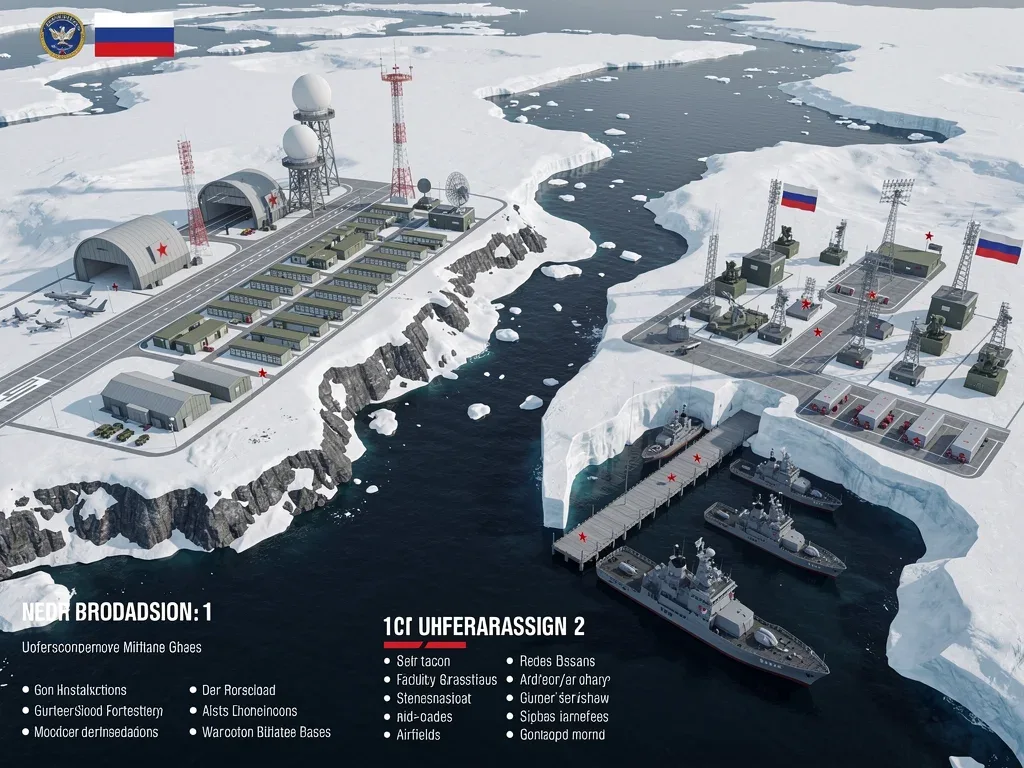
While specific details about the exact locations and full capabilities of these two new bases remain somewhat veiled, their strategic placement is designed to enhance Russia’s ability to control key choke points along the Northern Sea Route and to provide comprehensive surveillance and defense coverage.
- Enhanced Air Defense: Equipped with advanced radar systems and anti-aircraft missile batteries to monitor and control Arctic airspace.
- Naval Support: Providing logistical support, maintenance, and staging areas for Russia’s growing icebreaker fleet and naval vessels.
- Troop Deployment: Facilitating the rapid deployment and sustainment of ground forces, including specialized Arctic brigades, for defense and operational purposes.
The construction of these bases is part of a larger pattern of militarization, which includes reactivating Soviet-era airfields and building new infrastructure across the Russian Arctic. This expansion signals Russia’s long-term commitment to asserting its dominance in the region.
Assessing the implications for regional stability
The presence of Russia’s two new military bases introduces a new layer of complexity to Arctic geopolitics, raising legitimate concerns about regional stability. While Russia asserts these bases are purely defensive and necessary for protecting its national interests, other Arctic nations, particularly the U.S. and its allies, view them with apprehension.
The potential for miscalculation or unintended escalation is a significant concern, especially given the increased military activity from all sides. Maintaining open lines of communication and adhering to international norms are crucial for preventing conflicts.
potential for increased tension
The militarization of the Arctic by any nation inevitably leads to a heightened sense of vigilance and, potentially, reciprocal actions from others. This could manifest in increased military exercises, surveillance operations, and a general strengthening of defenses, creating a cycle of escalating tension.
- Security Dilemma: Actions taken by one state to increase its security are perceived as threatening by others, leading them to increase their own security, resulting in a net decrease in security for all.
- Accidental Escalation: The risk of incidents involving military assets from different nations, potentially leading to unintended confrontations.
- Challenges to Freedom of Navigation: Russia’s increased control over the Northern Sea Route, potentially imposing stricter regulations or fees on international shipping.
The balance of power in the Arctic is delicate, and any significant military buildup, such as the new Russian bases, requires careful diplomatic engagement to mitigate risks and ensure continued stability.
U.S. response and alliance strategies
In response to Russia’s growing military presence, the United States is actively pursuing a multi-pronged strategy that combines strengthening its own capabilities with enhancing alliances and diplomatic engagement. The objective is to ensure U.S. interests are protected while promoting a peaceful and cooperative Arctic.
This approach involves investing in critical infrastructure, developing new technologies suitable for Arctic operations, and fostering stronger partnerships with like-minded nations. The U.S. recognizes that a collective security approach is essential in a region as vast and challenging as the Arctic.
strengthening domestic capabilities
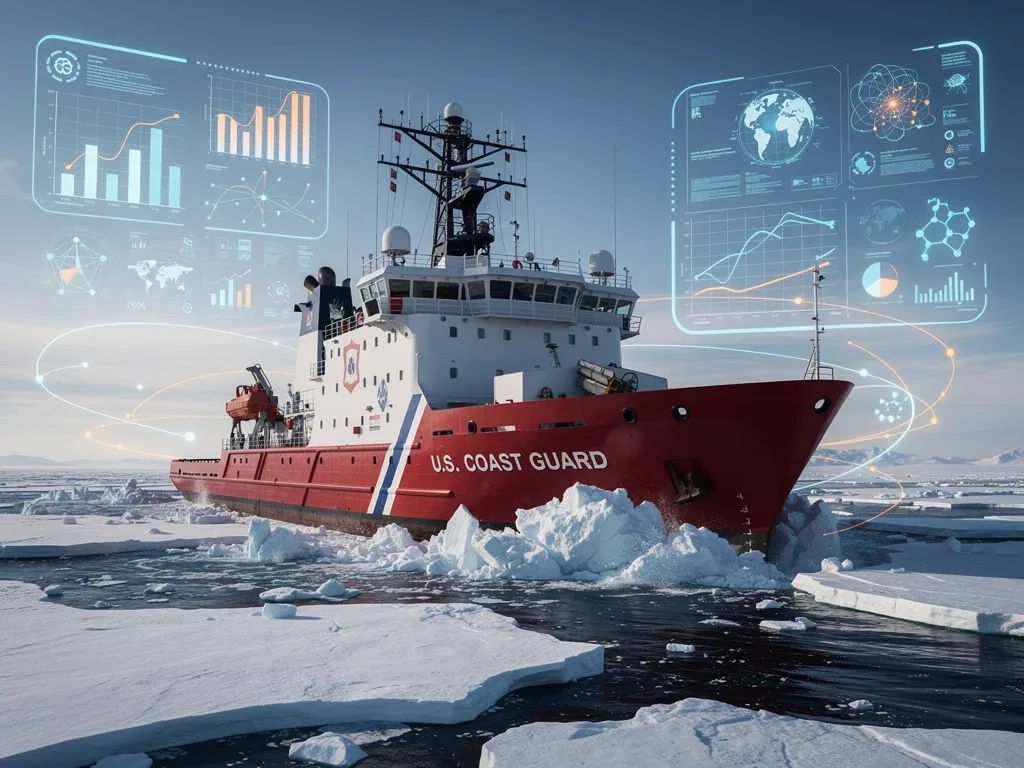
The U.S. is prioritizing investments in icebreakers, Arctic-capable aircraft, and advanced surveillance systems. These assets are crucial for maintaining a persistent presence, conducting scientific research, and responding to emergencies in the harsh Arctic environment.
- Icebreaker Fleet Expansion: Acquiring new heavy and medium icebreakers to ensure year-round access and operational capacity.
- Arctic-adapted Military Assets: Developing and deploying equipment and personnel specifically trained and designed for extreme cold weather operations.
- Infrastructure Development: Improving ports, airfields, and communication networks in Alaska and other Arctic-adjacent territories to support increased activity.
Beyond military assets, the U.S. is also investing in scientific research to better understand the Arctic’s changing environment and its implications for global climate patterns and resource management.
enhancing alliances and international cooperation
Collaboration with allies and partners is a cornerstone of U.S. Arctic strategy. Through forums like the Arctic Council and bilateral agreements, the U.S. seeks to promote shared values, address common challenges, and ensure the Arctic remains a zone of peaceful cooperation rather than conflict.
- NATO Engagement: Increasing NATO’s focus on Arctic security, including joint exercises and intelligence sharing among member states.
- Bilateral Partnerships: Strengthening ties with Canada, Denmark (Greenland), Norway, and other Arctic nations on issues ranging from defense to environmental protection.
- Arctic Council: Utilizing the Arctic Council as a key forum for scientific cooperation, sustainable development, and indigenous affairs, despite current geopolitical tensions.
Maintaining a strong diplomatic presence and advocating for adherence to international law, particularly the United Nations Convention on the Law of the Sea (UNCLOS), are vital for managing disputes and ensuring equitable access to Arctic resources and routes.
The future of Arctic governance and cooperation
The future of Arctic governance hinges on the ability of Arctic states and the international community to navigate competing interests and find common ground. While military competition is undeniable, there remains a strong impetus for cooperation on issues such as climate change, environmental protection, and search and rescue.
International frameworks and institutions, such as the Arctic Council, play a crucial role in fostering dialogue and collaborative initiatives. However, their effectiveness is continually tested by the escalating geopolitical rivalries.
challenges to multilateralism
The current geopolitical climate, exacerbated by events outside the Arctic, has strained multilateral cooperation within the region. The suspension of certain activities within the Arctic Council illustrates the challenges of maintaining constructive dialogue amidst heightened tensions.
- Geopolitical Friction: Broader international conflicts spilling over into Arctic discussions, making consensus difficult to achieve.
- Resource Competition: The potential for disputes over resource rights and maritime boundaries as the ice recedes and access improves.
- Differing Interpretations of International Law: Disagreements among nations regarding the application of international law to Arctic maritime zones and resource claims.
Despite these challenges, the interconnectedness of Arctic issues, particularly climate change, necessitates continued engagement. The long-term health of the planet and the well-being of Arctic communities depend on a shared commitment to responsible stewardship.
pathways for sustained cooperation
Even in a competitive environment, certain areas of cooperation remain vital and continue to be pursued. These often focus on non-security issues where mutual benefits are clear and urgent.
- Scientific Research: Joint efforts to study climate change, oceanography, and Arctic ecosystems, which benefit all nations.
- Search and Rescue: Coordinated efforts to respond to maritime incidents and humanitarian crises in a challenging environment.
- Environmental Protection: Collaboration on oil spill prevention, pollution control, and the conservation of Arctic biodiversity.
These areas of cooperation serve as important confidence-building measures, demonstrating that even amidst strategic competition, there are shared responsibilities and opportunities for collaboration in the Arctic.
| Key Aspect | Brief Description |
|---|---|
| Evolving Arctic | Melting ice opens new shipping routes and access to vast natural resources, intensifying international competition. |
| U.S. Interests | Focus on national security, freedom of navigation, economic prosperity, and environmental protection in the region. |
| Russia’s New Bases | Two new military installations enhance Russia’s control over the Northern Sea Route and project power, altering regional balance. |
| Stability Impact | Increased military presence raises concerns about escalating tensions and potential for miscalculation among Arctic nations. |
Frequently asked questions about Arctic geopolitics
Why is the Arctic becoming so strategically important?▼The Arctic’s strategic importance stems from climate change, which is melting ice and opening new shipping routes and access to vast reserves of oil, gas, and critical minerals. This creates economic opportunities and security concerns for nations vying for influence and control in the region.
What are the main U.S. interests in the Arctic?▼U.S. interests include national security (homeland defense, maritime security), economic prosperity (resource potential, shipping), scientific research, and environmental protection. The U.S. aims to maintain a stable, rules-based order and freedom of navigation.
How do Russia’s new military bases affect Arctic stability?▼Russia’s new bases, strategically positioned, enhance its military footprint and control over the Northern Sea Route. This escalation raises concerns about increased tensions, potential for miscalculation, and challenges to international norms, impacting regional stability.
What is the role of the Arctic Council in this geopolitical context?▼The Arctic Council serves as the primary forum for cooperation on non-security issues like environmental protection, scientific research, and indigenous affairs. While its work is impacted by geopolitical tensions, it remains a vital platform for dialogue and collaborative problem-solving.
What measures is the U.S. taking to respond to Arctic developments?▼The U.S. is strengthening its capabilities through investments in icebreakers and Arctic-adapted military assets. It also prioritizes enhancing alliances with NATO members and other Arctic partners, alongside diplomatic engagement to ensure peaceful cooperation and uphold international law.
Conclusion
The Arctic’s geopolitical landscape in 2026 is one of undeniable transformation and heightened strategic importance. As climate change continues to reshape the physical environment, opening new economic and logistical possibilities, the actions of key players like the United States and Russia are under intense scrutiny. Russia’s establishment of two new military bases significantly alters the regional security dynamics, prompting a robust and multifaceted response from the U.S. focused on safeguarding national interests, promoting freedom of navigation, and fostering stability through alliances and international law. While competition is a defining feature, the imperative for cooperation on shared challenges like environmental protection remains a critical, albeit complex, aspect of the Arctic’s future.