Digital Fashion’s Economic Outlook: US Growth Projection 2026-2030
Advertisements
The digital fashion market in the US is projected for significant economic growth between 2026 and 2030, driven by technological advancements, evolving consumer behaviors, and strategic brand investments.
The landscape of apparel and personal expression is undergoing a radical transformation, and the digital fashion outlook US for 2026-2030 signals a period of unprecedented economic expansion and innovation. As virtual worlds become more integrated into daily life, understanding the financial impact and growth trajectories of this nascent industry is crucial for businesses and consumers alike.
Defining Digital Fashion and its Economic Context
Digital fashion, at its core, refers to clothing and accessories created, showcased, and sold exclusively in virtual environments. This encompasses everything from skins for gaming avatars to virtual try-on experiences and non-fungible token (NFT) garments. The economic context for this emerging sector in the US is framed by rapid technological adoption, shifting consumer preferences towards digital identity, and increasing investment from both traditional fashion houses and tech giants.
The journey of digital fashion from niche concept to a burgeoning industry has been swift. Initially, it was primarily seen within gaming communities, where players customized their avatars with unique digital items. However, its scope has broadened considerably, fueled by advancements in 3D design software, augmented reality (AR), virtual reality (VR), and blockchain technology. These innovations have made digital garments more accessible, realistic, and desirable, creating entirely new revenue streams and business models.
The Genesis of a New Market Segment
The early 2020s saw a surge in interest, partly accelerated by global events that pushed more aspects of life into the digital realm. Brands began experimenting with virtual collections, digital fashion weeks, and collaborations with metaverse platforms. This experimentation quickly revealed a substantial market demand, particularly among younger demographics who are native to digital spaces and value their online presence as much as, if not more than, their physical one.
- Gaming Integration: Initial adoption through character customization in popular online games.
- Metaverse Expansion: Growth driven by platforms like Decentraland, The Sandbox, and Roblox, offering virtual land and economies.
- Blockchain Technology: NFTs providing ownership, scarcity, and authenticity for digital assets.
- AR/VR Applications: Virtual try-on experiences and immersive fashion shows enhancing consumer engagement.
The economic impact is multifaceted, creating jobs in virtual design, digital marketing, and blockchain development, while also redirecting consumer spending from physical goods to digital ones. This reorientation of value represents a significant shift that stakeholders across the US economy are beginning to acknowledge and capitalize on.
Understanding digital fashion requires acknowledging its dual nature: it is both a product and a service. The creation of a digital garment involves intricate design, rendering, and often coding. Its distribution relies on digital platforms and marketplaces, and its consumption is entirely within virtual or augmented realities. This unique ecosystem lays the groundwork for a distinct economic framework that diverges significantly from traditional fashion.
Key Growth Drivers for Digital Fashion in the US (2026-2030)
Several powerful forces are converging to propel the growth of digital fashion in the US over the next five years. These drivers are not isolated but rather interconnected, creating a synergistic effect that will accelerate market expansion and innovation. From technological advancements to evolving consumer mindsets, each factor plays a critical role in shaping the industry’s trajectory.
The continuous evolution of underlying technologies is arguably the most significant catalyst. As AR and VR devices become more sophisticated, affordable, and widespread, the gateways to experiencing digital fashion become more accessible. This democratization of access is crucial for broadening the consumer base beyond early adopters and tech enthusiasts.
Technological Advancements and Infrastructure
The leap from nascent technologies to robust, user-friendly platforms is key. Improvements in graphics processing, 3D rendering engines, and internet infrastructure (especially 5G) will enable more realistic and immersive digital fashion experiences. Blockchain technology, particularly in the form of NFTs, provides the necessary framework for verifiable ownership and secure transactions of digital assets, addressing concerns around scarcity and authenticity.
- Advanced AR/VR Hardware: Lighter, more powerful headsets and smart glasses enhancing immersion.
- Improved 3D Design Tools: Software that simplifies the creation of complex digital garments, lowering entry barriers for designers.
- Blockchain Scalability: More efficient and environmentally friendly blockchain networks supporting higher transaction volumes for NFTs.
- Metaverse Interoperability: The ability for digital assets, including fashion, to seamlessly move between different virtual platforms, increasing their utility and value.
These technological underpinnings are not merely incremental upgrades; they represent foundational shifts that will unlock new possibilities for digital fashion. The ability to wear a digital outfit across multiple virtual worlds, for instance, significantly enhances its appeal and perceived value to the consumer.
Beyond technology, the cultural shift towards digital identity and self-expression is a profound driver. Younger generations, having grown up in a digital-first world, inherently understand and value their online personas. Digital fashion provides a novel and exciting avenue for them to express individuality, status, and creativity in these virtual spaces. This cultural resonance ensures sustained demand.
Consumer Behavior Shifts and Market Adoption
The evolving preferences and behaviors of US consumers are instrumental in the projected growth of digital fashion. A new generation of digital natives is entering the market, bringing with them expectations for immersive online experiences and a desire for unique digital self-expression. This demographic shift is fundamentally altering the demand landscape for fashion.
Consumers are increasingly comfortable with the concept of owning non-physical goods, a trend initially popularized by in-game purchases. This comfort level is expanding to other digital assets, including fashion. The allure of exclusivity, the ability to experiment with styles impossible in the physical world, and the environmental benefits of virtual clothing are all contributing factors to this shift.
The Rise of the Digital Native Consumer
Younger demographics, particularly Gen Z and Alpha, are driving this adoption. They view their online avatars and digital presence as extensions of their real-world identities. For them, dressing an avatar in a unique digital outfit can be as meaningful as choosing a physical one for a special occasion. This mindset fosters a fertile ground for digital fashion to flourish.
- Self-Expression: Digital fashion offers limitless possibilities for creative and bold self-expression.
- Status Signaling: Exclusive digital garments or NFTs can serve as status symbols within virtual communities.
- Sustainability Concerns: A segment of consumers is drawn to digital fashion as a more eco-friendly alternative to fast fashion.
- Novelty and Experimentation: The ability to try on avant-garde or fantastical designs without physical limitations.

The phenomenon of virtual influencers and digital celebrities also plays a role in market adoption, showcasing digital garments and creating aspirational trends within virtual spaces. These digital personalities often have vast followings, demonstrating the power and reach of virtual aesthetics.
Furthermore, the convenience factor cannot be overlooked. Digital fashion can be acquired instantly, without shipping delays or physical store visits. This immediacy appeals to modern consumers who expect seamless and efficient purchasing experiences across all aspects of their lives. These combined shifts indicate a robust and expanding consumer base for digital fashion.
Investment and Innovation: Fueling the Ecosystem
The digital fashion ecosystem in the US is being significantly bolstered by substantial investment and continuous innovation from a diverse range of players. This influx of capital and creative energy is crucial for developing the necessary infrastructure, tools, and talent to sustain rapid growth. Both established fashion powerhouses and agile tech startups are recognizing the immense potential of this sector.
Venture capital firms, private equity, and even public companies are allocating significant funds towards digital fashion ventures. This includes investments in metaverse platforms, AR/VR startups, 3D design software companies, and dedicated digital fashion brands. The promise of high returns in a burgeoning market is a powerful motivator for these financial commitments.
Strategic Partnerships and Mergers
A key trend is the formation of strategic partnerships between traditional fashion brands and technology companies. These collaborations leverage the design expertise of fashion houses with the technical prowess of digital innovators, resulting in groundbreaking products and experiences. Mergers and acquisitions are also becoming more common as larger entities seek to consolidate their position in the digital fashion space.
- Brand Collaborations: High-profile partnerships between luxury brands and metaverse platforms.
- Startup Funding: Significant venture capital flowing into innovative digital fashion startups.
- R&D Investment: Companies investing heavily in research and development for new digital textile technologies and virtual try-on solutions.
- Talent Acquisition: A growing demand for specialized skills in 3D design, blockchain development, and digital marketing within the fashion industry.
This investment is not just about capital; it also involves the transfer of knowledge and expertise, accelerating the overall maturity of the industry. For instance, traditional fashion designers are learning to work with 3D modeling software, while tech developers are gaining a deeper understanding of fashion aesthetics and consumer desires.
Innovation continues to drive the ecosystem forward, from advancements in hyper-realistic digital rendering to the development of new economic models for digital ownership. The competitive landscape encourages constant evolution, pushing the boundaries of what is possible in virtual apparel. This dynamic environment ensures a steady stream of novel products and services for consumers.
The Financial Impact: Revenue Streams and Market Valuation
The financial impact of digital fashion in the US from 2026-2030 is projected to be substantial, characterized by the emergence of diverse revenue streams and a rapidly increasing market valuation. This sector is not merely a niche market; it is poised to become a significant contributor to the broader fashion and technology economies, attracting considerable investment and generating new wealth.
Revenue generation in digital fashion extends beyond direct sales of virtual garments. It includes licensing intellectual property for digital use, charging for virtual try-on services, hosting digital fashion events, and offering customization options. Each of these avenues represents a distinct opportunity for economic growth and profitability.
Diversified Revenue Models
Unlike traditional fashion, where revenue primarily comes from physical product sales, digital fashion benefits from a more agile and varied set of monetization strategies. The low production costs, absence of physical inventory, and global reach of digital platforms allow for higher profit margins and quicker scaling.
- Direct-to-Avatar Sales: Selling virtual clothing directly to users for their avatars in games and metaverses.
- NFT Collections: Issuing limited-edition digital garments as NFTs, often commanding premium prices.
- AR Filters and Effects: Licensing digital clothing for use in social media filters and augmented reality experiences.
- Brand Partnerships: Collaborating with other brands for co-branded digital collections or virtual product placements.
- Subscription Models: Offering access to exclusive digital wardrobes or customization tools through subscription services.
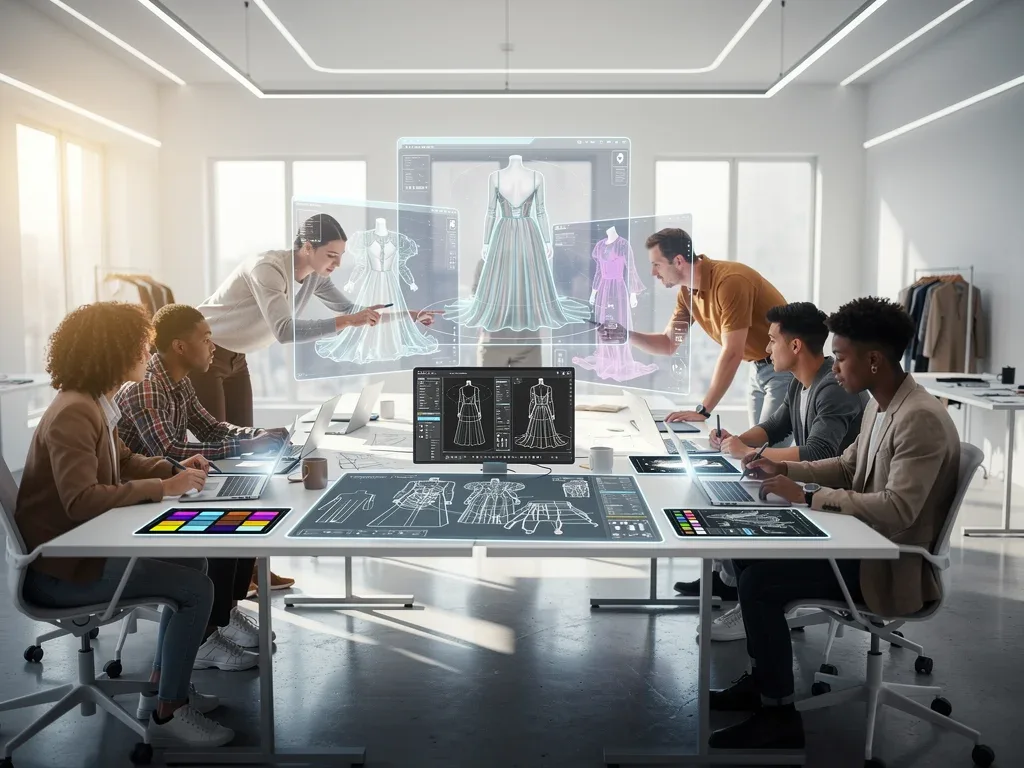
Market valuation is expected to soar as more brands enter the space and consumer adoption accelerates. Analysts predict multi-billion dollar valuations for leading digital fashion companies, with the overall market size expanding dramatically. This growth will also have ripple effects, stimulating innovation in related sectors like gaming, entertainment, and digital advertising.
Furthermore, the resale market for digital fashion, particularly NFTs, is creating another layer of economic activity. This secondary market allows for value appreciation and trading, similar to physical luxury goods, but with the added benefits of blockchain transparency and instant transactions. The financial ecosystem surrounding digital fashion is thus complex and rapidly evolving.
Challenges and Opportunities in the US Market
While the economic outlook for digital fashion in the US is overwhelmingly positive, the industry is not without its challenges. Navigating these hurdles will be critical for sustained growth, but each challenge also presents a unique opportunity for innovation and market leadership. Addressing issues from intellectual property to consumer education will be paramount.
One significant challenge lies in establishing clear legal frameworks for digital ownership and intellectual property rights within virtual spaces. As digital assets become more valuable, the need for robust protection against counterfeiting and unauthorized use becomes increasingly urgent. This requires collaboration between legal experts, policymakers, and industry leaders.
Overcoming Adoption Barriers
Consumer education is another key area. While digital natives are quick to adopt, a broader demographic may need more guidance on the value and utility of digital fashion. Simplifying user interfaces, creating intuitive experiences, and clearly articulating the benefits will help overcome initial skepticism and accelerate mainstream adoption.
- Interoperability Standards: Developing universal standards for digital assets to function across different metaverses.
- Intellectual Property Protection: Establishing clear legal guidelines for ownership and usage of digital designs.
- Environmental Concerns: Addressing the energy consumption associated with blockchain technology, though newer protocols are more efficient.
- User Experience: Creating seamless and engaging virtual fashion experiences for a diverse audience.
Despite these challenges, the opportunities are immense. The ability to create fashion without physical constraints opens doors for unparalleled creativity and inclusivity. Designers can experiment with materials, forms, and functionalities that are impossible in the physical world, leading to truly groundbreaking artistic expressions.
The US market, with its strong technological infrastructure, diverse consumer base, and innovative spirit, is uniquely positioned to capitalize on these opportunities. Brands that can effectively address the challenges while embracing the potential for innovation will be those that thrive in the digital fashion landscape of 2026-2030 and beyond. This dynamic interplay of challenges and opportunities defines the path forward.
The Future Landscape: 2026-2030 Projections and Beyond
Looking ahead to 2026-2030, the digital fashion landscape in the US is expected to undergo profound transformations, moving beyond its current nascent stage to become a fully integrated component of the fashion industry. This period will likely be characterized by increased mainstream adoption, sophisticated technological integrations, and a blurring of lines between physical and virtual apparel.
We anticipate a significant expansion of the metaverse, with more users spending increasingly more time in virtual environments for work, socializing, and entertainment. This heightened engagement will naturally drive demand for digital fashion, as individuals seek to express their identity and adapt to the social norms of these digital spaces.
Mainstream Integration and Hybrid Fashion
Digital fashion will no longer be a novelty but a staple. We can expect to see hybrid fashion products, where physical garments come with a corresponding digital twin for metaverse use, or where augmented reality elements are integrated into physical clothing. This convergence will offer consumers a holistic fashion experience that spans both realities.
- Phygital Products: Physical items bundled with their digital versions.
- AI-Powered Design: Artificial intelligence assisting designers in creating unique digital garments.
- Personalized Avatars: Highly customizable and realistic avatars, requiring extensive digital wardrobes.
- Sustainable Practices: Digital fashion offering a more environmentally friendly alternative, reducing waste from physical production.
The economic projections for this period suggest a multi-billion dollar industry in the US alone, with exponential growth driven by continued innovation and consumer demand. New business models will emerge, such as digital fashion rental services or dynamic pricing based on usage within virtual worlds.
Beyond 2030, the boundaries between digital and physical fashion may become almost imperceptible. Imagine smart clothing that can dynamically change its appearance via augmented reality filters, or digital fashion that adapts to your mood or environment. The future promises a truly fluid and personalized approach to style, with digital fashion leading the charge in redefining what it means to dress.
| Key Aspect | Outlook 2026-2030 |
|---|---|
| Market Growth | Significant expansion driven by tech adoption and consumer demand. |
| Key Drivers | AR/VR advancements, metaverse platforms, blockchain, and digital identity. |
| Financial Impact | Multi-billion dollar industry with diversified revenue streams and high profit margins. |
| Challenges | IP protection, interoperability, and consumer education are crucial for growth. |
Frequently Asked Questions About Digital Fashion’s Economic Outlook
What is digital fashion, and how is it different from traditional fashion?▼Digital fashion refers to clothing and accessories created, displayed, and sold exclusively for virtual environments. Unlike traditional fashion, it lacks physical form, existing solely as digital assets. It allows for limitless creativity, virtual try-ons, and often leverages technologies like NFTs for ownership and scarcity.
What are the main drivers of digital fashion’s economic growth in the US?▼Key drivers include advancements in AR/VR technology, the expansion of metaverse platforms, the increasing adoption of blockchain for NFTs, and a significant shift in consumer behavior towards digital identity and online self-expression, particularly among younger demographics.
How will digital fashion generate revenue in the US between 2026 and 2030?▼Revenue will come from direct sales of virtual garments for avatars, NFT collections, licensing for AR filters, brand collaborations, and potentially subscription services for digital wardrobes. The low production costs and global reach contribute to high-profit margins.
What challenges might impede the growth of digital fashion in the US?▼Challenges include establishing robust intellectual property protections for digital designs, ensuring interoperability across different metaverse platforms, addressing the environmental impact of blockchain technology, and educating a broader consumer base about the value of virtual goods.
How might digital fashion integrate with physical fashion in the future?▼Integration is likely to occur through ‘phygital’ products, where physical garments come with digital twins. Augmented reality could also allow physical clothing to display dynamic digital overlays. This convergence will offer a more holistic and interactive fashion experience for consumers, blending realities seamlessly.
Conclusion
The economic outlook for digital fashion in the US from 2026 to 2030 is undoubtedly one of immense potential and transformative growth. Fueled by technological innovation, evolving consumer behaviors, and significant investment, this sector is poised to redefine the very essence of fashion. While challenges remain in areas such as intellectual property and interoperability, the opportunities for creativity, sustainability, and economic expansion are vast. As virtual worlds become more central to our lives, digital fashion will not merely complement traditional apparel but will emerge as a powerful, autonomous, and financially impactful industry, shaping how we express ourselves in the increasingly hybrid realities of the future.