Wearable Tech Integration: 4 Must-Know Trends for US Apparel
Advertisements
The US apparel sector is rapidly evolving with wearable technology integration, necessitating immediate attention to smart textiles, advanced biometric sensors, data privacy regulations, and sustainable innovation to remain competitive and relevant.
The convergence of fashion and technology is no longer a futuristic fantasy; it’s a rapidly accelerating reality, particularly in the United States apparel market. Over the next 18 months, US apparel brands and consumers alike will witness, and participate in, a significant evolution driven by wearable tech integration. This isn’t just about adding a gadget to a garment; it’s about fundamentally rethinking how clothing can enhance our lives, provide data, and even contribute to our well-being. Understanding these transformative trends is not merely beneficial, but essential for anyone looking to navigate the dynamic landscape of modern fashion and technology.
The Dawn of Smart Textiles: Beyond the Hype
Smart textiles represent the foundational layer of true wearable tech integration. These aren’t just fabrics that look good; they are engineered materials embedded with conductive fibers, sensors, and microelectronics, designed to perform specific functions. The US apparel industry is quickly moving beyond conceptual prototypes to scalable, market-ready applications, driven by advances in material science and manufacturing techniques. This shift is crucial for mass adoption and will redefine consumer expectations.
The progression from simple conductive threads to complex integrated circuits within fabrics marks a significant leap. Early applications focused on heating elements or basic LED displays, but the next 18 months will see a proliferation of textiles capable of much more sophisticated interactions. Manufacturers are investing heavily in research and development to create materials that are not only functional but also comfortable, durable, and aesthetically pleasing, overcoming previous hurdles that limited widespread acceptance.
Advanced Material Science for Performance
The core of smart textiles lies in their ability to integrate technology without compromising traditional garment attributes. This involves innovations in yarn spinning, weaving, and knitting, allowing electronic components to be seamlessly incorporated into the fabric structure itself. The goal is to make the technology invisible and intuitive, enhancing the user experience without adding bulk or stiffness.
- Conductive Yarns: Development of highly flexible and durable conductive yarns that can transmit data and power efficiently.
- Integrated Sensors: Embedding miniature sensors directly into the fabric to monitor various parameters without external attachments.
- Self-Healing Materials: Research into textiles that can repair minor damage, extending the lifespan of tech-integrated garments.
- Energy Harvesting Fabrics: Exploration of materials that can generate small amounts of electricity from movement or sunlight.
As these material science breakthroughs become more accessible, apparel brands can create garments that are truly ‘smart’ from their very fibers. This opens doors for innovative product lines that offer unique value propositions to consumers, from enhanced athletic performance monitoring to adaptive thermal regulation.
Manufacturing Challenges and Opportunities
Scaling the production of smart textiles presents unique challenges, particularly for traditional apparel manufacturers. The integration of electronics requires new machinery, specialized expertise, and stringent quality control processes. However, these challenges also create significant opportunities for brands willing to invest in advanced manufacturing capabilities and forge partnerships with tech innovators.
The US apparel sector, with its robust manufacturing infrastructure and strong innovation ecosystem, is well-positioned to lead in this area. Collaborative efforts between textile mills, tech companies, and fashion designers are accelerating the development of standardized processes and components, making smart textile production more efficient and cost-effective. This collaborative spirit is vital for driving the industry forward and bringing these advanced materials to a wider market.
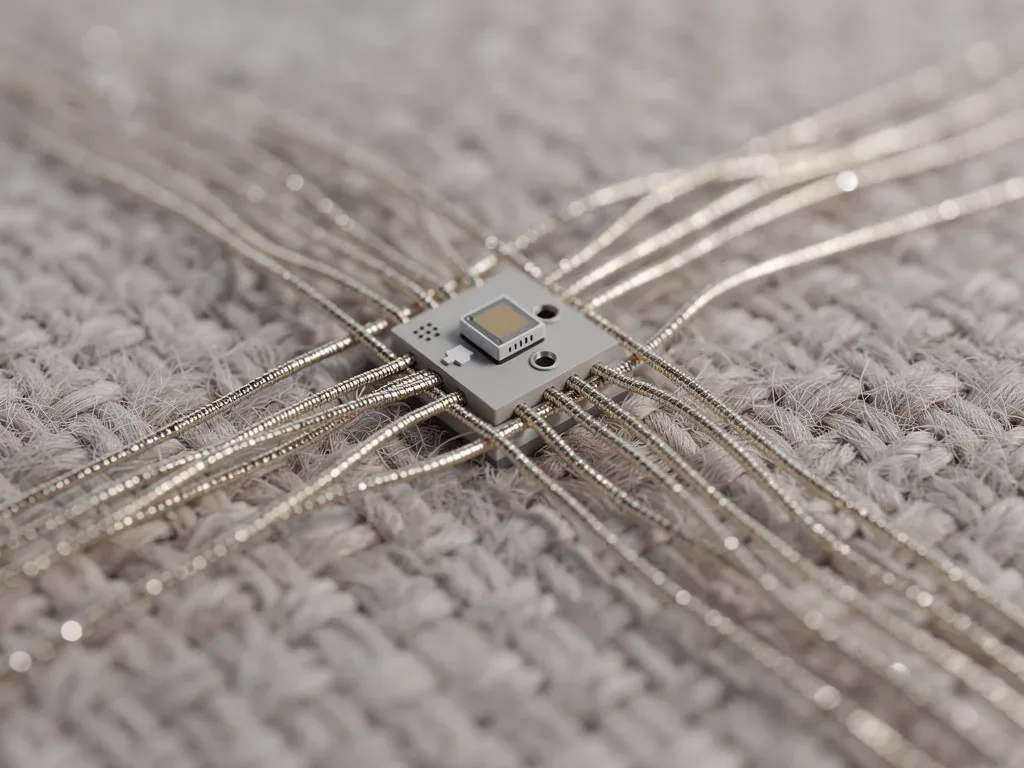
In conclusion, smart textiles are not merely a trend but a fundamental shift in how apparel is conceived and produced. Their successful integration will depend on continued innovation in material science, efficient manufacturing processes, and a clear understanding of consumer needs. The next 18 months will be a critical period for establishing the standards and capabilities that will underpin the future of tech-integrated apparel.
Biometric Sensors and Health Monitoring: The Personal Health Revolution
The integration of advanced biometric sensors into apparel is set to revolutionize personal health monitoring, offering unprecedented insights into our bodies in real-time. This trend moves beyond basic heart rate tracking, aiming for comprehensive physiological data collection directly from the clothes we wear. For the US apparel market, this means a significant expansion into the health and wellness sector, blurring the lines between fashion, fitness, and medical devices.
Consumers are increasingly health-conscious and seek convenient, non-invasive ways to track their well-being. Smart garments equipped with biometric sensors provide an ideal solution, offering continuous, comfortable monitoring without the need for cumbersome external devices. This shift will enable proactive health management and personalized wellness insights, making health data more accessible and actionable for everyday users.
Precision Tracking and Data Accuracy
The next generation of biometric sensors in apparel will focus on enhanced precision and a wider range of measurable parameters. Beyond heart rate and activity levels, we can expect to see integrated sensors capable of monitoring:
- Body Temperature: Continuous monitoring for health, performance, and comfort.
- Respiration Rate: Insights into stress levels, sleep quality, and respiratory health.
- Electrodermal Activity (EDA): Tracking skin conductance as an indicator of emotional and physiological arousal.
- Muscle Activity (EMG): Monitoring muscle engagement and fatigue for athletic training and rehabilitation.
- Hydration Levels: Non-invasive measurement of fluid balance for optimal performance and health.
These advanced capabilities will transform apparel from passive coverings into active health companions. Athletes can optimize training, individuals can manage chronic conditions more effectively, and anyone can gain a deeper understanding of their body’s responses to daily activities and environmental factors. The accuracy and reliability of these sensors will be paramount for consumer trust and widespread adoption.
Integration with Digital Health Ecosystems
The true power of biometric data from smart apparel lies in its integration with broader digital health ecosystems. This includes connectivity with smartphones, smartwatches, health apps, and even professional medical platforms. The seamless flow of data will enable personalized feedback, predictive analytics, and, in some cases, remote monitoring by healthcare providers. This connectivity transforms raw data into meaningful insights, empowering users to make informed decisions about their health.
The US market is ripe for this integration, given the high penetration of smartphones and widespread interest in digital health solutions. Apparel brands that successfully integrate their smart garments into these ecosystems, offering intuitive user interfaces and valuable data interpretation, will gain a significant competitive advantage. Collaboration with tech companies and healthcare providers will be key to building robust and trustworthy digital health platforms around wearable apparel.
In summary, biometric sensors in apparel are poised to usher in a new era of personal health monitoring. The focus will be on precision, comprehensiveness, and seamless integration with digital health platforms, empowering users with actionable insights. This trend presents a massive opportunity for the US apparel industry to innovate and expand its market reach into the lucrative health and wellness sector.
Data Privacy and Security: Building Trust in a Connected Wardrobe
As wearable tech integrates deeper into apparel, the collection of personal and biometric data becomes increasingly prevalent. This raises critical questions about data privacy, security, and ethical use, which will be central to consumer trust and regulatory frameworks in the US over the next 18 months. Apparel brands must prioritize robust data protection measures and transparent policies to gain and maintain consumer confidence.
The sensitive nature of health and activity data collected by smart garments demands a proactive approach to privacy. Consumers are becoming more aware of their digital footprints and expect clear assurances about how their data is collected, stored, used, and shared. Brands that fail to address these concerns effectively risk alienating their customer base and facing regulatory scrutiny.
Regulatory Landscape and Compliance
The US regulatory landscape for data privacy is complex and evolving, with various state and federal laws influencing how personal data can be handled. Apparel companies integrating wearable tech must navigate this intricate environment, ensuring compliance with regulations such as HIPAA (for health-related data), CCPA (California Consumer Privacy Act), and emerging state-specific privacy laws. Proactive compliance is not just a legal necessity but a brand differentiator.
- Transparency in Data Collection: Clearly informing users about what data is collected and why.
- Consent Mechanisms: Implementing explicit and easily understandable consent processes for data sharing.
- Data Minimization: Collecting only the data necessary for the garment’s stated functions.
- Secure Data Storage: Employing advanced encryption and cybersecurity measures to protect stored data.
- User Control: Providing users with easy access to their data and options to manage or delete it.
Establishing clear, user-friendly privacy policies and investing in secure data infrastructure will be paramount. Brands that demonstrate a strong commitment to data ethics will build stronger relationships with their customers and position themselves as trusted innovators in the wearable tech space.
Ethical Considerations and Consumer Trust
Beyond legal compliance, there are significant ethical considerations surrounding the use of personal data from smart apparel. Brands must consider the potential for bias in algorithms, the implications of data sharing with third parties, and the long-term impact on individual autonomy. Building consumer trust requires more than just adherence to laws; it demands a genuine commitment to ethical data practices.
The narrative around wearable tech must shift from simply ‘what can it do?’ to ‘how can it be used responsibly and ethically?’ Apparel companies have an opportunity to lead this conversation by championing user privacy, advocating for strong data protection standards, and developing products that prioritize individual well-being over solely commercial interests. This approach will not only mitigate risks but also foster a more positive and sustainable future for tech-integrated fashion.
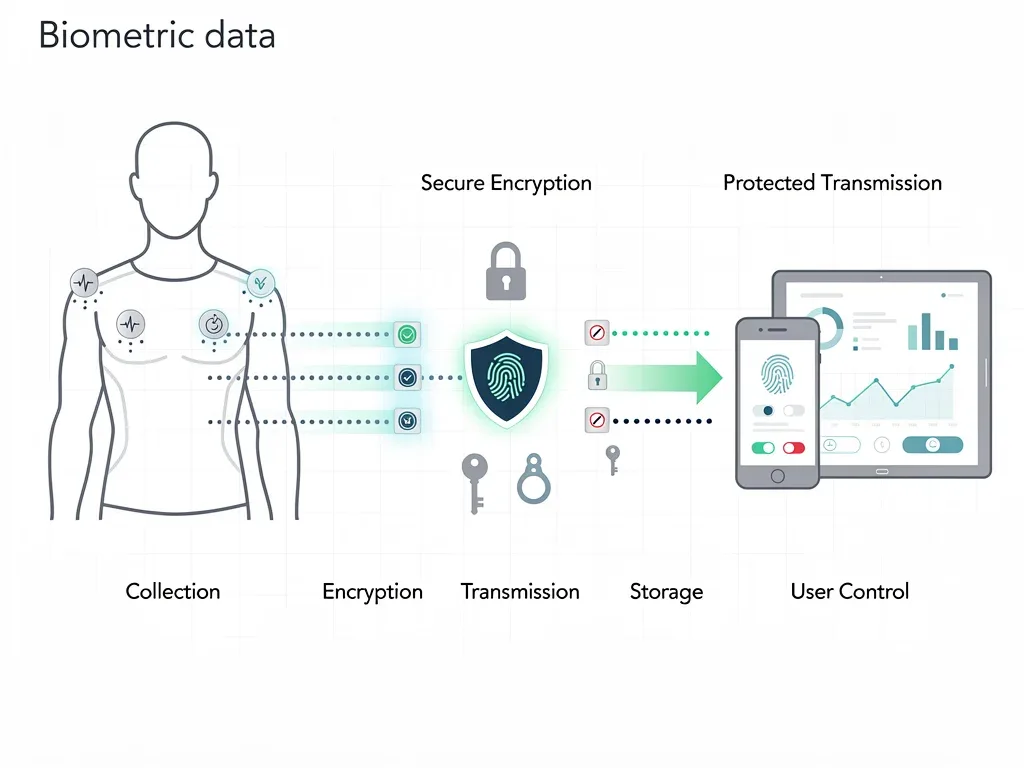
In conclusion, data privacy and security are not footnotes but foundational pillars for the successful integration of wearable tech into US apparel. Brands must prioritize transparent policies, robust security measures, and ethical data practices to build and maintain consumer trust, ensuring the long-term viability and positive impact of smart garments.
Sustainable Innovation and Circularity: Eco-Conscious Tech Fashion
As the apparel industry grapples with its environmental impact, the integration of wearable tech introduces new sustainability challenges and opportunities. Over the next 18 months, sustainable innovation and circularity will become crucial considerations for US apparel brands venturing into tech-integrated garments. This trend demands a holistic approach, from eco-friendly material sourcing to end-of-life product management, ensuring that technological advancement doesn’t come at the expense of planetary health.
Consumers, particularly in the US, are increasingly demanding sustainable products and transparent supply chains. For smart apparel, this means addressing the environmental footprint of electronic components, rare earth minerals, and the potential for increased electronic waste (e-waste). Brands that proactively integrate sustainability into their design and production processes will resonate strongly with environmentally conscious consumers and gain a competitive edge.
Eco-Friendly Materials and Manufacturing
Sustainable innovation in wearable tech apparel begins with material selection and manufacturing processes. This involves exploring alternatives to conventional materials and optimizing production to minimize waste and energy consumption. The goal is to create smart garments that are as kind to the planet as they are technologically advanced.
- Recycled and Bio-based Components: Utilizing recycled plastics, bio-based polymers, and responsibly sourced metals for electronic parts.
- Low-Impact Dyes and Finishes: Employing environmentally friendly dyeing methods and non-toxic finishes for smart textiles.
- Modular Design: Designing garments with easily replaceable or upgradeable tech components to extend product life.
- Energy-Efficient Production: Implementing manufacturing processes that reduce energy consumption and greenhouse gas emissions.
Investing in these sustainable practices not only lessens environmental impact but also appeals to a growing market segment that values eco-conscious choices. Brands can differentiate themselves by demonstrating a genuine commitment to sustainability throughout the entire product lifecycle of their tech-integrated apparel.
Circular Economy Principles for Smart Apparel
The concept of a circular economy – where products are designed for durability, reuse, repair, and recycling – is particularly pertinent to wearable tech apparel. The challenge of managing e-waste from integrated electronics requires innovative solutions to prevent these garments from ending up in landfills. Over the next 18 months, US apparel brands will need to develop comprehensive strategies for product end-of-life.
This includes implementing take-back programs, facilitating easy disassembly for component recovery, and exploring new recycling technologies for mixed-material garments. Collaborations with specialized recyclers and waste management companies will be essential. Furthermore, designing for longevity and repairability can significantly reduce the environmental footprint, making smart apparel a more sustainable choice in the long run. Embracing circularity is not just an environmental imperative but a business opportunity to foster customer loyalty and meet evolving market demands.
In conclusion, sustainable innovation and circularity are non-negotiable aspects of wearable tech integration in US apparel. Brands must prioritize eco-friendly materials, efficient manufacturing, and robust end-of-life solutions to address environmental concerns. By doing so, they can align technological advancement with environmental responsibility, creating a future for fashion that is both smart and sustainable.
Personalization and Customization: Tailoring Tech to the Individual
The future of US apparel, especially with wearable tech integration, lies heavily in personalization and customization. Consumers are increasingly seeking products that cater to their unique needs, preferences, and body types. Smart garments offer an unprecedented opportunity to deliver highly personalized experiences, from adaptive fit to bespoke functionality, moving fashion away from mass production towards individual expression and utility.
This trend is driven by advances in data analytics, AI, and on-demand manufacturing. The ability to collect individual biometric and activity data allows for garments that not only fit perfectly but also perform optimally for each user. For apparel brands, this means shifting focus from generic offerings to hyper-personalized solutions, fostering deeper customer engagement and loyalty.
Adaptive Functionality and Bespoke Experiences
Personalization in wearable tech apparel extends beyond aesthetic choices; it encompasses adaptive functionality that responds to individual user data and preferences. Imagine a garment that adjusts its thermal properties based on your body temperature and external environment, or a training shirt that provides real-time feedback tailored to your specific biomechanics. This level of bespoke experience is becoming increasingly feasible.
- AI-Powered Fit: Using AI and 3D body scanning to create perfectly fitting garments with integrated tech.
- Dynamic Performance Tuning: Apparel that adjusts its support, compression, or heating/cooling based on real-time biometric data.
- Customized Data Insights: Delivering personalized health and activity reports based on individual patterns and goals.
- Modular Tech Integration: Allowing users to choose and integrate specific tech modules into their garments.
These capabilities will transform how consumers interact with their clothing, making it a truly personal extension of themselves. Apparel brands that can master this level of personalization will unlock new revenue streams and create a loyal customer base that values unique, high-performance solutions.
On-Demand Manufacturing and Micro-Customization
The rise of on-demand manufacturing technologies, such as advanced 3D printing and automated cutting systems, is making micro-customization more economically viable. This allows brands to produce garments tailored to individual specifications without the inefficiencies of traditional mass production. For wearable tech, this means the ability to integrate specific sensors, components, and functionalities based on a customer’s order, rather than a one-size-fits-all approach.
This approach reduces waste, optimizes inventory, and allows for rapid iteration and innovation. US apparel manufacturers are investing in these technologies to offer customizable smart garments, from personalized biometric monitoring setups to unique aesthetic integrations. The future of fashion will increasingly be about co-creation, where consumers play an active role in designing their tech-integrated wardrobe, leading to a more engaged and satisfied customer base.
In conclusion, personalization and customization are pivotal for the successful adoption of wearable tech in US apparel. By leveraging data, AI, and advanced manufacturing, brands can offer adaptive functionality and bespoke experiences that cater to individual needs. This trend promises a future where clothing is not just worn but truly tailored to enhance each person’s life, fostering a deeper connection between consumer and garment.
The Intersection of Fashion and Function: A Synergistic Future
The ultimate success of wearable tech integration in US apparel hinges on its ability to seamlessly merge fashion with function. For too long, smart garments have often prioritized technology over aesthetics, leading to clunky designs and limited consumer appeal. The next 18 months will see a concerted effort by brands to overcome this divide, creating products that are not only technologically advanced but also stylish, comfortable, and desirable as fashion items.
This synergistic approach requires collaboration between fashion designers, textile engineers, and tech innovators. The goal is to make the technology invisible or aesthetically integrated, ensuring that the garment’s primary appeal remains its design and wearability. When the tech enhances the fashion without dominating it, mass market adoption becomes a much more attainable goal.
Aesthetic Integration and Design Innovation
The key to blending fashion and function lies in innovative design that considers the technological components from the outset. This means moving beyond simply attaching sensors to existing garments and instead designing fabrics and silhouettes around the integrated tech. The aesthetics of smart apparel must be as compelling as its capabilities.
- Invisible Tech: Concealing sensors, wires, and power sources within the fabric layers or structural elements of the garment.
- Design-Driven Integration: Using tech elements as a deliberate design feature, such as subtle LED patterns or unique material textures.
- Ergonomic Comfort: Ensuring that integrated technology does not compromise the garment’s comfort, flexibility, or drape.
- Versatility: Creating smart apparel that is suitable for various occasions and can be easily incorporated into existing wardrobes.
Fashion houses and tech startups are increasingly partnering to achieve this balance, bringing together expertise in textiles, design, and electronics. This cross-disciplinary collaboration is vital for creating products that consumers will genuinely want to wear, not just for their utility but for their style.
Consumer Acceptance and Market Growth
Ultimately, the growth of wearable tech apparel in the US market depends on consumer acceptance. This acceptance is driven by a combination of perceived value, ease of use, and aesthetic appeal. When smart garments offer clear benefits (e.g., enhanced performance, health monitoring) in a stylish and comfortable package, consumers are more likely to embrace them.
The next 18 months will be a period of significant market education and product refinement. Brands will need to effectively communicate the benefits of their tech-integrated apparel, address consumer concerns (such as battery life and washability), and showcase how these garments seamlessly fit into modern lifestyles. Successful brands will be those that can strike the perfect balance between cutting-edge technology and compelling fashion, creating products that are both innovative and desirable.
In conclusion, the synergistic future of fashion and function is paramount for wearable tech integration in US apparel. By prioritizing aesthetic integration, ergonomic comfort, and cross-disciplinary design, brands can create smart garments that are truly appealing to consumers. This balanced approach will drive widespread market acceptance and solidify the position of tech-integrated apparel as a mainstream category within the fashion industry.
| Key Trend | Brief Description |
|---|---|
| Smart Textiles Evolution | Seamless integration of electronics into fabric for enhanced functionality and aesthetics. |
| Advanced Biometric Sensors | Precision health monitoring directly from apparel, connected to digital health ecosystems. |
| Data Privacy & Security | Crucial focus on transparent policies and robust protection to build consumer trust. |
| Sustainable Innovation | Eco-conscious design, materials, and circularity principles for tech-integrated garments. |
Frequently Asked Questions About Wearable Tech Apparel
What are smart textiles and why are they important for future apparel?▼Smart textiles are fabrics embedded with electronics like sensors and conductive fibers, allowing clothing to perform functions beyond traditional apparel. They are crucial because they enable seamless, comfortable integration of technology directly into garments, moving beyond bulky external devices and enhancing user experience significantly.
How will biometric sensors in apparel change health monitoring?▼Biometric sensors in apparel will provide continuous, non-invasive, and precise health data, including heart rate, respiration, and even muscle activity. This allows for proactive health management, personalized wellness insights, and seamless integration with digital health ecosystems, transforming how individuals track and understand their well-being.
Why is data privacy a critical concern for wearable tech apparel?▼Data privacy is critical because smart garments collect sensitive personal and biometric information. Brands must ensure transparent policies, robust security, and user control over their data to build consumer trust and comply with evolving regulations like HIPAA and CCPA. Breaches can severely damage brand reputation and adoption.
What role does sustainability play in the development of smart apparel?▼Sustainability is paramount due to the environmental impact of electronic components and potential e-waste. Smart apparel development must prioritize eco-friendly materials, energy-efficient manufacturing, and circular economy principles like modular design and recycling programs. This aligns with consumer demand for ethical products and reduces ecological footprint.
How will personalization impact the future of wearable tech apparel?▼Personalization will allow smart apparel to offer adaptive functionality and bespoke experiences tailored to individual needs and preferences. Using AI and on-demand manufacturing, garments can provide customized fit, dynamic performance tuning, and unique data insights, fostering deeper customer engagement and moving towards a co-created fashion future.
Conclusion
The next 18 months will be a transformative period for the US apparel industry as wearable tech integration matures and expands. The four key trends – the evolution of smart textiles, the rise of advanced biometric sensors, the critical importance of data privacy and security, and the imperative for sustainable innovation – are not isolated phenomena but interconnected forces shaping a new era of fashion. Brands that proactively embrace these trends, focusing on seamless integration, ethical data practices, and environmental responsibility, will not only meet evolving consumer demands but also redefine what apparel can achieve. This synergistic future, where fashion and function merge effortlessly, promises a wardrobe that is not just worn, but truly experienced, offering unparalleled convenience, insight, and personalization to the modern consumer.