US Cyber Warfare Preparedness 2026: Policy & Security
Advertisements
The U.S. is bolstering its cyber warfare preparedness in 2026 through four significant policy changes, directly impacting national security by enhancing defensive capabilities and strategic deterrence against evolving digital threats.
In an increasingly digitized world, the landscape of global conflict has profoundly shifted, making cyber warfare a critical domain. Understanding U.S. cyber warfare preparedness in 2026 is paramount, as recent policy shifts are reshaping the nation’s defense posture against sophisticated digital adversaries. This deep dive explores the strategic implications of these changes for national security.
The Evolving Landscape of Cyber Threats
The digital realm has become an undeniable frontier for conflict, where national interests are constantly challenged by state-sponsored actors, cybercriminals, and hacktivist groups. The sophistication and frequency of cyberattacks continue to escalate, targeting everything from critical infrastructure to democratic processes. This evolution necessitates a dynamic and robust response from nations aiming to safeguard their sovereignty and stability.
Cyber threats are no longer merely about data breaches; they encompass a spectrum of disruptive and destructive capabilities. From crippling energy grids to manipulating financial markets, the potential impact of a successful cyberattack on a nation’s infrastructure and societal fabric is immense. Therefore, understanding the nature of these evolving threats is the foundational step in comprehending the urgency behind current U.S. policy adjustments.
Advanced Persistent Threats (APTs)
Advanced Persistent Threats (APTs) represent a significant challenge. These are stealthy, continuous computer hacking processes, often targeting specific entities for business or political motives. APT attacks typically involve sophisticated techniques and are designed to remain undetected for extended periods, exfiltrating data or disrupting operations.
- Sophisticated Reconnaissance: Attackers often spend months gathering intelligence on targets.
- Customized Malware: Tailored tools are developed to bypass conventional defenses.
- Long-Term Presence: Goals include maintaining access for continuous espionage or sabotage.
- State-Sponsored Backing: Many APTs are believed to be supported by national governments.
The continuous adaptation of adversaries means that static defenses are insufficient. The U.S. must not only react to current threats but also anticipate future attack vectors and develop proactive countermeasures. This foresight is embedded in the recent policy recalibrations, aiming for a more resilient and adaptive cyber defense posture.
Policy Change 1: Enhanced Cyber Deterrence Doctrine
One of the most pivotal shifts in U.S. cyber strategy is the formalization and enhancement of its cyber deterrence doctrine. This policy change moves beyond purely defensive measures, incorporating elements of proactive engagement and clear signaling of retaliatory capabilities. The goal is to discourage potential adversaries by demonstrating that the costs of launching a cyberattack would outweigh any perceived benefits.
Historically, cyber deterrence has been a complex challenge due to attribution difficulties and the often-asymmetric nature of cyber warfare. However, the new doctrine seeks to overcome these hurdles by investing heavily in advanced attribution technologies and developing a credible range of response options, both cyber and conventional. This holistic approach aims to create a more stable and predictable environment in the digital domain.
Strategic Messaging and Alliance Building
A key component of this enhanced doctrine involves strategic messaging. The U.S. is increasingly transparent about its red lines and its capacity to respond, albeit without revealing specific operational details. This transparency is intended to reduce miscalculation by adversaries.
- Public Declarations: Official statements outlining the consequences of cyber aggression.
- International Partnerships: Strengthening alliances to present a united front against cyber threats.
- Joint Exercises: Conducting simulated cyber warfare scenarios with allies to test and refine response strategies.
- Information Sharing: Enhancing intelligence exchange on threat actors and attack methodologies.
The effectiveness of deterrence relies heavily on the credibility of the threat of response. Therefore, the U.S. is not only articulating its intentions but also demonstrably investing in the capabilities required to back them up. This includes offensive cyber capabilities that can impose significant costs on adversaries, thereby strengthening the deterrent effect.
Policy Change 2: Critical Infrastructure Protection and Resilience
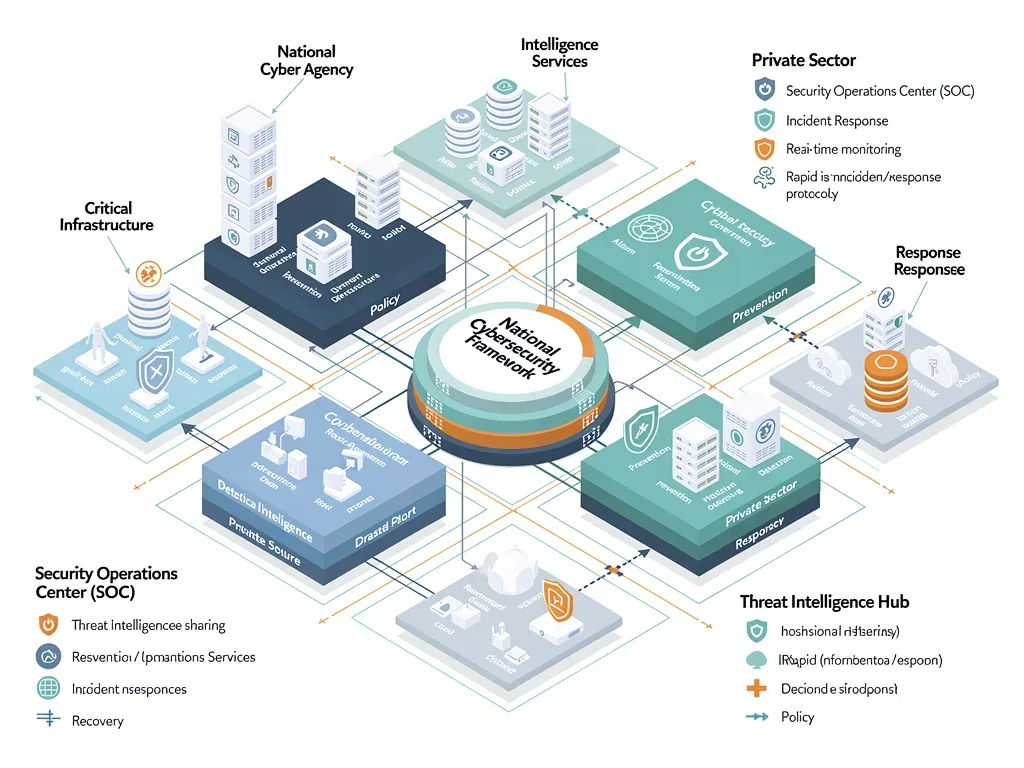
Recognizing the immense vulnerability of critical infrastructure to cyberattacks, the U.S. has enacted significant policy changes focused on enhancing its protection and resilience. This involves a multi-faceted approach that spans public-private partnerships, regulatory updates, and technological investments. The aim is to create a robust defense mechanism that can withstand sophisticated attacks and ensure the continuity of essential services.
Previous incidents, such as attacks on energy pipelines and water treatment facilities, have highlighted the urgent need for a more comprehensive and coordinated strategy. The new policy framework emphasizes proactive risk management, continuous threat monitoring, and rapid incident response capabilities across all critical sectors, including energy, finance, healthcare, and transportation.
Strengthening Public-Private Collaboration
A cornerstone of this policy change is the deepening of collaboration between government agencies and private sector operators of critical infrastructure. Many essential services are owned and managed by private entities, making their active participation crucial for national security.
- Information Sharing Platforms: Establishing secure channels for real-time threat intelligence exchange.
- Joint Training Programs: Developing shared expertise in identifying and mitigating cyber risks.
- Incentives for Adoption: Providing resources and frameworks to encourage private entities to implement advanced security measures.
- Incident Response Coordination: Creating unified protocols for responding to and recovering from attacks.
This policy acknowledges that no single entity can effectively defend against the spectrum of cyber threats. By fostering a culture of shared responsibility and mutual support, the U.S. aims to build a collective defense that is greater than the sum of its individual parts, significantly boosting its U.S. cyber warfare preparedness.
Policy Change 3: Workforce Development and Talent Recruitment
A critical bottleneck in the U.S.’s cyber defense capabilities has long been the shortage of skilled cybersecurity professionals. Recognizing this, a major policy initiative in 2026 focuses on aggressive workforce development and talent recruitment strategies. This aims to bridge the talent gap, ensuring the nation has a sufficient pool of experts to defend against and respond to cyber threats effectively.
The demand for cybersecurity talent far outstrips the current supply, leading to a competitive landscape where both government and private sectors vie for the same limited pool of experts. This policy change addresses this challenge head-on by investing in education, training, and career pathways designed to attract and retain top-tier talent in the cyber domain.
Investing in Cyber Education and Training
The new policies prioritize robust investments in educational programs from K-12 through higher education, as well as specialized training for existing professionals. The goal is to cultivate a new generation of cyber warriors.
- Curriculum Development: Funding for universities and colleges to create cutting-edge cybersecurity programs.
- Scholarships and Grants: Financial incentives to encourage students to pursue cyber-related fields.
- Apprenticeship Programs: Hands-on training opportunities to develop practical skills.
- Continuous Professional Development: Ensuring current cyber professionals stay abreast of emerging threats and technologies.
Beyond education, the policy also includes measures to streamline the hiring process for government cyber roles and to create more attractive career paths within federal agencies. This comprehensive approach is vital for sustaining long-term U.S. cyber warfare preparedness and maintaining a technological edge over adversaries.
Policy Change 4: International Norms and Cyber Diplomacy
The global nature of cyber threats necessitates a concerted international effort to establish norms of responsible state behavior in cyberspace. The U.S. has significantly intensified its focus on cyber diplomacy, advocating for international agreements and frameworks that promote stability and reduce the risk of conflict in the digital realm. This policy change underscores the understanding that unilateral action alone is insufficient to address a truly global challenge.
The absence of universally accepted rules of engagement in cyberspace creates a dangerous environment where miscalculation and escalation are constant risks. Through enhanced diplomatic efforts, the U.S. seeks to build consensus among nations on what constitutes acceptable and unacceptable conduct, thereby fostering a more secure and predictable digital future.
Promoting Responsible State Behavior
Central to this policy is the promotion of a framework for responsible state behavior in cyberspace, building on existing international law and norms. This involves engaging with allies and adversaries alike to establish common ground.
- Multilateral Engagements: Active participation in UN, G7, and other international forums to shape cyber norms.
- Capacity Building: Assisting developing nations in strengthening their cybersecurity capabilities.
- Sanctions and Disclosures: Imposing consequences on states that violate established cyber norms.
- Confidence-Building Measures: Initiatives designed to increase transparency and reduce mistrust among nations regarding cyber activities.
These diplomatic endeavors are critical for creating a stable international environment for cyberspace. By championing responsible behavior and working with international partners, the U.S. aims to mitigate the risks of large-scale cyber conflicts and enhance global security, directly impacting U.S. cyber warfare preparedness on a global scale.

Implications for National Security and the Future
The cumulative effect of these four major policy changes on U.S. national security is profound and far-reaching. By enhancing deterrence, strengthening critical infrastructure, developing a skilled workforce, and championing international norms, the U.S. is striving to build a comprehensive and resilient cyber defense posture for 2026 and beyond. These policies are not merely reactive; they represent a strategic pivot towards proactive engagement and long-term stability in cyberspace.
The challenges remain formidable, with adversaries constantly innovating and adapting their tactics. However, these policy shifts demonstrate a clear commitment from the U.S. government to treat cyber warfare as a top-tier national security priority. The integration of these initiatives aims to create a layered defense that can detect, deter, and defeat even the most sophisticated cyber threats. The future of national security is inextricably linked to the nation’s success in the digital arena.
Ultimately, these policy adjustments signify a mature understanding of the digital threat landscape. They underscore the necessity of a multi-pronged approach that combines technological superiority with strategic diplomacy and a robust human capital pipeline. The evolution of U.S. cyber strategy is a continuous process, but these recent changes lay a strong foundation for safeguarding national interests in an increasingly complex and interconnected world.
| Key Policy Change | National Security Impact |
|---|---|
| Enhanced Cyber Deterrence | Discourages cyberattacks through clear retaliatory signaling and capabilities, reducing conflict risk. |
| Critical Infrastructure Protection | Secures essential services against disruption, ensuring societal stability and economic function. |
| Workforce Development | Addresses talent gap, ensuring sufficient skilled professionals for defense and rapid response. |
| International Norms & Diplomacy | Fosters global stability and reduces cyber conflict through shared rules and international cooperation. |
Frequently Asked Questions About U.S. Cyber Preparedness
What is the primary goal of the U.S. cyber deterrence doctrine?▼The primary goal is to discourage potential adversaries from launching cyberattacks against U.S. interests. This is achieved by clearly communicating the U.S.’s capacity and willingness to respond, both in cyberspace and through other means, making the costs of an attack prohibitive.
How do public-private partnerships enhance critical infrastructure protection?▼Public-private partnerships are crucial because much of the critical infrastructure is privately owned. These collaborations facilitate vital information sharing, joint training, and coordinated incident response, pooling resources and expertise to create a more resilient national defense against cyber threats.
Why is workforce development a key policy change for cyber warfare preparedness?▼Workforce development is critical because a severe shortage of skilled cybersecurity professionals exists. Investing in education, training, and recruitment ensures the U.S. has the necessary human capital to defend its networks, innovate new defenses, and effectively respond to sophisticated cyberattacks.
What role does international cyber diplomacy play in U.S. national security?▼International cyber diplomacy is vital for establishing global norms of responsible state behavior in cyberspace. By fostering agreements and cooperation, it aims to reduce miscalculation, prevent escalation of conflicts, and create a more predictable and secure digital environment for all nations.
How do these policy changes collectively impact U.S. cyber warfare preparedness in 2026?▼Collectively, these policy changes significantly strengthen U.S. cyber warfare preparedness by creating a more robust, multi-layered defense. They enhance deterrence, secure critical assets, ensure a skilled workforce, and promote international stability, making the nation more resilient against evolving cyber threats.
Conclusion
The strategic adjustments in U.S. cyber policy for 2026 represent a comprehensive and forward-thinking approach to an increasingly complex threat landscape. By focusing on enhanced deterrence, critical infrastructure protection, workforce development, and robust international diplomacy, the U.S. is actively fortifying its national security against the pervasive challenges of cyber warfare. These integrated efforts are crucial for maintaining stability, protecting vital assets, and ensuring the nation’s readiness in the face of persistent and sophisticated digital adversaries. The ongoing evolution of these policies will undoubtedly shape the future of global cybersecurity.