Sustainable Global Economic Growth by 2026: U.S. Initiatives Lead
Advertisements
The U.S. is actively shaping sustainable global economic growth by 2026 through strategic endeavors in green technology, advanced digital infrastructure, and the re-establishment of secure, diversified supply chains to foster enduring prosperity.
As the global economy navigates unprecedented challenges and opportunities, the concept of sustainable global economic growth by 2026 has become a cornerstone of international policy and national strategy. The United States, a pivotal player in the world economic landscape, is at the forefront of this crucial endeavor, implementing a series of ambitious initiatives designed to foster not only domestic prosperity but also a more resilient and environmentally conscious global economic framework. This article delves into three significant U.S. initiatives that are poised to redefine economic growth, emphasizing long-term viability, equitable distribution, and ecological responsibility. How will these strategies reshape our collective future?
The Green Energy Transition: A Pillar of Future Growth
The transition to green energy is not merely an environmental imperative; it is a profound economic opportunity that the U.S. is strategically leveraging to drive sustainable growth. By investing heavily in renewable energy sources, the U.S. aims to reduce carbon emissions while simultaneously creating new industries, jobs, and export opportunities. This initiative is multifaceted, encompassing research and development, infrastructure upgrades, and policy incentives designed to accelerate adoption across various sectors.
The move towards a green economy fosters innovation and competitiveness. Companies are encouraged to develop new technologies, from advanced battery storage to more efficient solar panels and wind turbines. This push for innovation creates a dynamic ecosystem where technological breakthroughs can lead to significant economic gains. Furthermore, the U.S. recognizes that its domestic green energy advancements can serve as a model and a source of technology for other nations, thereby contributing to global sustainability efforts.
Investing in Renewable Energy Infrastructure
A significant component of the U.S. strategy involves substantial investment in the infrastructure required to support a green energy future. This includes upgrading the national grid to handle intermittent renewable energy sources, building new transmission lines, and expanding charging networks for electric vehicles. These investments are not only essential for the energy transition but also serve as powerful economic stimuli, generating demand for materials, labor, and specialized services.
- Grid Modernization: Enhancing the resilience and efficiency of the electrical grid to integrate more renewable energy.
- Electric Vehicle Infrastructure: Expanding charging stations and supporting the domestic manufacturing of EVs and components.
- Renewable Energy Projects: Funding large-scale solar farms, wind power installations, and geothermal projects.
- Energy Storage Solutions: Researching and deploying advanced battery and other energy storage technologies to ensure grid stability.
The long-term economic benefits of these investments are projected to be substantial. Reduced reliance on volatile fossil fuel markets leads to greater energy security and price stability. The jobs created in the renewable energy sector, from manufacturing to installation and maintenance, are often high-skilled and well-paying, offering new career paths for American workers. This holistic approach ensures that the green energy transition is not just a cost but a significant engine for economic development and job creation, vital for achieving sustainable global economic growth by 2026.
Digital Transformation and Innovation Ecosystems
Another critical U.S. initiative driving sustainable global economic growth is its relentless focus on digital transformation and the fostering of robust innovation ecosystems. The digital economy is a pervasive force, fundamentally altering how businesses operate, how people work, and how societies connect. The U.S. aims to maintain its leadership in this domain by investing in cutting-edge technologies, promoting digital literacy, and creating an environment where innovation can flourish and be scaled globally.
This initiative extends beyond merely developing new software or hardware. It encompasses the strategic application of digital technologies to enhance productivity, improve efficiency, and create new forms of value across all sectors. From advanced manufacturing powered by AI and robotics to precision agriculture leveraging IoT, digital transformation is seen as a key enabler of sustainable practices. By optimizing resource use and reducing waste, digital solutions contribute directly to environmental sustainability while simultaneously boosting economic output.
Advancing Artificial Intelligence and Quantum Computing
The U.S. government and private sector are making significant investments in foundational technologies like Artificial Intelligence (AI) and quantum computing. These technologies are expected to unlock unprecedented levels of innovation and efficiency, with applications ranging from drug discovery to advanced climate modeling. The strategic focus here is not just on technological advancement but also on developing ethical frameworks and ensuring responsible deployment.
Quantum computing, while still in its nascent stages, holds the promise of solving complex problems currently intractable for even the most powerful supercomputers. Its potential applications in materials science, cryptography, and optimization could revolutionize industries and provide solutions to some of the world’s most pressing challenges. The U.S. is positioning itself at the forefront of this emerging field through academic research, government funding, and private sector partnerships.
Fostering a Skilled Digital Workforce
To fully capitalize on digital transformation, a skilled workforce is paramount. The U.S. is investing in education and training programs to equip its citizens with the digital literacy and specialized skills needed for the jobs of the future. This includes initiatives to promote STEM education, reskill workers displaced by automation, and attract top talent from around the world. A digitally proficient workforce is essential for driving innovation and ensuring that the benefits of technological progress are widely shared.
- STEM Education Initiatives: Promoting science, technology, engineering, and mathematics from an early age.
- Workforce Retraining Programs: Providing pathways for workers to acquire new digital skills.
- Digital Infrastructure Expansion: Ensuring widespread access to high-speed internet, especially in underserved areas.
- Cybersecurity Preparedness: Strengthening defenses against cyber threats to protect digital assets and infrastructure.
By fostering a dynamic environment for digital innovation and cultivating a highly skilled workforce, the U.S. is laying the groundwork for sustained economic growth that is both robust and adaptable. These efforts are crucial for maintaining global competitiveness and ensuring that the advancements in technology contribute positively to sustainable global economic growth by 2026 and beyond.
Resilient Supply Chains and Global Trade Partnerships
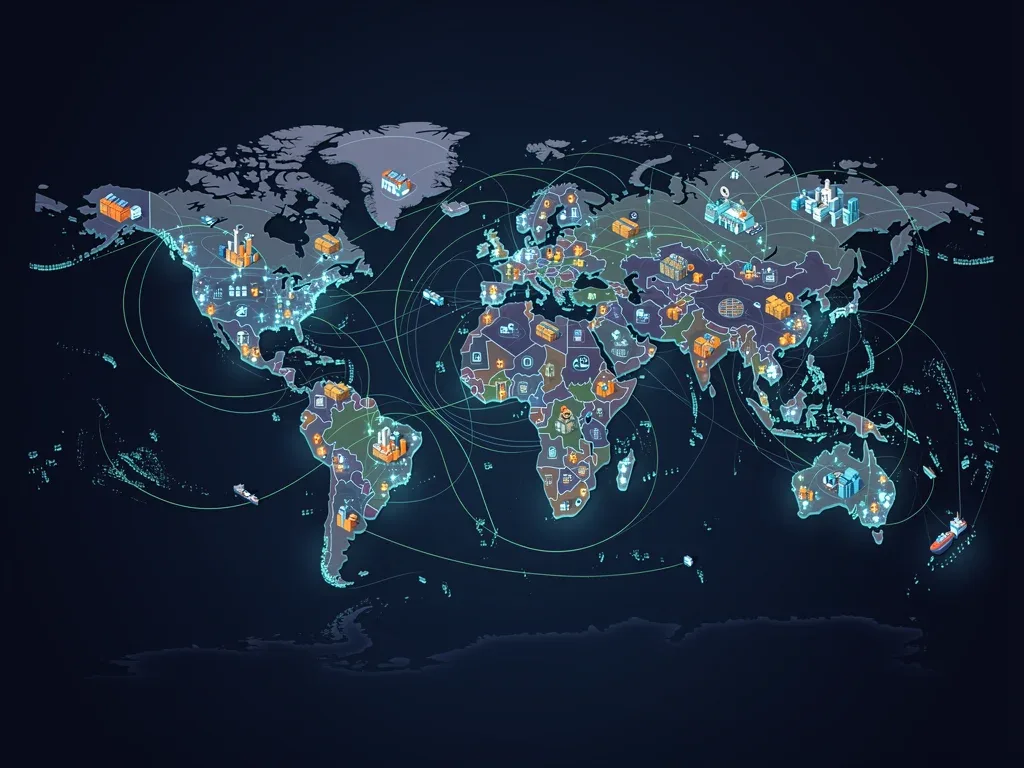
The recent past has highlighted the vulnerabilities inherent in global supply chains, leading to disruptions that severely impacted economic stability. In response, the U.S. is spearheading initiatives to build more resilient supply chains and strengthen global trade partnerships, recognizing that a stable and efficient flow of goods is fundamental to sustainable economic growth. This involves a strategic re-evaluation of sourcing, manufacturing, and distribution, with an emphasis on diversification and regional cooperation.
This initiative is not about isolationism but about creating a more robust and adaptable global trading system. By identifying critical dependencies and encouraging domestic production or sourcing from reliable allies, the U.S. aims to mitigate future shocks. Furthermore, strengthening trade partnerships with like-minded nations promotes shared economic prosperity and reduces the risk of geopolitical leverage over essential goods.
Diversifying Sourcing and Manufacturing
A key aspect of building resilient supply chains is diversification. This means reducing over-reliance on a single country or region for critical components and finished goods. The U.S. is encouraging companies to explore multiple sourcing options and to consider nearshoring or friendshoring production to countries with stable political and economic environments. This strategy aims to create a more distributed and less vulnerable global manufacturing footprint.
The government is also providing incentives for domestic manufacturing, particularly in strategic sectors such as semiconductors, pharmaceuticals, and critical minerals. By rebuilding internal production capacities, the U.S. can reduce its susceptibility to external disruptions and ensure the availability of essential goods, which is crucial for both national security and economic stability. These efforts are designed to create a balanced approach between global integration and national resilience.
Strengthening International Trade Agreements and Alliances
Beyond domestic measures, the U.S. is actively engaging in diplomacy to strengthen international trade agreements and forge new alliances. These partnerships are designed to promote fair trade practices, protect intellectual property, and ensure open markets. By working collaboratively with allies, the U.S. can establish common standards and address shared challenges, such as unfair trade practices and market distortions.
- Bilateral and Multilateral Agreements: Negotiating and reinforcing trade deals that promote mutual benefit and stability.
- Investment in Partner Nations: Supporting infrastructure and industrial development in allied countries to enhance shared supply chain capabilities.
- Data Sharing and Transparency: Implementing mechanisms for better information exchange to anticipate and respond to supply chain issues.
- Harmonization of Standards: Working with international partners to align regulatory and technical standards, facilitating smoother trade.
The goal is to create a more predictable and trustworthy global trading environment that supports sustainable economic growth for all participants. By fostering stronger relationships and building diversified, resilient supply chains, the U.S. is contributing to a more stable global economy less prone to disruptions, a vital step towards achieving sustainable global economic growth by 2026.
The Role of Public-Private Partnerships in Driving Sustainability
The ambitious goals of sustainable global economic growth cannot be achieved by government initiatives alone. Public-private partnerships (PPPs) are emerging as a crucial mechanism for mobilizing resources, expertise, and innovation from both sectors. In the U.S., these collaborations are accelerating progress in areas such as green energy development, digital infrastructure deployment, and supply chain resilience, demonstrating a powerful synergy that amplifies impact.
PPPs allow for the sharing of risks and rewards, leveraging the efficiency and innovation of the private sector with the regulatory power and long-term vision of the public sector. This collaborative model is particularly effective in large-scale, complex projects that require significant capital investment and diverse expertise. By working together, these partnerships can overcome barriers that neither sector could tackle effectively on its own, ensuring that initiatives are both financially viable and socially beneficial.
Accelerating Green Technology Deployment
In the realm of green energy, PPPs are instrumental in bringing new technologies from the lab to market. Government grants and incentives can de-risk early-stage investments, while private companies provide the engineering, manufacturing, and operational expertise to scale solutions. This collaboration is vital for rapid deployment of renewable energy projects and the development of breakthrough clean technologies.
For example, joint ventures between government agencies and private energy firms are leading to the construction of massive offshore wind farms and utility-scale solar installations. These projects create jobs, generate clean electricity, and provide a return on investment for both public and private entities. The shared commitment to sustainable energy through PPPs is a testament to their effectiveness in driving the green transition.
Enhancing Digital Infrastructure and Cybersecurity
Digital transformation relies heavily on robust infrastructure, from fiber optic networks to secure data centers. PPPs are playing a significant role in expanding broadband access to underserved communities and upgrading existing digital networks. Private telecom companies, often in partnership with local and federal governments, are deploying high-speed internet in rural areas, bridging the digital divide and fostering economic inclusion.
- Broadband Expansion: Collaborations to extend high-speed internet access to all citizens, promoting digital equity.
- Cybersecurity Research and Development: Joint efforts to develop advanced cybersecurity solutions to protect critical infrastructure.
- Smart City Initiatives: Partnerships to implement digital technologies for improving urban efficiency and sustainability.
- Data Science Training: Programs developed jointly by universities and companies to train the next generation of data scientists.
Furthermore, given the increasing sophistication of cyber threats, PPPs are critical for enhancing national cybersecurity. Government agencies work with private cybersecurity firms to share threat intelligence, develop defensive strategies, and protect critical infrastructure from attacks. This collaborative approach ensures that the digital economy remains secure and resilient, underpinning sustainable global economic growth by 2026.
Fostering Global Cooperation for Economic Resilience
While U.S. domestic initiatives are crucial, achieving truly sustainable global economic growth by 2026 demands extensive international cooperation. The interconnected nature of the global economy means that challenges like climate change, pandemics, and supply chain disruptions require coordinated responses. The U.S. is actively engaging with international partners, multilateral organizations, and global forums to build consensus and implement collective solutions.
This commitment to global cooperation is reflected in efforts to harmonize environmental standards, facilitate cross-border data flows, and coordinate economic policies. By working together, nations can amplify their individual efforts, create a more stable international environment, and ensure that the benefits of economic growth are shared more broadly. The U.S. role as a leader in these global discussions is central to shaping a sustainable and inclusive future.
Addressing Climate Change Through International Agreements
Climate change poses an existential threat to sustainable development, and the U.S. is reasserting its leadership in international climate negotiations. Through agreements like the Paris Accord, the U.S. is working with other nations to set ambitious emissions reduction targets, promote clean energy technologies, and support climate adaptation efforts in vulnerable countries. These collective actions are vital for mitigating the economic risks associated with a changing climate.
Beyond formal agreements, the U.S. is also engaging in technology transfer and capacity building, sharing its expertise and resources to help developing nations transition to greener economies. This collaborative approach recognizes that climate action is a shared responsibility and that global solutions are necessary to achieve meaningful impact. Economic growth that disregards environmental limits is ultimately unsustainable, making international climate cooperation a cornerstone of long-term prosperity.
Promoting Fair and Transparent Global Trade
A stable global economy relies on fair, transparent, and rules-based trade. The U.S. is advocating for reforms in international trade organizations and pushing for agreements that ensure a level playing field for all participants. This includes addressing issues such as intellectual property theft, forced labor, and market-distorting subsidies, which undermine trust and hinder sustainable economic development.
- WTO Reforms: Supporting efforts to modernize and strengthen the World Trade Organization to address contemporary trade challenges.
- Digital Trade Standards: Collaborating on international norms for digital trade to ensure open and secure cross-border data flows.
- Anti-Corruption Efforts: Working with global partners to combat corruption, which undermines economic efficiency and trust.
- Sustainable Development Goals Integration: Aligning trade policies with the United Nations Sustainable Development Goals to promote inclusive growth.
By championing fair trade practices and strengthening the international trading system, the U.S. is fostering an environment where businesses can thrive, and consumers can benefit from a wider array of goods and services. This commitment to global economic governance is essential for ensuring that sustainable global economic growth by 2026 is robust, equitable, and resilient against future shocks.
Measuring Impact and Ensuring Accountability
For any initiative aimed at sustainable global economic growth to be truly effective, it must be accompanied by robust mechanisms for measuring impact and ensuring accountability. The U.S. is committed to developing and utilizing comprehensive metrics to track progress, identify areas for improvement, and maintain transparency in its various programs. This data-driven approach ensures that resources are allocated efficiently and that initiatives are achieving their intended outcomes.
Measuring impact goes beyond simple economic indicators like GDP growth. It includes environmental metrics, such as carbon emission reductions and renewable energy deployment rates, as well as social indicators, such as job creation, wage growth, and equitable access to new technologies. By adopting a holistic measurement framework, the U.S. can assess the true sustainability of its economic development strategies and make necessary adjustments.
Developing Comprehensive Sustainability Metrics
The U.S. government, in collaboration with academic institutions and international organizations, is working to refine and standardize sustainability metrics. This involves moving beyond traditional economic indicators to include environmental, social, and governance (ESG) factors in economic assessments. Such comprehensive metrics provide a more accurate picture of progress towards sustainable development goals.
For instance, tracking the number of green jobs created, the reduction in energy consumption per unit of GDP, or the increase in broadband penetration in rural areas offers a more nuanced understanding of economic health. These indicators help policymakers make informed decisions and ensure that economic growth is not coming at the expense of environmental integrity or social equity.
Transparency and Public Reporting
Transparency is a cornerstone of accountability. The U.S. is committed to regularly reporting on the progress of its sustainable growth initiatives, making data and analysis accessible to the public. This includes publishing reports, maintaining online dashboards, and engaging with stakeholders to gather feedback and ensure that programs are responsive to evolving needs.
- Annual Sustainability Reports: Publishing detailed reports on environmental and economic progress.
- Public Data Portals: Providing open access to data related to green energy, digital infrastructure, and trade.
- Stakeholder Engagement: Holding forums and consultations with businesses, communities, and environmental groups.
- Independent Audits: Commissioning third-party evaluations of program effectiveness and financial accountability.
By fostering an environment of transparency and accountability, the U.S. aims to build public trust and ensure that its sustainable global economic growth by 2026 initiatives are robust, effective, and aligned with the long-term interests of its citizens and the global community. This commitment to rigorous evaluation is critical for sustained success and adaptability in a rapidly changing world.
Challenges and Opportunities on the Path to 2026
While the U.S. initiatives for sustainable global economic growth by 2026 are ambitious and well-conceived, the path ahead is not without its challenges. Geopolitical tensions, persistent inflation, technological disruptions, and the ongoing climate crisis all present significant hurdles. However, these challenges also create opportunities for innovation, strategic adaptation, and stronger international collaboration.
Navigating these complexities requires agile policymaking, continuous investment in research and development, and a steadfast commitment to long-term sustainability goals. The ability of the U.S. to lead in this evolving landscape will depend on its capacity to anticipate future trends, foster domestic resilience, and strengthen its role as a reliable global partner. The period leading up to 2026 will be critical in demonstrating the effectiveness of these strategies.
Addressing Geopolitical and Economic Headwinds
Global geopolitical instability and economic uncertainties, such as fluctuating energy prices and supply chain bottlenecks, can derail even the most well-laid plans. The U.S. must continue to engage in diplomatic efforts to de-escalate conflicts, promote stability, and ensure that international trade and cooperation can flourish. Economic policies must also be flexible enough to respond to inflationary pressures and maintain financial stability.
Furthermore, the competition for technological leadership among major global powers adds another layer of complexity. The U.S. must ensure that its investments in innovation and digital transformation not only drive domestic growth but also maintain its competitive edge on the global stage. This involves balancing national interests with the imperative for global collaboration on shared challenges.
Leveraging Technological Advancements for Greater Impact
Despite the challenges, technological advancements offer immense opportunities to accelerate sustainable growth. Breakthroughs in AI, biotechnology, and material science can provide solutions to environmental problems, enhance productivity, and create entirely new industries. The U.S. innovation ecosystem, characterized by its vibrant research institutions and entrepreneurial spirit, is uniquely positioned to harness these opportunities.
- Biotech for Sustainability: Developing new agricultural techniques and biomaterials to reduce environmental impact.
- Advanced Manufacturing: Utilizing AI and robotics to create more efficient and less wasteful production processes.
- Renewable Energy Breakthroughs: Investing in next-generation solar, wind, and fusion energy technologies.
- Digital Health Solutions: Leveraging technology to improve healthcare access and outcomes, contributing to social sustainability.
By continuously investing in R&D and fostering a culture of innovation, the U.S. can transform challenges into opportunities, leading the way in developing scalable solutions for sustainable global economic growth. The period up to 2026 will be a test of resilience and ingenuity, but the foundational initiatives are in place to meet these demands effectively.
| Key Initiative | Brief Description |
|---|---|
| Green Energy Transition | U.S. investments in renewables, grid modernization, and EV infrastructure for sustainable energy future. |
| Digital Transformation | Fostering innovation in AI, quantum computing, and digital skills to enhance productivity and efficiency. |
| Resilient Supply Chains | Diversifying sourcing, boosting domestic manufacturing, and strengthening global trade partnerships. |
| Global Cooperation | U.S. leadership in international agreements and forums for collective economic and environmental solutions. |
Frequently Asked Questions About U.S. Sustainable Growth
What are the primary goals of U.S. green energy initiatives?▼The primary goals include reducing carbon emissions, enhancing energy security, creating new jobs in the renewable sector, and fostering technological innovation. These efforts aim to position the U.S. as a leader in clean energy and contribute significantly to global climate goals by 2026.
How does digital transformation contribute to sustainable economic growth?▼Digital transformation boosts productivity, optimizes resource use, and creates new value streams across industries. By leveraging technologies like AI and IoT, it minimizes waste and enhances efficiency, making economic activities more environmentally friendly and sustainable in the long run.
Why is U.S. focusing on resilient supply chains for 2026?▼Recent global events exposed vulnerabilities in supply chains, impacting economic stability. The U.S. aims to diversify sourcing, boost domestic manufacturing, and strengthen trade partnerships to prevent future disruptions, ensuring a stable flow of goods crucial for sustained economic health.
What role do public-private partnerships play in these initiatives?▼Public-private partnerships (PPPs) are essential for combining government resources and private sector innovation. They accelerate the deployment of green technologies, expand digital infrastructure, and enhance cybersecurity, proving crucial for achieving large-scale sustainable development goals efficiently.
How will U.S. initiatives impact global economic cooperation?▼U.S. initiatives promote stronger international trade agreements, climate action, and shared development goals. By fostering transparent trade and collaborative solutions to global challenges, these efforts aim to create a more stable, equitable, and sustainable global economic environment for all nations.
Conclusion
The United States is unequivocally committed to spearheading initiatives that foster sustainable global economic growth by 2026. Through strategic investments in the green energy transition, robust digital transformation, and the cultivation of resilient supply chains, the nation is building a foundation for enduring prosperity. These efforts, bolstered by strong public-private partnerships and a renewed emphasis on global cooperation, are designed to not only secure America’s economic future but also to contribute significantly to a more stable, equitable, and environmentally conscious world economy. The path ahead requires continuous innovation, adaptability, and unwavering commitment, yet the trajectory established by these U.S. initiatives offers a compelling vision for a sustainable global future.