Smart Home Security: 2026 U.S. Systems Comparison
Advertisements
Comparing installation ease and feature sets of 3 popular smart home security systems for U.S. homeowners in 2026 reveals critical insights for informed decisions on home safety and advanced protection.
In an increasingly connected world, securing your home has evolved beyond traditional alarms. Smart home security systems offer unparalleled control, convenience, and peace of mind, integrating seamlessly with your smart ecosystem. For U.S. homeowners looking ahead to 2026, understanding the nuances of installation ease and feature sets among leading options is crucial for making an informed decision about protecting their most valuable asset.
The evolving landscape of smart home security in 2026
The smart home security market continues its rapid expansion, driven by advancements in artificial intelligence, IoT integration, and user-friendly interfaces. By 2026, systems are not just about deterring intruders; they are central hubs for home automation, environmental monitoring, and personal safety. Homeowners in the U.S. are increasingly looking for solutions that offer both robust protection and seamless integration into their daily lives.
This evolution means that choosing a system involves more than just checking off security features. It requires a holistic view of how the system interacts with other smart devices, its long-term scalability, and the level of technical expertise required for both initial setup and ongoing management. The promise of a truly intelligent home relies heavily on the capabilities of its security backbone.
Key trends shaping the market
- AI-powered analytics: Advanced systems use AI for facial recognition, package detection, and differentiating between pets and intruders, significantly reducing false alarms.
- Enhanced privacy controls: With increasing data concerns, systems offer better encryption, local storage options, and clear privacy policies.
- Interoperability standards: Greater compatibility between different smart home brands and platforms (e.g., Matter, Thread) simplifies integration and expands ecosystem possibilities.
The market is seeing a shift towards more personalized security experiences, where users can tailor alerts, automation rules, and monitoring services to their specific needs. This customization is a major selling point for new systems, moving away from one-size-fits-all solutions. Understanding these underlying trends is fundamental to evaluating the current offerings and anticipating future developments in home protection technology.
In conclusion, the 2026 smart home security landscape is defined by intelligence, integration, and user empowerment. As technology progresses, so does the expectation for systems that do more than just monitor; they anticipate, adapt, and protect proactively, forming an integral part of the modern connected home experience in the U.S.
Deep dive into installation ease: DIY vs. professional setup
One of the most significant considerations for U.S. homeowners when selecting a smart home security system is the installation process. The choice between a do-it-yourself (DIY) setup and professional installation often boils down to cost, convenience, and technical comfort. Both approaches have distinct advantages and disadvantages that can impact the overall user experience and system effectiveness.
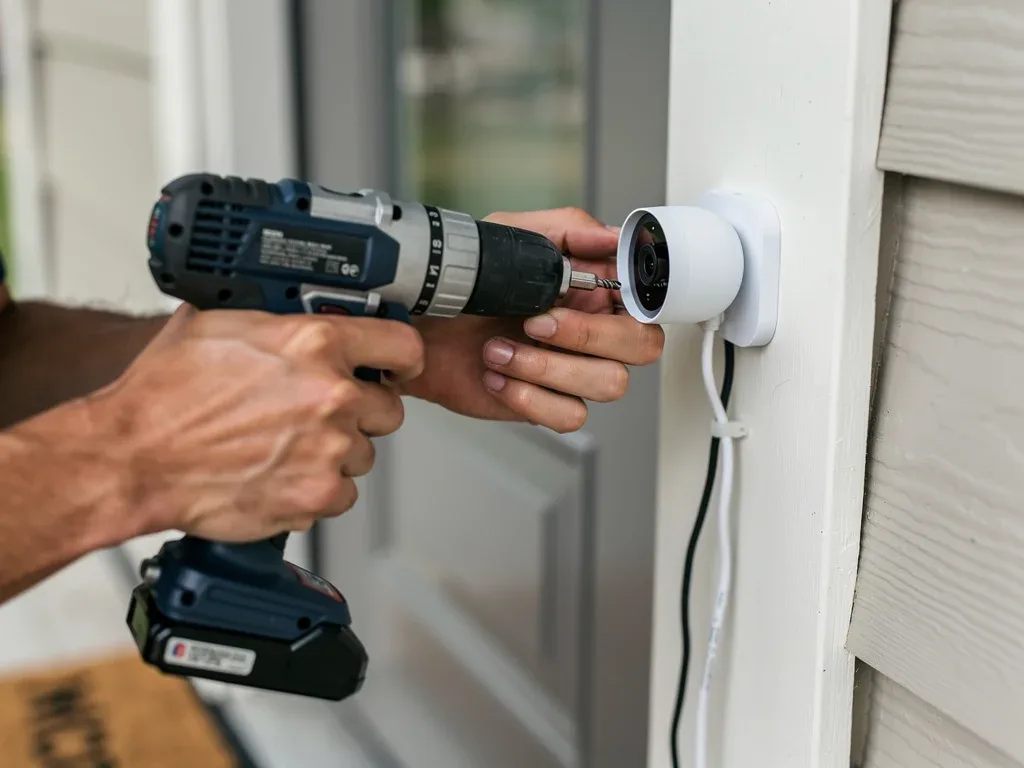
DIY systems are designed for simplicity, often featuring wireless components and step-by-step app-guided instructions. This approach saves on installation fees and allows homeowners to familiarize themselves intimately with their system’s components. However, it requires a certain level of technical aptitude and time commitment, and any errors during installation could potentially compromise the system’s security.
Advantages of DIY installation
- Cost savings: Eliminates professional installation fees, making the initial investment more affordable.
- Flexibility: Allows homeowners to customize component placement and expand the system at their own pace.
- Immediate gratification: Many systems can be set up and operational in a few hours, without waiting for an appointment.
- System familiarity: Users gain a deeper understanding of their system’s components and functionality through hands-on setup.
Conversely, professional installation offers peace of mind, ensuring that the system is set up correctly and optimally by experienced technicians. This service can be invaluable for larger homes, complex setups, or for those who prefer not to handle technical tasks. While it incurs additional costs, it often comes with warranties on the installation work and can save considerable time and effort.
Benefits of professional installation
- Expert setup: Technicians ensure optimal placement of sensors and cameras for maximum coverage and effectiveness.
- Time-saving: Eliminates the need for the homeowner to spend hours on installation, allowing for immediate use.
- Troubleshooting assistance: Professionals can identify and resolve potential issues during setup, preventing future problems.
- System optimization: Ensures all components are correctly integrated and communicating efficiently within the smart home ecosystem.
Ultimately, the decision rests on individual preferences and circumstances. DIY is empowering and budget-friendly for the tech-savvy, while professional installation offers convenience and assurance for those seeking a hands-off approach. Many companies now offer hybrid models, allowing for self-installation with optional professional assistance for specific components or troubleshooting.
In summary, both DIY and professional installation methods present valid pathways to securing a smart home. Evaluating your own comfort with technology, your available time, and your budget will guide you toward the most suitable installation approach for your chosen smart home security system in 2026.
Feature sets unpacked: what to expect from leading systems
Beyond installation, the core feature set of any smart home security system is what truly defines its value and effectiveness. For U.S. homeowners in 2026, leading systems are offering an increasingly sophisticated array of functionalities designed to provide comprehensive protection and seamless integration with daily life. Understanding these features is key to selecting a system that meets specific security needs and lifestyle demands.
Modern systems typically go beyond basic intrusion detection. They incorporate environmental monitoring, home automation capabilities, and advanced communication features. The synergy between these elements creates a truly intelligent security solution that responds to various threats and everyday scenarios. From high-definition cameras to smart locks, each component plays a vital role in the overall security posture.
Essential features to look for
- High-definition cameras: With night vision, wide-angle lenses, and two-way audio for clear visuals and communication.
- Motion sensors: Capable of differentiating between humans and pets to minimize false alarms.
- Door and window sensors: Wireless and discreet, providing immediate alerts upon unauthorized entry.
- Environmental sensors: Detecting smoke, carbon monoxide, and water leaks for broader home protection.
Many systems also integrate with other smart home devices, allowing for automated actions. For example, lights can turn on when motion is detected, or smart thermostats can adjust when the alarm is armed. This level of automation not only enhances security but also contributes to energy efficiency and convenience. Cloud storage for video footage, remote arming/disarming, and customizable alert settings are also standard offerings.
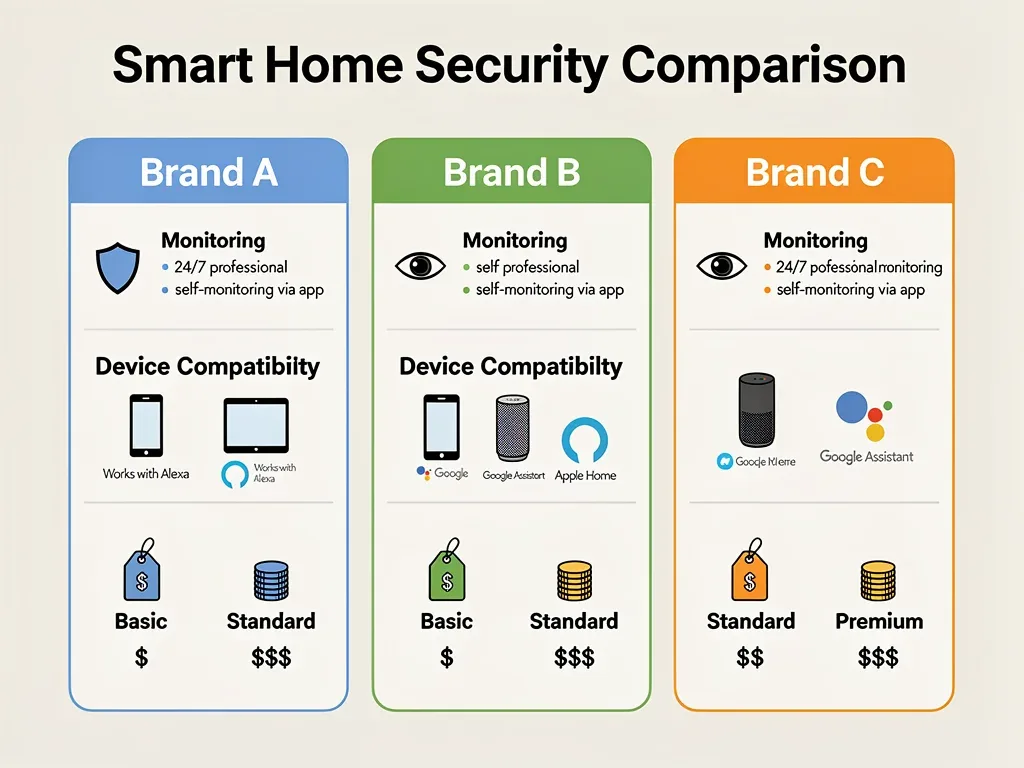
Professional monitoring services remain a cornerstone for many homeowners, providing 24/7 surveillance and emergency dispatch. While some prefer self-monitoring to avoid monthly fees, the reassurance of a dedicated team responding to alerts is a significant benefit. The best systems offer flexible monitoring plans, allowing users to choose the level of service that best suits their needs and budget.
In conclusion, the feature sets of leading smart home security systems in 2026 are robust and multifaceted. They are designed to offer more than just security; they provide comprehensive home management and peace of mind. Homeowners should meticulously review the available features, considering both immediate needs and future scalability, to select a system that truly protects and enhances their smart living environment.
Comparing three popular U.S. options for 2026
As we look at the choices available to U.S. homeowners in 2026, three smart home security systems consistently rise to the top for their blend of features, reliability, and user satisfaction. These systems, while sharing core functionalities, differentiate themselves in key areas like installation, ecosystem compatibility, and monitoring options. Understanding these distinctions is crucial for making an informed decision.
Each of these popular options offers a unique value proposition, catering to different homeowner priorities. Some excel in DIY simplicity, making them ideal for those who prefer a hands-on approach, while others offer more comprehensive professional services. The technology underpinning these systems also varies, influencing their responsiveness and integration capabilities within a wider smart home setup.
System A: The DIY champion with robust features
System A has carved a niche as the go-to for homeowners seeking a powerful, yet easy-to-install solution. Its wireless components snap into place, and the accompanying mobile app provides clear, step-by-step instructions that even novices can follow. The system boasts high-definition cameras with AI-powered person detection, ensuring fewer false alarms, and integrates seamlessly with popular voice assistants and a wide array of third-party smart devices. Its professional monitoring plan is optional but highly rated for rapid response times. The initial hardware cost is competitive, and monthly fees are transparent, offering excellent value for a feature-rich package.
System B: Professional-grade security with premium service
For those who prioritize professional installation and comprehensive service, System B stands out. While it offers a DIY option, its strength lies in its white-glove professional setup, ensuring optimal placement and configuration of all devices. This system features advanced perimeter protection, including ground sensors and reinforced door/window contacts, alongside sophisticated indoor cameras with privacy shutters. Its monitoring service is among the industry’s best, with dedicated agents and rapid emergency dispatch. System B often comes with a higher upfront cost due to professional installation and premium hardware, but its all-inclusive service plans justify the investment for many.
System C: The integrated ecosystem powerhouse
System C excels in its ability to integrate deeply within an existing smart home ecosystem, particularly for users already invested in a specific brand’s devices. Its installation is a hybrid model, allowing for easy self-setup of basic components while offering professional assistance for more complex integrations. The system’s strength lies in its unified app experience, controlling not only security but also lighting, climate, and entertainment. It features adaptive learning capabilities, adjusting to homeowner routines to enhance security and convenience. Monitoring options are flexible, from self-monitoring to various professional tiers. Its pricing structure is modular, allowing users to build a system tailored to their specific needs and expanding as desired.
In conclusion, these three popular smart home security systems offer distinct advantages for U.S. homeowners in 2026. Whether you lean towards DIY simplicity, professional assurance, or seamless ecosystem integration, there is a robust solution available to meet your security demands. Thoroughly evaluating each system’s strengths against your personal priorities will lead to the best choice for your home.
Evaluating long-term costs and subscription models
Beyond the initial purchase and installation, the long-term financial commitment to a smart home security system is a critical factor for U.S. homeowners. Subscription models and ongoing costs can vary significantly between providers, impacting the overall value proposition over time. Understanding these financial structures is essential for budgeting and ensuring that the chosen system remains affordable and effective in the years to come.
Most smart home security systems operate on a subscription model, which typically covers professional monitoring, cloud storage for video footage, access to advanced app features, and sometimes extended warranties. While self-monitoring options exist, many homeowners opt for professional services for the added peace of mind and rapid emergency response. These recurring fees represent a significant portion of the total cost of ownership.
Factors influencing long-term costs
- Monitoring plans: Monthly or annual fees for 24/7 professional monitoring, which can range from basic to premium tiers with additional services.
- Cloud storage: Costs associated with storing video recordings, often tiered by storage capacity or retention period.
- Hardware warranties and maintenance: Some subscriptions include extended warranties or discounted repairs/replacements for equipment.
- Feature upgrades: Access to new software features or integrations that may be locked behind higher-tier subscriptions.
Some systems offer contracts, locking users into a specific monthly fee for a set period, typically 1 to 3 years. While these contracts sometimes come with discounted hardware, they can limit flexibility. Other providers offer month-to-month plans, which, while potentially more expensive per month, allow users to cancel or adjust their services without penalty. The flexibility of the subscription model is a key consideration for many.
It is also important to consider potential hidden costs, such as fees for cellular backup (if your internet goes down), additional equipment purchases as you expand your system, or service calls not covered by a warranty. Reading the fine print of any subscription agreement is crucial to avoid unexpected expenses down the line. Many companies also offer discounts for annual payments, which can lead to significant savings over time.
In conclusion, evaluating the long-term costs and subscription models is as important as assessing the initial hardware and installation of a smart home security system. Homeowners in the U.S. should carefully compare the recurring fees, contract terms, and included services to ensure that their chosen system offers sustainable value and aligns with their financial planning for home security in 2026.
Integration and scalability: building a connected home
The true power of a smart home security system in 2026 extends beyond its standalone protective capabilities; it lies in its ability to integrate seamlessly with other smart devices and scale to meet evolving needs. For U.S. homeowners, this means choosing a system that acts as a central hub, allowing for a truly connected and intelligent living environment. The level of integration and scalability directly impacts convenience, efficiency, and future-proofing your investment.
A well-integrated security system can communicate with smart lights, thermostats, door locks, and even entertainment systems. This interoperability enables advanced automation routines, such as lights turning on when motion is detected, doors locking automatically when the alarm is armed, or the thermostat adjusting when the house is empty. Such synergies enhance both security and daily comfort, making the home truly responsive to its occupants.
Seamless integration benefits
- Automated routines: Create rules where security events trigger actions in other smart devices, like lights flashing during an alarm.
- Unified control: Manage all smart home devices, including security, from a single app or voice assistant interface.
- Enhanced convenience: Simplify daily tasks by linking security status to climate control, lighting, and access.
- Energy efficiency: Automate climate and lighting based on occupancy detected by security sensors.
Scalability refers to the ease with which you can add new components or expand your system’s coverage as your needs change. A good smart home security system should offer a wide range of compatible devices, from additional cameras and sensors to smart plugs and garage door openers. This flexibility ensures that your system can grow with your home, adapting to renovations, new family members, or changing security concerns without requiring a complete overhaul.
Interoperability standards like Matter and Thread are becoming increasingly important. Systems that support these standards are more likely to integrate with a broader range of devices from different manufacturers, preventing vendor lock-in and offering greater choice. Before committing to a system, it’s wise to research its compatibility with existing smart home devices and its commitment to open standards.
In conclusion, the integration and scalability of a smart home security system are paramount for U.S. homeowners looking to build a truly connected and future-proof home in 2026. A system that integrates well with other smart devices and offers easy expansion ensures maximum convenience, enhanced security, and a smarter living experience for years to come.
Making the right choice for your U.S. home in 2026
Choosing the ideal smart home security system for your U.S. home in 2026 involves a careful assessment of your specific needs, lifestyle, and budget. With numerous options on the market, each offering a unique blend of installation ease, feature sets, and pricing models, a thoughtful decision-making process is crucial to ensure long-term satisfaction and effective home protection. The right system should not only secure your property but also seamlessly integrate into your daily life.
Begin by evaluating your property’s unique security challenges. Do you need extensive outdoor surveillance, or is indoor monitoring your primary concern? Are you looking for basic intrusion detection, or do you require comprehensive environmental monitoring and advanced home automation? Your answers to these questions will help narrow down the field of suitable systems. Consider the size of your home, the number of entry points, and any specific vulnerabilities you wish to address.
Key decision-making factors
- Budget: Assess both upfront hardware costs and ongoing subscription fees for monitoring and cloud storage.
- Installation preference: Decide between a DIY setup for cost savings and flexibility, or professional installation for convenience and expert assurance.
- Feature requirements: List essential features such as camera quality, sensor types, and smart home integrations.
- Ecosystem compatibility: Ensure the system works well with any existing smart home devices you own or plan to acquire.
- Customer support and reputation: Research user reviews and the reliability of the provider’s customer service and emergency response.
Don’t overlook the importance of user experience. A system, no matter how advanced, is only effective if it’s easy to use and manage. Test out mobile apps, read reviews about interface design, and consider how intuitive the system is for all members of your household. The ability to quickly arm and disarm, view camera feeds, and respond to alerts without frustration is vital for daily peace of mind.
Finally, consider the future. Technology evolves rapidly, so look for systems that offer regular software updates, expandability, and compatibility with emerging smart home standards. Investing in a system that can adapt and grow with your needs will prevent the need for costly replacements down the line. A forward-thinking approach ensures your smart home security remains cutting-edge and effective for years to come.
In conclusion, selecting the best smart home security system for your U.S. home in 2026 is a personalized journey. By carefully weighing installation ease, comprehensive feature sets, long-term costs, and future scalability against your individual needs, you can confidently choose a system that provides robust protection and enhances your smart living experience.
| Key Aspect | Brief Description |
|---|---|
| Installation Ease | Varies from simple DIY kits with app-guided setup to comprehensive professional installations. |
| Feature Sets | Includes HD cameras, AI analytics, environmental sensors, smart locks, and home automation integration. |
| Long-Term Costs | Subscription models for monitoring, cloud storage, and advanced features are common. |
| Scalability & Integration | Systems offer compatibility with existing smart devices and expandability for future needs. |
Frequently asked questions about smart home security
What is the typical lifespan of a smart home security system?▼The typical lifespan of a smart home security system is usually between 5 to 10 years, depending on the quality of components and technological advancements. Sensors and cameras may need replacement sooner due to wear or compatibility issues, while central hubs often last longer. Regular software updates also extend the system’s relevance and security features.
Do smart home security systems work without Wi-Fi?▼Most smart home security systems require Wi-Fi for full functionality, especially for remote access and cloud features. However, many offer cellular backup as an alternative communication method if Wi-Fi is unavailable or compromised. This ensures continuous monitoring and emergency alerts, maintaining security even during internet outages. Check for this feature in your chosen system.
Are DIY smart home security systems as effective as professionally installed ones?▼DIY smart home security systems can be just as effective as professionally installed ones if set up correctly. Their effectiveness largely depends on the homeowner’s attention to detail during installation and understanding of component placement. Professional installation offers expertise and optimal setup, which can be advantageous for complex properties or those less technically inclined, but modern DIY kits are very robust.
What are the privacy concerns with smart home security cameras?▼Privacy concerns with smart home security cameras primarily revolve around data security, unauthorized access to feeds, and how collected data is stored and used. To mitigate risks, choose systems with strong encryption, two-factor authentication, and clear privacy policies. Placing cameras strategically away from private areas and using privacy shutters can also enhance peace of mind.
Can smart home security systems help save on home insurance?▼Yes, many insurance providers offer discounts on home insurance premiums for homes equipped with smart security systems, especially those with professional monitoring. These systems reduce the risk of theft and damage, making your home less costly to insure. It’s advisable to check with your insurance company to see what discounts are available and what specific system features qualify.
Conclusion
Navigating the diverse landscape of smart home security systems for U.S. homeowners in 2026 requires a discerning eye, balancing ease of installation with a robust suite of features and manageable long-term costs. The market offers compelling options, from user-friendly DIY setups to comprehensive professionally installed services, each designed to meet varying needs and preferences. By carefully considering factors such as specific security requirements, desired level of integration, and budget, homeowners can confidently select a system that not only safeguards their property but also enhances their smart living experience, ensuring peace of mind for years to come.